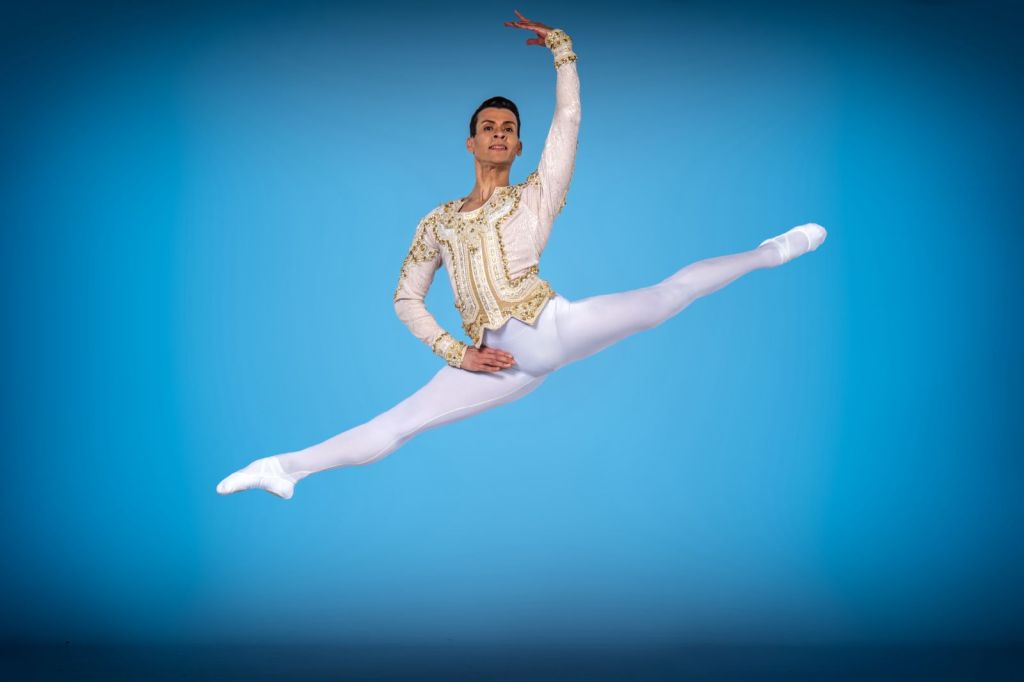
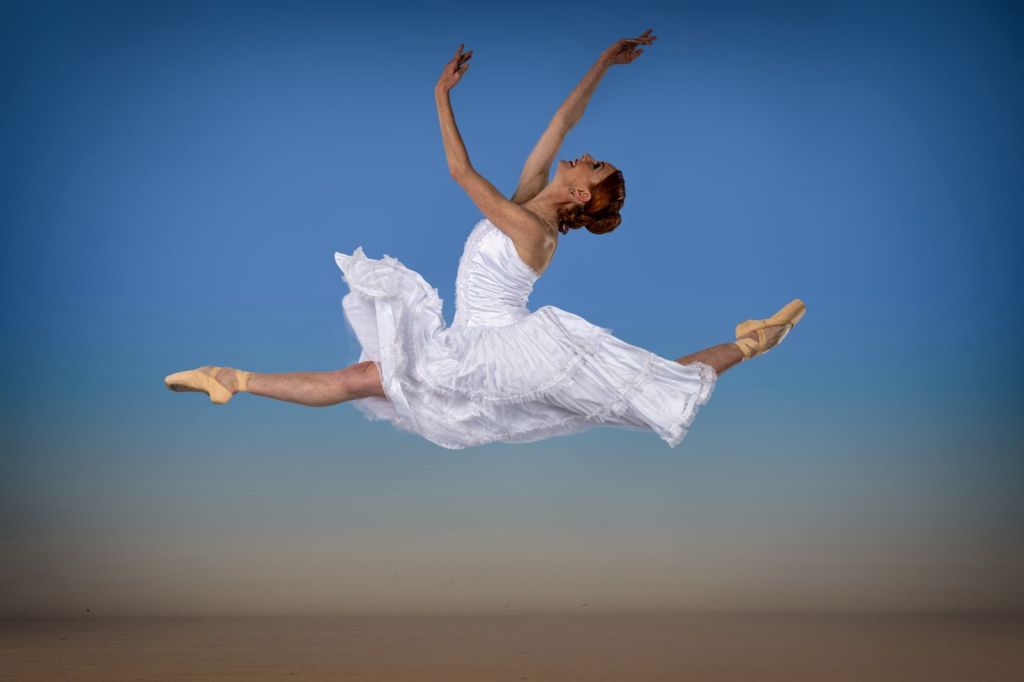
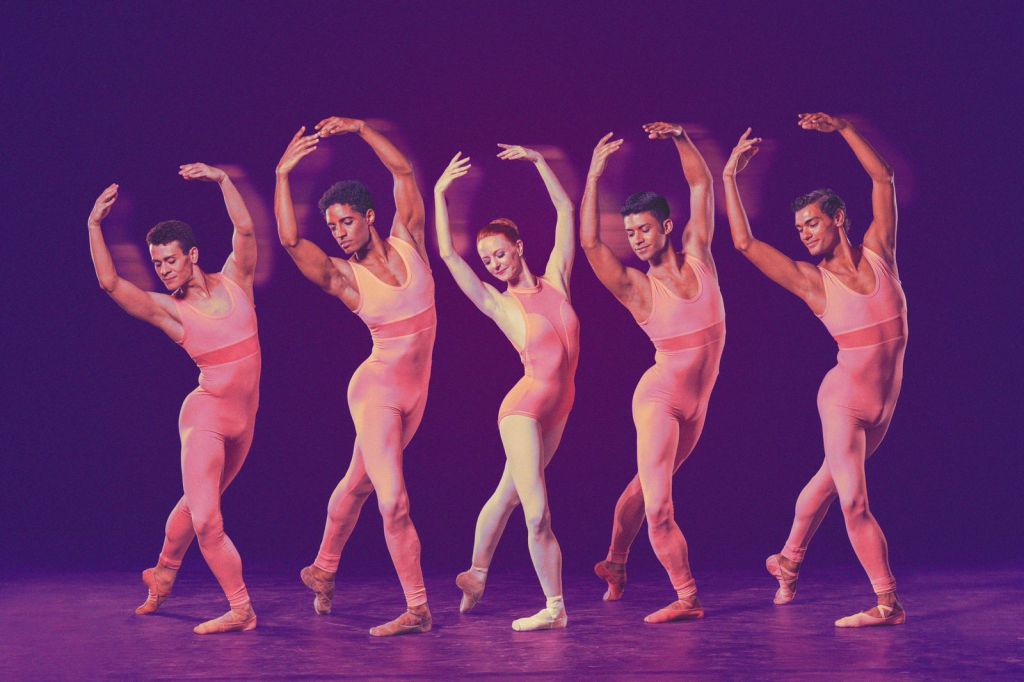
Carmen

Carmen — When Ballet Becomes Seduction, Violence and Pure Theatre

There are moments when you leave a theatre having watched a performance, and there are moments when you leave having been reminded why you fell in love with the art form in the first place.

My visit to the Joburg Theatre for the opening night of Carmen, presented by Joburg Ballet from 25 September to 3 October 2026, was one of those moments.

This is ballet with heat in its veins.

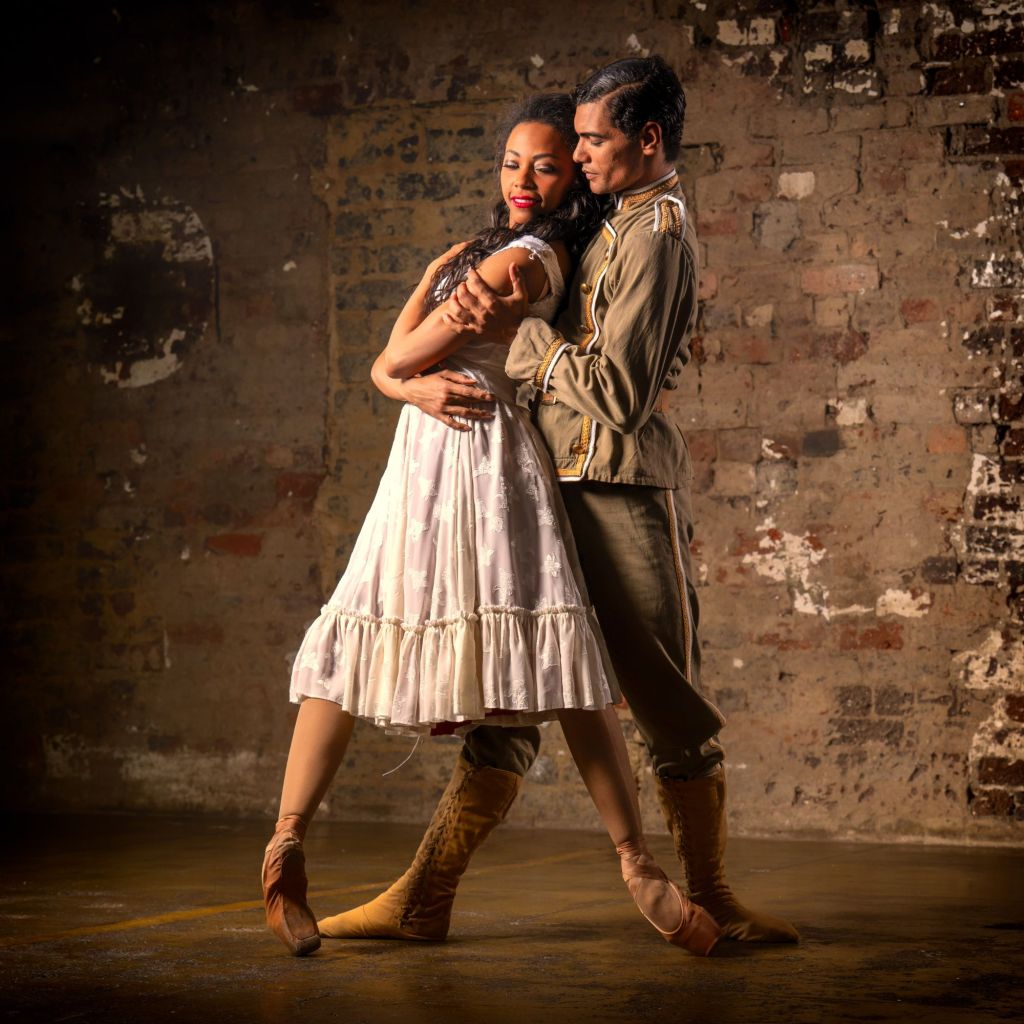
This is ballet that seduces, teases, fights, laughs, smokes, flirts, threatens and ultimately breaks your heart. It is beautiful without being polite about it. It is classical technique meeting human instinct. And at its centre is Carmen herself, brought magnificently to life by Brazil’s Monike Cristina.

Thank you, Brazil.

Because Monike Cristina is something else.

She is not simply dancing Carmen. She becomes Carmen.

Veronica Paeper’s Carmen is a production that understands something fundamental about ballet: the human body can communicate what words cannot. A tilt of the head can be an invitation. A smile can be a weapon. A port de bras can become seduction. A sudden change in Ă©paulement can expose jealousy, fear or desire. The choreography turns the vocabulary of ballet into the vocabulary of human behaviour.

And Monike Cristina understands every syllable.

She is the Goddess of Ballet.

There is an almost dangerous effortlessness to her performance. She moves through the stage with a smile, with musicality, with extraordinary control, and yet nothing about her feels mechanical. Her technique is immense, but technique never becomes the point. It is the foundation upon which personality is built.

Carmen is playful.

She is seductive.

She is alluring.

She is tempting.

She is mischievous.

She is dark.

She is violent.

She is vulgar.

She is unpredictable.

She is a femme fatale.

And Monike gives us every shade of her.

That is what makes her performance so intoxicating.

Seville Comes Alive

The story begins outside a cigarette factory in Seville, where the residents gather in the town square to watch the changing of the guard. Don JosĂ© arrives with the new guard under the command of Captain Zuniga, immediately establishing the military order that will eventually collide with Carmen’s wild, untameable spirit.

Then comes midday.

The cigarette girls emerge from the factory.

And among them is Carmen.

She sees Don José and, almost immediately, there is attraction.

But this is not a conventional romantic encounter. Carmen does not wait for love to find her. She hunts it. She plays with it. She tests it.

The cigarette girls are summoned back into the factory, while Micaela arrives carrying a gift from Don JosĂ©’s mother. She is his fiancĂ©e, gentle and sincere, but Don JosĂ© is distracted. Something has already shifted. Carmen has entered the picture, and suddenly the safe future represented by Micaela feels very far away.

Then violence erupts.

Carmen becomes involved in a fight and is arrested. Don José is ordered to guard her.

It should be simple.

It isn’t.

Carmen persuades him to release her, and in doing so Don José finds himself imprisoned instead.

The curtain falls.

And already the spell has been cast.

What Paeper understands so beautifully is that Carmen is not simply a story about a woman who destroys a man’s life. It is a story about desire colliding with control. Carmen refuses to belong to anyone. Don JosĂ© wants to possess what he cannot control. The tragedy begins long before the final confrontation.
Monike Cristina: The Art of Being Irresistible

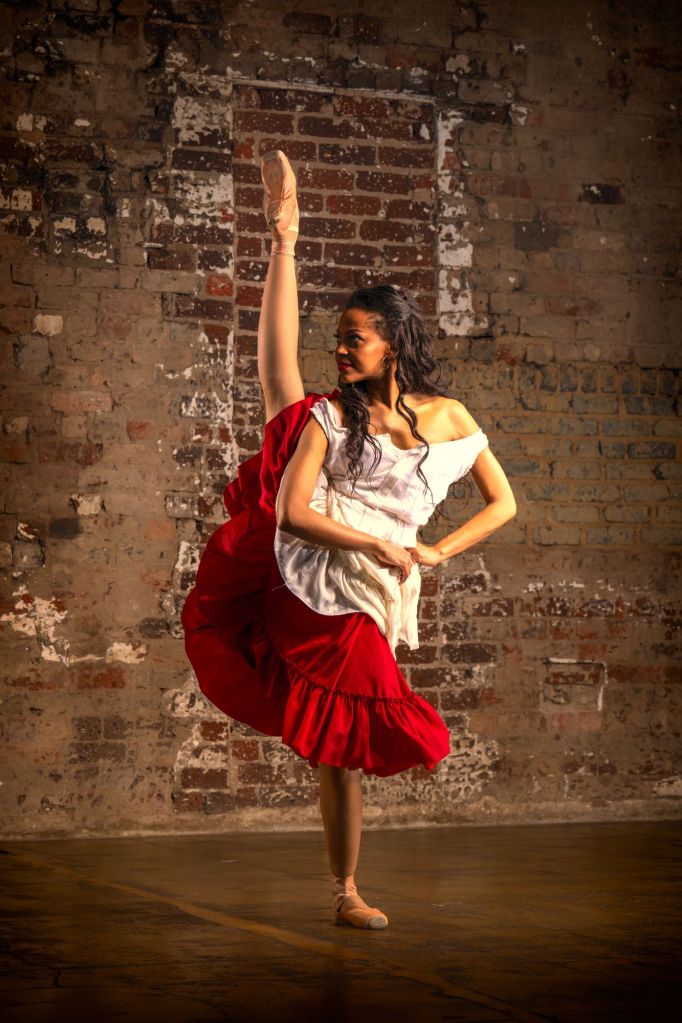
Watching Monike Cristina dance Carmen is almost unfair because she makes the extraordinary appear ordinary.

Her balances are exquisite. Her extensions are beautifully controlled. Her lines are magnificent. Her musicality is alive. Her transitions are fluid. Her épaulement carries character. Her use of the upper body gives Carmen a sensuality that goes beyond steps and positions.

And then there are the expressions.

Golden.

Perfect.

A smile appears and suddenly you understand Carmen.

A glance changes and suddenly the atmosphere shifts.

She can look playful in one instant and dangerous in the next.

That is the magic of an exceptional dramatic dancer: you don’t see the technique first. You see the person.

Monike makes Carmen feel completely alive.

There is a freedom in her movement that is almost intoxicating. Her body seems to understand the music before the music has finished speaking. Her phrasing is confident, her footwork precise, her balances assured, and her physicality allows the choreography to breathe.

There are moments when she performs feats that make you wonder how the human body is capable of doing what you have just witnessed.

And yet she smiles.

That is the extraordinary part.

Nothing looks laboured.

Nothing looks forced.

It simply happens.

Carmen walks into the room and owns it.

Monike walks onto the stage and does the same.

I am convinced there is nothing better in the world than watching Monike Cristina as Carmen.

She made me fall in love with ballet again.

Or perhaps she reminded me why I fell in love with it in the first place.
Act II — The Tavern of Lilas Pastia

A month has passed.

We move to the Tavern of Lilas Pastia, and the temperature rises.

Captain Zuniga has fallen under Carmen’s spell and dances with her. Then Escamillo, the famous Toreador, enters.

He too is immediately attracted to Carmen.

Of course he is.

How could he not be?

But Carmen’s heart and mind remain consumed by Don JosĂ©.

The smugglers arrive and Carmen becomes involved in their conspiracy. When Don José arrives, she attempts to seduce him, but a bugle call summons him back to duty.

And Carmen is furious.

This is where the central conflict becomes even more apparent. For Carmen, love means freedom, instinct and surrender to desire. For Don José, duty still pulls at him. Carmen taunts him for placing his obligations above his love for her.

Captain Zuniga returns and orders Don José back to the barracks.

But jealousy has already taken over.

When Zuniga attempts to take Carmen into his arms, Don José attacks his own officer and wounds him.

There is no going back.

Don José is now hopelessly compromised and has no choice but to join the smugglers.

This is where Monike’s Carmen becomes particularly fascinating. She is not simply the object of everyone’s desire. She is the force that exposes everyone else’s weakness.

Men enter her orbit and begin revealing themselves.

Zuniga reveals his desire.

Escamillo reveals his attraction.

Don José reveals his obsession.

Carmen simply remains Carmen.

And that is her power.

Ballet That Fights

One of the most visually striking moments of the production is the fight involving the cigarette girls.

It is beautiful.

That sentence sounds contradictory until you see it.

The dancers kick.

They drag.

They pull hair.

They clash.

They attack.

And somehow, through the discipline of ballet, violence becomes choreography.

It is a remarkable demonstration of control.

Every movement has to be precise. Every kick must land safely. Every pull must be performed with trust. Every fall must be choreographed. The dancers have to create the illusion of chaos while maintaining absolute technical awareness.

And they do.

This is where ballet becomes something more than pretty movement.

The girls are fighting, but the lines remain beautiful.

The bodies remain coordinated.

The choreography remains musical.

The technique remains immaculate.

It is violence with épaulement.

It is aggression with musical phrasing.

It is theatrical conflict transformed into dance.

And Veronica Paeper deserves enormous credit for understanding that ballet does not have to remain trapped inside a world of delicate gestures and romantic idealism.

Her Carmen can be raw.

It can be sensual.

It can be funny.

It can be ugly.

It can be dangerous.

It can be vulgar.

It can be sexy.

It can be violent.

And it remains ballet.

Cigarettes, Attitude and the Unexpected

There were moments in this production that made me think: I have never seen ballet do this before.

There is smoking on stage.

There are gestures and attitudes that feel deliberately contemporary and confrontational.

And at one point Carmen appears to flip somebody off.

In ballet.

I have never seen that in ballet. Period.

And I loved it.

Because it tells us exactly who Carmen is.

She is not interested in behaving according to somebody else’s expectations.

The gesture is funny, shocking and completely character-driven. It breaks the distance between the classical art form and the messy reality of human behaviour.

That is what makes Paeper’s choreography so exciting.

She doesn’t destroy ballet’s elegance.

She weaponises it.

The classical vocabulary remains visible, but it is placed inside a world of cigarette factories, taverns, smugglers, jealousy, desire, fighting, flirtation and death.

The result is a ballet that feels theatrical in the fullest sense of the word.

Act III — The Mountains and the Death Card

The third act moves into a cave in the mountains.

The relationship between Carmen and Don José is changing.

Carmen’s passion is fading.

Don JosĂ©’s is not.

He remains desperately in love with her.

Mercedes and Frasquita tell their futures through the cards, and Carmen turns one herself.

The death card.

It is one of the most powerful images in the entire story because the audience already knows that Carmen is moving towards something from which there may be no escape.

Then Escamillo arrives.

He invites Carmen and the others to the bullfight.

Don José, furious and jealous, challenges him.

The two men fight.

The smugglers separate them, and Escamillo leaves.

Then Micaela is discovered in the cave.

She brings news that changes everything: Don JosĂ©’s mother is dying.

Reluctantly, he leaves with her.

But Carmen remains.

And the cards have already spoken.
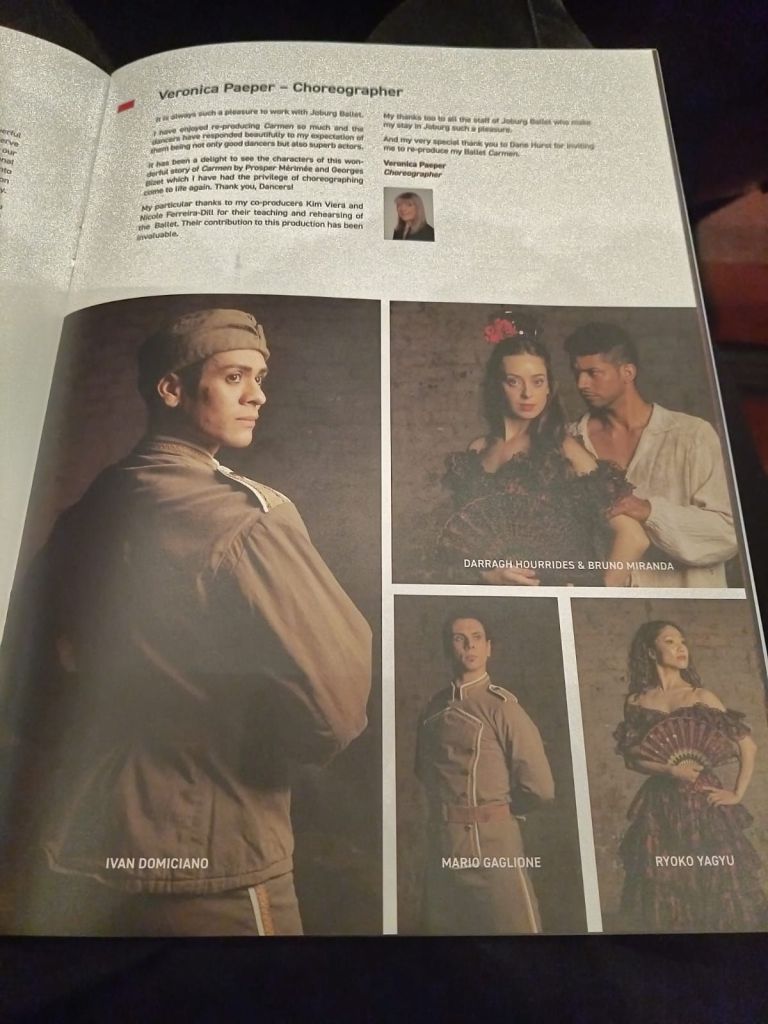
The Ensemble: Because Carmen Is Not a One-Woman Show

It would be easy to allow Monike Cristina’s performance to dominate the conversation.

But that would be unfair to the production.

Carmen works because the entire company creates its world.

Revil Yon as Don José brings the necessary emotional vulnerability to the central male character. His Don José is caught between duty and desire, between the life he is supposed to live and the woman who has completely destabilised it.

Bruno Miranda’s Escamillo arrives with the swagger and physical confidence of the Toreador. He is a different kind of masculine presence from Don JosĂ©: confident, celebrated and immediately magnetic.

Chloe Blair’s Micaela provides a beautiful contrast to Carmen. Where Carmen is fire, Micaela carries warmth and sincerity. Her presence gives Don JosĂ© another possible life, one rooted in loyalty and tenderness.

Ivan Domiciano’s Captain Zuniga carries the authority of the military world while becoming another victim of Carmen’s irresistible magnetism.

Latoya Mokoena as Pasquita and Darragh Hourrides as Mercedes contribute to the vibrant female ensemble, while Sue Kirkland’s Madame of the Factory helps establish the social world surrounding the cigarette girls.

Albertus Dreyer as Lilas Pastia, Creagan Martin as the Pickpocket, Mothobisi Molopa as the Captain of the Guard, Brayden Stackling as the Fiesta Man, and Miles Carrott as the Chief Smuggler all contribute to the theatrical machinery of the production.

This is an ensemble piece.

Every dancer adds texture.

Every entrance contributes to the atmosphere.

Every body on stage helps construct Seville.

That is the magic of a ballet company working as one organism.

Act IV — The Bullring

Then comes the final act.

Outside the bullring, the spectators gather for the arrival of the Toreadors.

The atmosphere is festive.

But beneath the celebration sits tragedy.

Don José is in the crowd.

The procession enters.

And Carmen and Don José confront one another for the final time.

Everything has led here.

The attraction.

The seduction.

The jealousy.

The fighting.

The betrayal.

The cards.

The obsession.

The freedom.

The refusal to possess and be possessed.

And finally, the confrontation.

Carmen has always understood that passion can be both intoxicating and destructive. Paeper’s production allows that contradiction to live inside the movement.

The same woman who can make an audience smile can also make an audience uncomfortable.

The same choreography that can look exquisite can suddenly become brutal.

The same body that can float through a beautiful adagio can become a weapon.

That is Carmen.

Veronica Paeper’s Genius

Veronica Paeper’s choreography and production are the beating heart of this interpretation.

There is a confidence in the way she moves between classical ballet, character dance, theatrical gesture and flamenco influence.

The choreography never feels like ballet pasted onto a story.

It feels like the story has been translated into ballet.

That distinction matters.

The flamenco choreography by Gillian Bonegio adds another layer of Spanish character and rhythmic energy, giving the production a vocabulary beyond the purely classical.

The music of Georges Bizet remains the emotional architecture of the ballet. It is dramatic, seductive, playful and ominous, allowing the dancers to inhabit a score that seems almost designed for movement.

The scenery and costumes after the originals by Peter Cazalet create the visual identity of the world, while Vanessa Nicolau’s adaptation helps shape the theatrical journey.

Simon King’s lighting design deserves recognition too. Lighting in ballet is not decoration. It is atmosphere, focus and storytelling. It tells us where to look, when to feel tension and when the stage itself should seem to transform.

Together, these elements create a world that feels larger than the stage.

Seville becomes a character.

The factory becomes a character.

The tavern becomes a character.

The mountains become a character.

The bullring becomes the final arena in which Carmen’s fate is sealed.

Joburg Ballet at Its Best

I am a big fan of Joburg Ballet.

And productions like this remind me why.

There is something extraordinary about watching a South African company take a canonical work and make it feel alive here, in Johannesburg, in 2026.

This is not a museum piece.

It is not ballet preserved behind glass.

It is living theatre.

It is classical technique meeting contemporary theatrical instinct.

It is dancers who understand that a perfectly executed movement is only half the job. The other half is making the audience feel something.

And I felt everything.

The excitement.

The humour.

The seduction.

The violence.

The jealousy.

The beauty.

The danger.

The heartbreak.

And, above all, the sheer joy of watching dancers perform at an exceptional level.

Thank You, Brazil

But I have to return to Monike Cristina.

Because sometimes an artist arrives on stage and changes your perception of the entire performance.

That is what she did.

She is beautiful, but beauty alone is not enough.

She is technically brilliant, but technique alone is not enough.

She is expressive, but expression alone is not enough.

She has the rare combination of technique, musicality, theatrical intelligence, charisma, physical confidence and emotional instinct that makes a dancer unforgettable.

She does not merely execute choreography.

She inhabits it.

She does not merely perform Carmen.

She breathes Carmen.

And somehow she makes impossible feats look effortless.

There is something irresistible about her.

You watch her and you understand why everyone in the story falls for Carmen.

Of course they do.

Look at her.

Watch her.

Listen to the movement.

Watch the smile.

Watch the eyes.

Watch the way she turns.

Watch the way she uses her shoulders, her torso, her hands, her head.

Watch the confidence.

Watch the danger underneath the beauty.

Monike Cristina is Carmen.

And Carmen is Monike Cristina.

A Ballet Worth Falling In Love With

Carmen is everything I want ballet to be.

It is technically extraordinary, visually sumptuous, emotionally charged and dramatically fearless.

It has beautiful lines and impossible feats.

It has exquisite choreography and explosive character.

It has grace and vulgarity.

It has romance and violence.

It has humour and tragedy.

It has the discipline of classical ballet and the untamed spirit of Carmen herself.

And that is perhaps the greatest achievement of Veronica Paeper’s production: she understands that ballet does not have to choose between beauty and brutality.

It can be both.

It can kick, pull hair and drag someone across the stage and still look beautiful.

It can smoke a cigarette.

It can flirt.

It can seduce.

It can give somebody the finger.

It can fall madly in love.

It can become consumed by jealousy.

It can die.

And it can do all of this through the language of dance.

That is theatre.

That is ballet.

That is Carmen.

And that is Joburg Ballet.

From Monike Cristina’s intoxicating Carmen to Revil Yon’s Don JosĂ©, Bruno Miranda’s Escamillo and Chloe Blair’s Micaela, from the ensemble to the designers, choreographers, musicians and production team, this is a company operating with remarkable commitment and precision.

Veronica Paeper has created something magnificent.

Monike Cristina has created something unforgettable.

And Joburg Ballet has once again reminded me why I am such a fan.

Carmen is at the Joburg Theatre from 25 September to 3 October 2026.

You can’t miss this.

Thank you, Joburg Ballet.

Thank you, Veronica Paeper.

And above all—

Thank you, Brazil, for Monike Cristina.

The Goddess of Ballet has arrived.

And she is Carmen.

📸 : Lauge Sorensen

An Ode to Motown

An Ode to Motown 

There is something quietly thrilling about seeing performers outside the frame that first introduced them to you. It disrupts familiarity. It redraws the boundaries of expectation. Sitting inside the theatre for the final dress rehearsal of An Ode to Motown, that disruption came early — and it came powerfully.

Lerato Mvelase was the first revelation. Known to many through the language of television — where her craft is contained within the borders of a camera lens — she arrived on stage as something altogether different. A vocalist. A narrator. A commanding presence. Her performance didn’t merely interpret the material; it carried it. She threaded the history of Motown through her voice with conviction and personality, revealing vocal depth and range that transformed surprise into admiration. On stage she expanded — larger, freer, and more electric — embodying the kind of theatrical vitality that only live performance can hold.

Opposite her stood Liesl Penniken, whose presence was striking before a single note landed. Beauty alone rarely sustains attention, but presence does — and hers commanded it. Watching her live felt immersive, as though the distance between performer and audience dissolved. Yet what defined the stage was not a singular spotlight but collective radiance: Tamara Dey, Hlengiwe Pearl, Anele Precious Mthethwa — artists whose elegance, charisma, and technical command recreated Motown’s romantic canon with confidence and swagger.

Their selections leaned into the emotional architecture that built the label’s legacy — love songs, yearning songs, songs of devotion and desire. Classics associated with Marvin Gaye and the Jackson 5 floated through the auditorium with warmth and familiarity. When “Lovin’ You” appeared — its softness and melodic intimacy filling the space — it reminded everyone present that the emotional centre of Motown has always been affection: romantic, communal, and nostalgic. These are songs designed to reconnect people with memory, and the audience responded instinctively, singing along without hesitation.

Seeing Tamara Dey return to the stage carried its own resonance — a reminder of artistic longevity and reinvention. Meanwhile, Hlengiwe Pearl and Anele Precious Mthethwa radiated vitality, balancing vocal strength with visual poise, demonstrating the precision and confidence that anchor ensemble work of this nature.

If the first act glowed with elegance and romance, the second shifted its gravitational centre. The entrance of the male performers altered the energy immediately — grounding the sound with bass, momentum, and physical dynamism. Familiar faces, possibly members of iComplete, stepped forward in tailored black attire that signalled cohesion and intent. Their presence sharpened the show’s rhythm, adding contrast and propulsion that elevated the production into full theatrical stride. It was here that the performance felt as though it truly lifted off — voices interlocking, choreography tightening, the atmosphere thickening with collective electricity.

Beyond the performers themselves, the production design deserves equal recognition. Sequined costumes, sculpted wigs, and textured styling evoked the visual mythology of Motown without slipping into imitation. The aesthetic achieved suggestion rather than replication — conjuring an aura rather than recreating a museum piece. It allowed nostalgia to exist not as reenactment, but as living memory.

That nostalgia became the emotional undercurrent of the evening. The theatre transformed into a communal archive of sound, where audience members sang freely, recollected openly, and shared in musical remembrance. Motown’s catalogue transcends generational boundaries; it is social glue disguised as melody. The rehearsal space, even in its unfinished state, vibrated with this shared participation.

One of the production’s most intriguing gestures arrived through its intellectual layering — weaving philosophical and historical fragments into the musical journey. References touching on Nietzsche and the inclusion of Martin Luther King Jr.’s voice expanded the narrative scope beyond entertainment, situating Motown within broader conversations about identity, struggle, joy, and human aspiration. These insertions reminded viewers that the music emerged from a particular historical consciousness — one shaped by resistance, imagination, and collective hope.

Anchoring the entire production was the live band — exceptional in both sensitivity and precision. Their musicianship ensured that the show never drifted into pastiche. They did not merely accompany; they animated, guided, and textured every transition. Live instrumentation granted the music immediacy, breathing elasticity and emotional responsiveness into songs that have lived decades beyond their origins.

What ultimately lingers after witnessing An Ode to Motown is not a singular performance moment but a composite feeling. The show operates as tribute, celebration, and emotional time capsule simultaneously. It honours the past while energising the present. It invites memory while delivering immediacy. And above all, it affirms that Motown’s spirit — its romance, its confidence, its communal joy — remains timeless.

This production does not simply revisit the music.
It reminds audiences why it never left them.

Choreography: Lulu Mlangeni

Musical direction: Margaret Motsage

Live band

Mpho Kodisang – Piano

Earl Joseph Baartman – Bass

Urbano Bay Nobela – Guitar

Tshepa Diale

Congratulations James Ngcobo and the whole team for a great show and a deserved standing ovation.

📸 : SamSays 

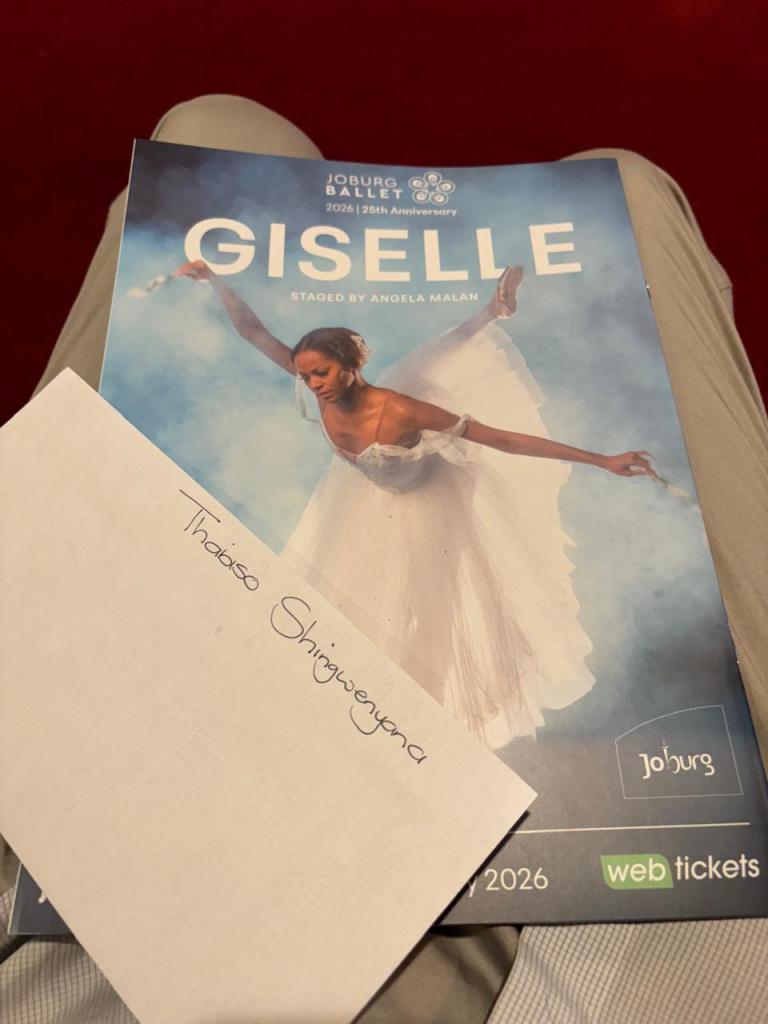
Giselle

Giselle 

At the Joburg Theatre for the opening of Giselle. Angela Malan curated a masterpiece! I was thoroughly enthralled, the second act was mezmarrizing, Ryoko Yagyu was jumping on her toes, sticked the landing perfect, an impossible task she made look so easy and effortless. She takes my breath away. Monike Cristina is also there. All the dancers were unbelievable! So amazing. We also had a show at Interval, outside the auditorium, getting a drink, chilling, anticipating the final run. It was beautiful, in hindsight the costumes made sense. It was all there. 

Happy 25th Birthday, Joburg Ballet! 

There are evenings in the theatre when admiration quietly turns into awe — when what unfolds on stage transcends performance and becomes something close to revelation. Experiencing Giselle at the Joburg Theatre was one of those evenings. This cornerstone of Romantic ballet did not merely present technical excellence; it demonstrated the extraordinary capacity of the human body to transform into poetry, illusion, and emotional truth. Through its storytelling, staging, costuming, music, and — above all — the breathtaking commitment of its dancers, the production revealed why Giselle endures as one of ballet’s most cherished works.

Giselle tells a story of love, deception, heartbreak, and ultimately forgiveness — all conveyed through movement rather than spoken dialogue. The narrative unfolds across two acts that feel almost like different universes.

The first act introduces Giselle as a young village girl whose joy lies in dancing, despite a delicate heart. The setting is pastoral and sunlit — a community space where rustic celebration and youthful flirtation shape the choreography. Here, the ballet language is buoyant and playful. The movement vocabulary leans into petit allegro — quick, intricate footwork — and the sensation of ballon, that fleeting suspension where dancers seem to hang weightlessly in the air during jumps. 

Through these qualities, Giselle’s innocence and vitality are expressed physically rather than verbally.

Her romance with Albrecht appears idyllic until the revelation that he is a nobleman disguised as a villager. The emotional rupture leads to the ballet’s famed mad scene, where classical structure dissolves into fractured gesture. Steps lose coherence, phrasing becomes unstable, and the choreography mirrors psychological collapse. This culminates in her death, closing the act in tragedy.

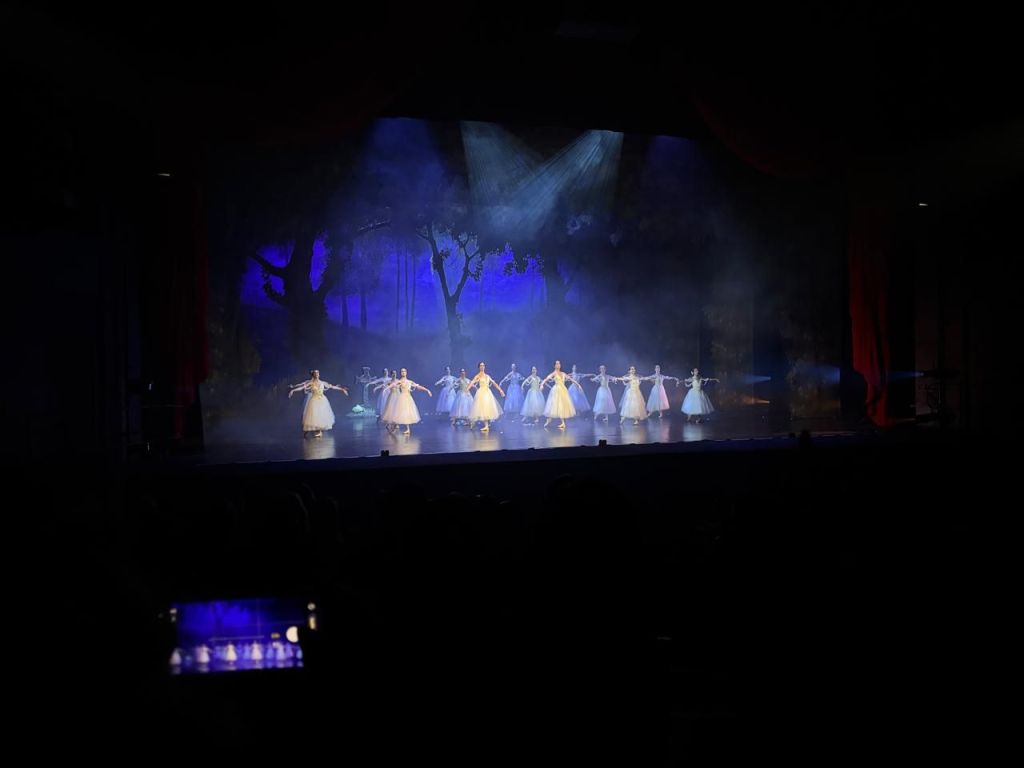
The second act shifts dramatically in tone and aesthetic. The warmth of village life gives way to a spectral forest inhabited by the Wilis — spirits of women betrayed before marriage. Their world is governed by eerie unity and relentless purpose: any man who enters must dance until death. 

Giselle, now one of them, retains compassion and protects Albrecht when he arrives. Their duet unfolds as a dance of redemption — sustained, lyrical, and transcendent — lasting until dawn releases him and she returns to the realm of spirits. 

For many viewers, this act stands as the emotional and visual pinnacle of the ballet. Its atmosphere is haunting yet exquisite — an embodiment of Romantic ballet’s fascination with the supernatural. 

It is not an exaggeration to call it among the most sublime theatrical experiences imaginable. The unity of the corps de ballet, the stillness of the night setting, and the spiritual quality of movement create an almost hypnotic state. It is here that ballet moves beyond narrative and enters something sacred.

The production design reinforces these contrasts. Act I’s sets evoke rustic realism — cottages, earth tones, and a grounded sense of place that situates the audience in tangible human experience. Act II transforms the stage into a dreamscape. Moonlit forests, gauzy depth, and cool-toned lighting dissolve physical boundaries and evoke an intangible world where gravity itself feels suspended.

Costumes play a vital role in shaping this illusion. Peasant garments anchor Act I in reality, while the second act introduces flowing white Romantic tutus — long layers of tulle that blur movement and elongate line. Combined with pale lighting, these costumes make the Wilis appear almost immaterial, gliding rather than stepping. Pointe shoes, extensions of the dancers’ bodies, allow them to rise en pointe, redistributing weight onto the tips of their toes and creating the visual magic of floating motion.

The performance of Ryoko Yagyu in the role of Giselle captured the essence of this illusion. Her physical commitment embodied the discipline behind the beauty. Moments of elevation — rising onto pointe with delicate control — conveyed lightness that seemed to defy anatomy. She appeared to skip and travel on her toes, supporting her entire body on one leg while the other extended cleanly upward at ninety degrees, likely a sustained développé or poised line reminiscent of an arabesque. Witnessing this balance firsthand challenges perception: what appears impossible becomes visibly achievable.

Across the stage, the technical arsenal of ballet unfolded in vivid detail. Pirouettes and chaîné turns carved circular momentum into space. Expansive grand allegro leaps stretched across the floor with amplitude and lift. Extensions opened into splits that emphasized line and flexibility. Yet what lingered was not virtuosity alone, but the seamless masking of effort. Classical ballet strives for the effacement of labor — the principle that difficulty must vanish beneath grace. The dancers’ poise, strength, finesse, and unwavering dedication transformed technique into pure sensation.

The music, composed by Adolphe Adam, binds all elements together. Its melodic warmth in Act I supports rhythmic vitality and pastoral charm, while the second act introduces sustained, atmospheric textures that cradle the choreography’s adagio flow. The score breathes with the dancers, guiding phrasing and emotional tone so completely that movement and sound seem inseparable.

Emotionally, the audience journey is layered. Initial admiration arises from witnessing technical mastery — the sheer athleticism of bodies sustaining elevation, balance, and precision. This admiration deepens into wonder as physical boundaries appear suspended. Ultimately, empathy takes hold through narrative — Giselle’s vulnerability, the Wilis’ haunting presence, and the closing act of forgiveness that leaves a reflective stillness long after the curtain falls.

To witness Giselle performed with such commitment is to be reminded why ballet holds its place in the performing arts canon. It is not simply about steps or spectacle. It is about transformation — of movement into story, of discipline into beauty, and of impossibility into lived reality before an audience’s eyes.

This production did justice not only to the legacy of the ballet itself but to the performers who embodied it. Their poise, strength, technique, and skill were nothing short of extraordinary. And in that moonlit second act — luminous, weightless, unforgettable — the art form revealed its highest potential. It was not merely beautiful. It was among the greatest theatrical moments imaginable.

The Cast 

Giselle – Ryoko Yagyu

Albrecht – Ivan Domiciano 

Hilarion, a forester – Mario Gaglione 

The Duke of Courland – Nigel Hannah

Bathilde, his daughter – Monike Cristina 

Wilfred, Albrecht’s Squire – Revil Yon

Berthe, Giselle’s mother – Anya Carstens

Peasant Pas de Quartre – Chloe Blair, Savannah Jacobson, Miles Carrott, Bruno Miranda 

Myrthe, Queen of the Wills – Tammy Higgins 

Moyna, attendant to Myrthe Cristina Nakos

Zulma, attendant to Myrthe – Gabriella Chiaroni

Peasants, Couriers, Wilis – Artists of Joburg Ballet

Congratulations Angela Malan and the whole team for a great show and a deserved standing ovation.

📸: SamSays 

Pinocchio

Pinocchio

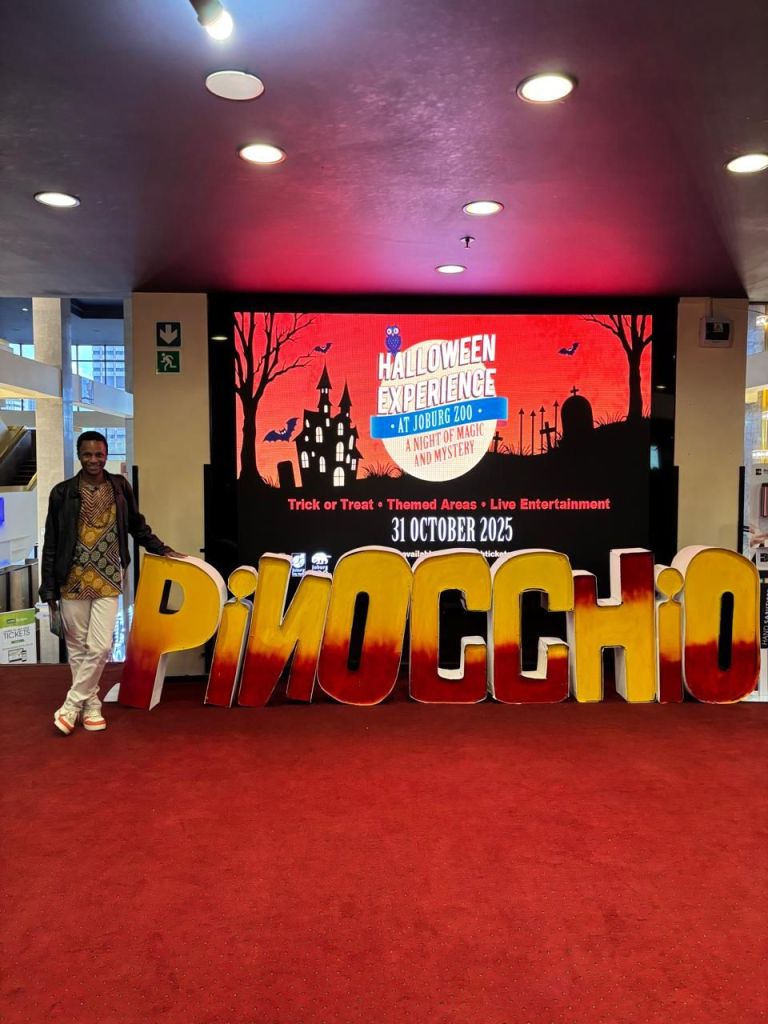
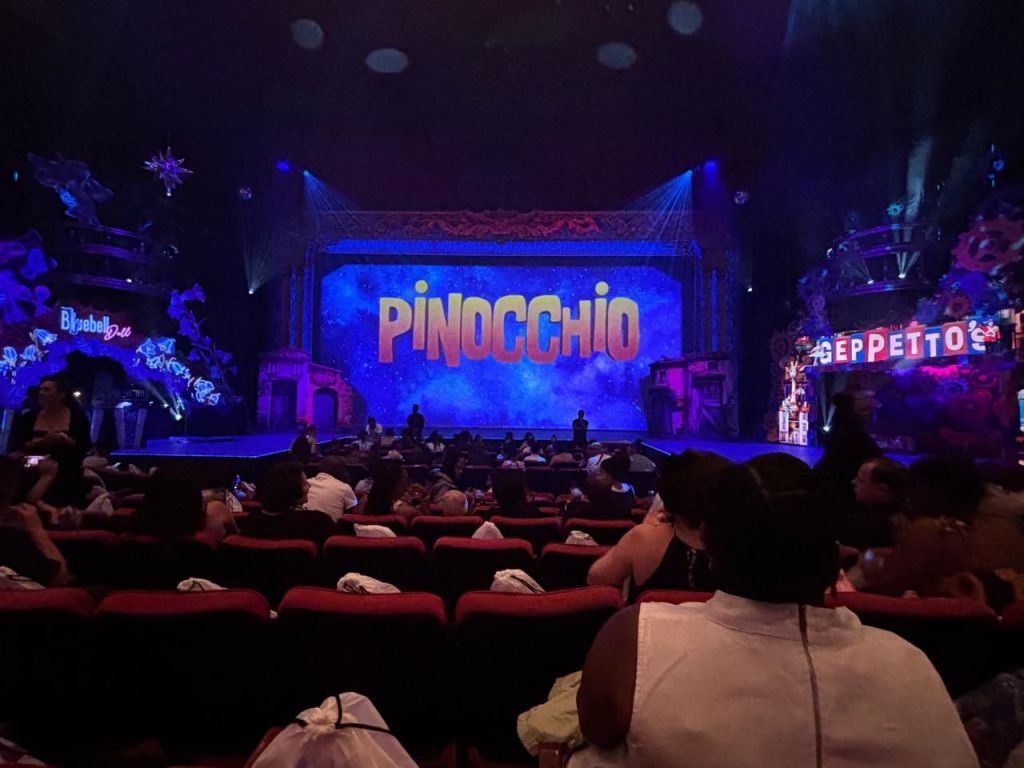
At Joburg Theatre for the opening of Janice Honeyman’s Pinocchio. So much excitement – we got goodie bags filled with sweets and snacks! Pinocchio is one of my favorite fairytale’s of all time. I love the character of Jiminy Cricket, Pinocchio’s conscience. We all need a moral campass to help us get through life.

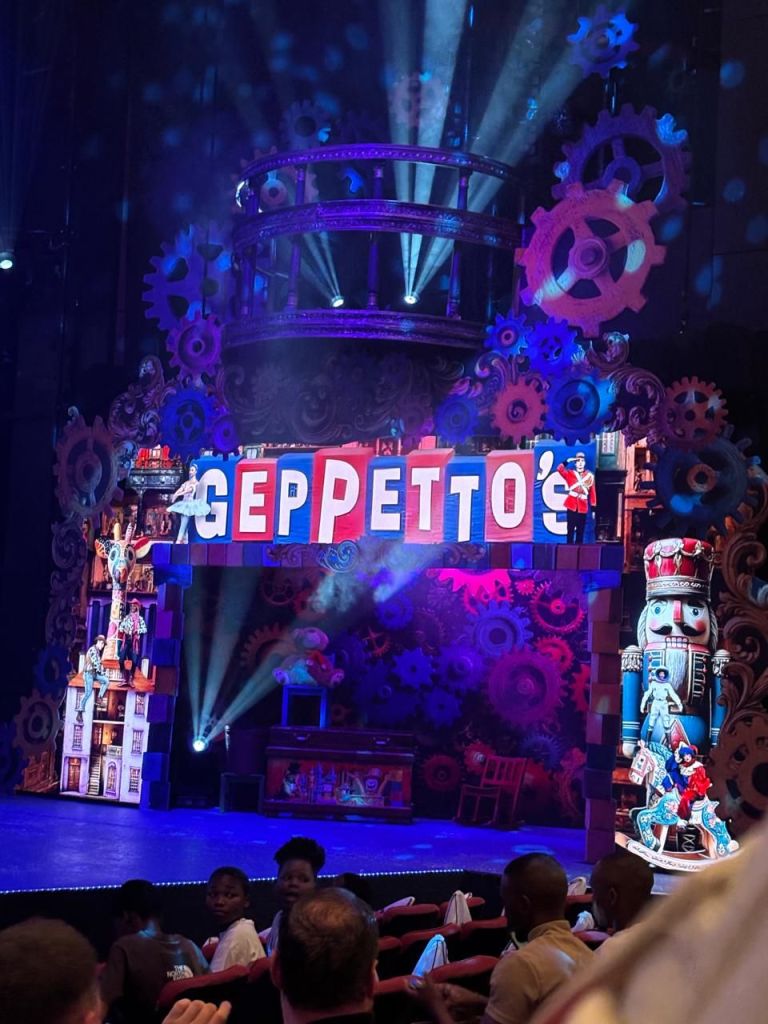
The show doesn’t disappoint, colorful costumes and vibrant sets. Energetic, South African, interactive and beaming with life. Laduma! Madame Pussy Galore (The Fat Cat) and Madame Ill Fortunato (The Fox) are so humorous. They might have stolen the show, so effective as a comedic duo. A lot of comedic moments, I loved the puns and dramatic irony, breaking the fouth wall at times. Pest control was needed for Jiminy Cricket, he was doomed!

Pinocchio is the journey of a wooden puppet who magically comes to life and dreams of becoming a real boy. Katlego Nche plays Pinocchio, he is wonderful and he transforms into a real boy. Bongi Archi is a relatable father figure for Pinocchio. He can speak African languages, in fact, every character drifted off to their home languages once in a while, to convey a point or deliver comedic punchline. The show is filled with a lot of those, this is not just a kiddies show. There was also pop culture references and jokes for grown-ups. Singalong’s are a given and the audience participated and danced along. Laduma! CR7! SUII! Lesedi Rich is boundless energy as Lampwick Rich!

The sets colorful, larger than life, neon lights, full of imagination! Two acts with an interval, the whole journey is so much fun!

The actors
Katlego Nche – Pinocchio
Gina Shmukler – Bella Bouboulina
Sandi Dlangalala – Jiminy Cricket
Bongi Archi – Geppetto Spoletto
Lesedi Rich – Lampwick Spaghetti
Tiaan Rautenbach – Dame Arletti Spaghetti
Brenda Radloff – Madame Ill’ Fortunato (Fox)
Camilla Waldman – Madame Pussy Galore (Cat)
Mark Richardson – Senor Napolio Strombolio
Luciano Zuppa – Luciano Panzarotti
Noluthando Mathebula – Dainty Dolly

Costume Designer: Mariska Meyer

Set Designer and Builder: Enos Ramoroko

Lighting Designer: Johan Ferreira

Congratulations Janice Honeyman and the whole team for a great show and a deserved standing ovation.

📸: SamSays

First Light

First Light

At Joburg Theatre for the Final Dress Rehearsal of “First Light”. A ballet production by Joburg Ballet, an outstanding show. I fell in love with Ryoko Yagyu, the dedication, precision and finesse is incredible, so beautiful. Theres classical ballet, contemporary and African. Five acts: Raymonda Act 3, Mpho, Nothing Twice, Concerto for Charlie and Classics of Spain. Raymonda Act 3 is the classical ballet, cheographed by Maruis Petipa, music by Alexander Glazunov, spinning on toes, leaps and jumps – classical music in background. High class, aristocracy, upper class and regal, stage is lit brightly, you can see everything, Ryoko Yagyu is amazing, she moves like a swan, pillars at the back and on sides, set in medieval Hungary.

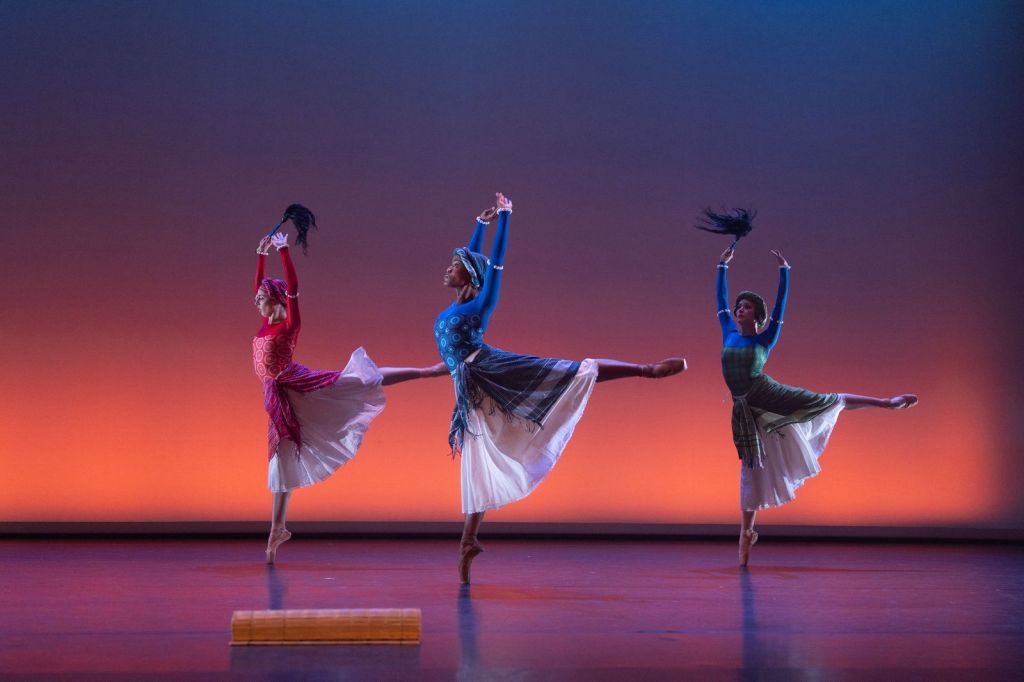
Mpho Contemporary African dance, Tswana, choreography Tumelo Lekana, music by Peter Mpho Mothiba. Unique instruments, drums, African attire. Ulations, praises in the back, whistles and drums the sound, traditional, graceful movement, 3 female dancers standing and spinning on toes. 90 degree spins, so graceful, so beautiful.

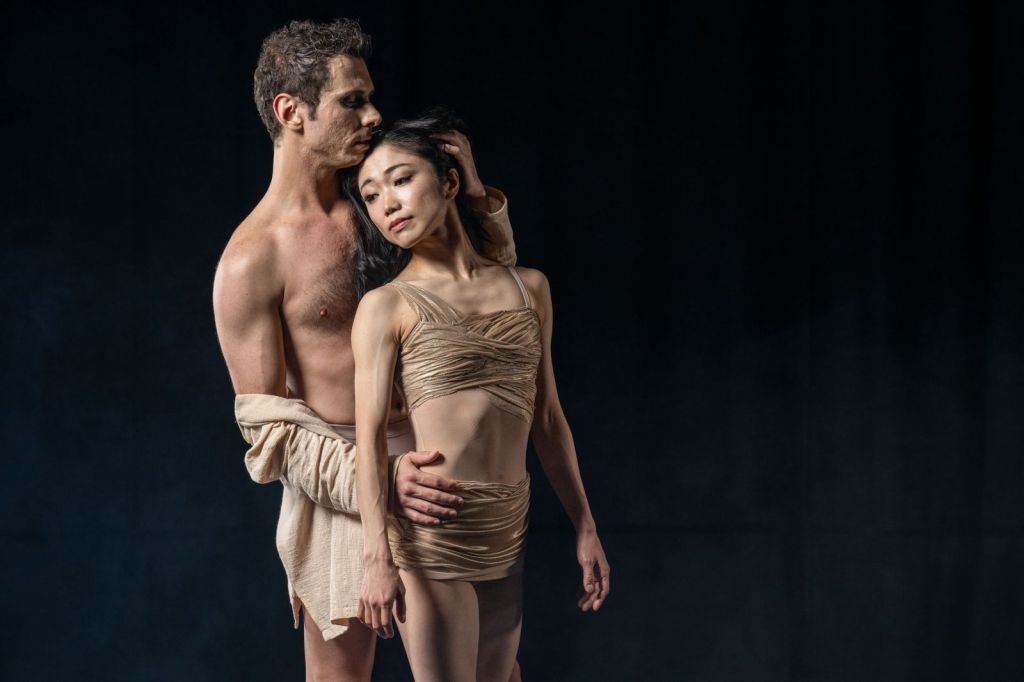
3rd dance is dark and edgy, nothing twice, choreographed by Chloe Blair, heavy strings, dark atmosphere with only the spotlight light illuminated from the left, perfect choreography from other dancers, they exit leaving Mario Gaglione and Ryoko Yagyu on the stage, outstanding, slow moving, gliding, contemplative, emotive. Smoke on the stage and screen, beige costumes, utter perfection and overwhelmingly beautiful. In sync and on the same wavelength. Perfect synergy.

Fouth act chandeliers, choreography Veronica Paeper, contemporary work, graceful leaping and jumping, fast paced piano is the music, classical, spinning, pink and beige costumes. Transition to soft, delicate keys. Complete trust from dancers. Splits and finesse.

Fifth act is a Carmen theme, gorgeous red and black costumes, backdrop Seville. Dramatic act. Choreography and Production by Bruno Miranda. Music by George Bizet. Outstanding costumes Joburg Ballet.

Congratulations Joburg Ballet and the whole team for a great show and a deserved standing ovation.

Celestial bodies

Celestial bodies

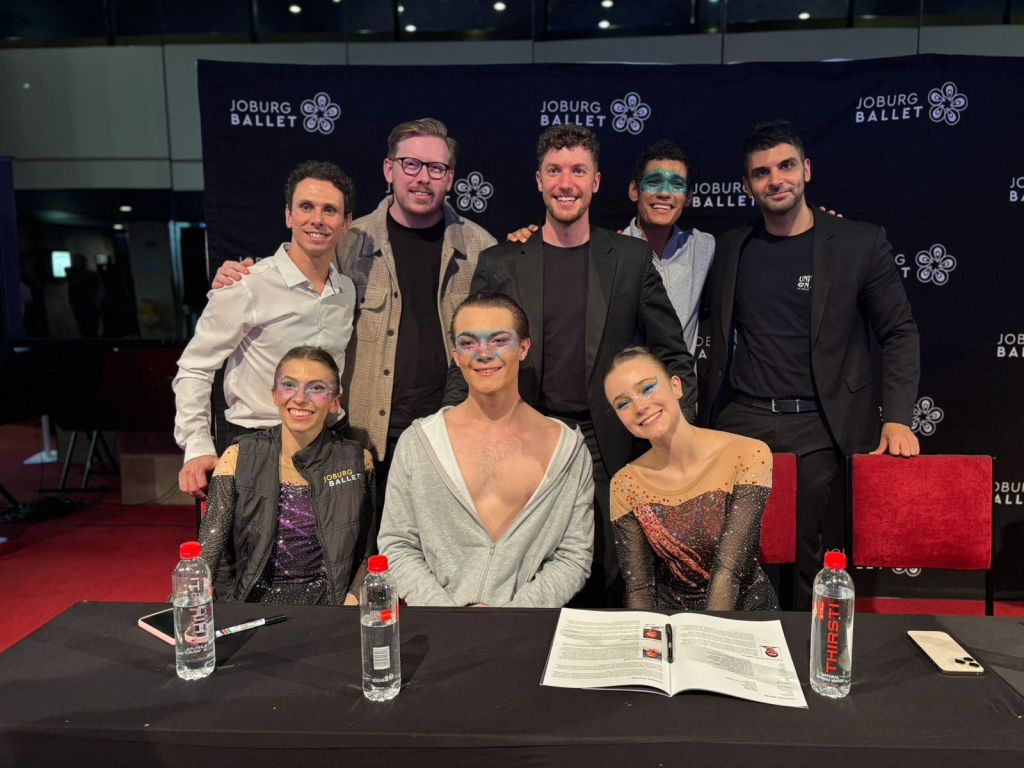
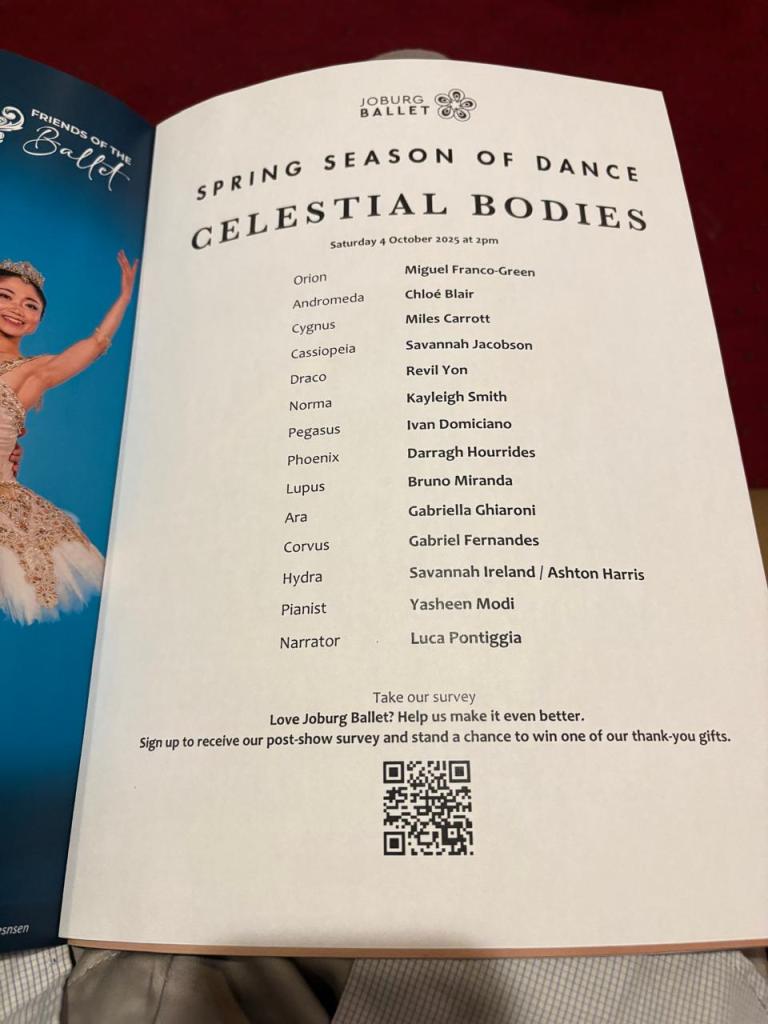
At Joburg Theatre for Celestial bodies, a collaboration between Joburg Ballet and Universe on Stage. I was so excited for this.

The execution was stunning, better than in my imagination. I saw the Universe on Stage lecture earlier in the year, it was such an experience! Dr. Luca Pontiggia and Yasheen Modi simplified science, it lost its fear factor, it wasn’t intimidating. With the help of animation, immersive sound and curated narration, they told the story of the big bang, black holes, stars and existence itself. I really loved that lecture, I learned so much.

The Universe on Stage team is back again, this time with Joburg Ballet. The auditorium pitch black, huge screen at the back, the stage empty and Yasheen, the pianist is on the side. Dr. Luca Pontiggia comes in and out the stage.

Impossible to describe the beauty of the ballet dancers. They feel, they show vulnerability. So much poise, technique and beauty. Perfect bodies without a blemish. Stretching, 180 degrees splits in the air, skipping and spinning on their toes. So much elegance, discipline and strength and yet there is a stillness and serenity in the artform. It evokes awe and wonder, you get goosebumps, you gasp – so beautiful.

The costumes by Mari Robinson and Mario Gaglione are so gorgeous!

Lighting design by Simon King set the mood, engulfed by darkness. So minimal, effective and powerful. It concentrated all your energy and focus to the stage.

Darius Botha is the unsung hero with the awesome visuals and animation.

Yasheen Modi just might be the greatest Pianist of all time.

Dr. Luca Pontiggia is brilliant as the narrator. We learned about the big bang, stars and the beauty of the universe.

Thank you so much Di.

Congratulations Mario Gaglione and the whole team for a great show and a deserved standing ovation.

Dancing the death drill

Dancing the death drill

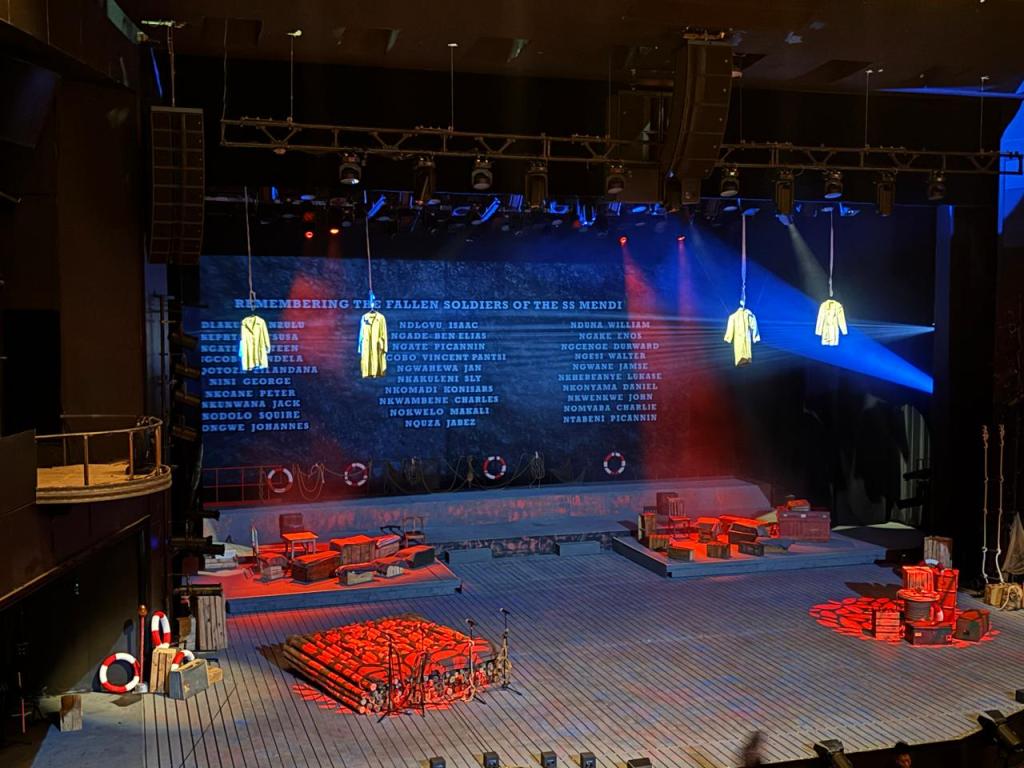
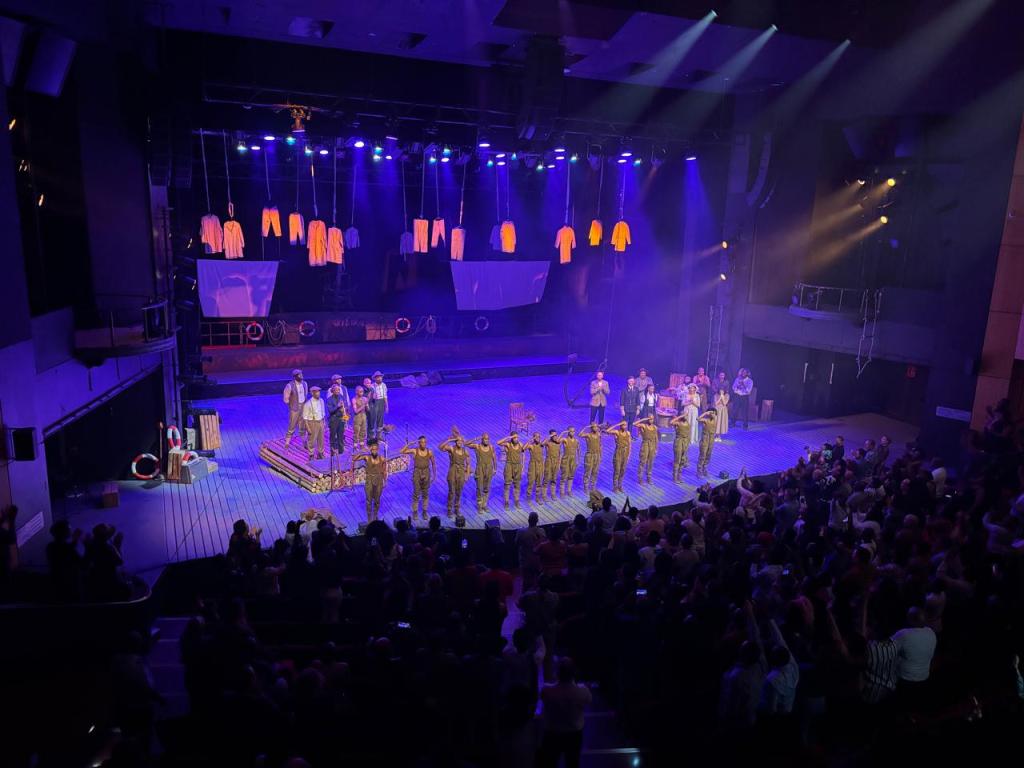
At the Joburg Theatre for the opening of “Dancing the death drill”, packed house, energy palpable, euphoric. So much excitement, there were even soldiers in uniform. My all time favorite performer stars in it, Sharon Spiegel-Wagner. A truly beautiful woman. She speaks French in this one, I rest my case.

What a wonderful theatrical production. I was ecstatic to see Thuli Thabethe, she used to star in a sitcom I used to love “City Sesla”. She played Phumzile, I used to have the biggest crush on Phumi. She plays Matshidiso in this one, the mother of the lead, Pitso Motaung. Her biggest contribution to her son is “don’t be a desserter like your father”. Pitso is a mixed breed, his father is white and his mother black but he identifies as a black Sesotho man. The play is in English but contains dialogue in Sesotho for realism. Clint Brink is a revelation, he speaks Sesotho so well. He plays a character who is accused of a double murder, he is in chains and he is interrogated.

The play has three narrators and they take turns telling the story. They use language that is descriptive and evokes imagery. The monologues are passionate and full of life and personality.  iComplete are the band and they are simply irresistible throughout, the singing and backup is amazing. The violinist, Nakedi “Ace” Phenyo is mezmarrizing, he is in the background for most of the show and is not seen but heard. Towards the end, he comes on in the middle of the stage with the other performers while playing his violin, everyone has eyes on him, he is spellbinding, he had the audience standing up and applauding. However, It was the Luthando Arts Academy who stole the show. They dance with cohesion, chemistry and conviction. In sync, perfect choreography, they make full use of the huge Joburg Theatre stage to perfection, they are outstanding!

The play is based on the sinking of the SS Mendi in 1917, a British troopship carrying over 800 South African men. The ship sank in the English Channel after a collision, resulting in the deaths of over 600 men, many of them Black South Africans. Writer Fred Khumalo reimagines this tragedy through the eyes of Pitso Motaung, a fictional character who rises from a humble background in South Africa to become a soldier. The story is adapted for the stage by Palesa Mazamisa and James Ngcobo. The set is the SS Mendi, we are on a boat and Charlie Bougenon’s character Portsmouth is the captain. I cracked up when he instructed one of his men to lick off his spit on the ground and he did, talk about running a tight ship.

This is a wonderful production with a lot of enthusiasm. The lighting is awesome and the acting, singing, dancing and overall storytelling is just world-class.

Congratulations James Ngcobo and the whole team for a great show and a deserved standing ovation.

đź“·: SamSays

The Frog Prince

The Frog Prince

At the Peoples Theatre, Joburg Theatre to watch The Frog Prince and other fantastic stories. A wonderful show for the kids with color, imagination, energy, funny gags, sing alongs, morality, fantastic costumes and plenty of participation from the audience. We were very helpful. It wasn’t just the Frog Prince, we had other great stories like: 3 Wishes, a story of a grant wishing flounder with a lifelong lesson about promises “you have to keep your promises”. There was Hansel and Gretel, The brave little tailor, The soup stone, The emperors new clothes and The brave little rooster. There was also a story about goats.

The performers also performed Happy, uptown funk, I’ve got the feeling and Waka Waka, encouraging and teaching the audience dance moves for participating. Perfect choreographed movement and dance.

It is fun and interactive, a lot of smiles and laughter. Children helped and donned costumes, so cute, they were flies, bees, kings guards and a whole lot more. Laughter and happiness reigned. Everyone participated.

Morals like “You have to keep your promise” and basically power; from a small cottage, to a castle to being the king to being the lord of the universe and don’t take things that don’t belong to you provide life lessons.

The wonderful performers are:
Luciano Zuppa
Thokozani TK Jiyane
Raymond Skinner
Noluthando Matebula

1 and a half hours with 10 minutes interval.

Congratulations Jill Girard and the whole team for a great show and a deserved standing.

Belinda Davids

Belinda Davids

Day 3 at the Joburg Theatre to watch the Whitney Houston tribute show. Whitney Houston is Sharon Spiegel-Wagner’s favorite artist of all time. Sharon is also born in August. Happy Birthday great man, long live antakalipa, live long!

Sam and Stew have watched this four times and they don’t rule out a fifth. Best birthday ever, I can’t conceive of anything better. I never saw Whitney, however she taught me the greatest love of all. I have made up my mind, Belinda Davids is my favorite performer of all time. Belinda Davids is Whitney Houston maybe even better, sacrilegious, I know, I don’t know what to say after watching something like that. She is truly amazing!

After the show, I followed Belinda on all her socials because I want her to stay with me forever. So in love with Belinda Davids, that voice, the technique. She is so beautiful. She is perfect. I’ve never experienced anything like that, couldn’t stop singing and clapping. The audience didn’t want the show to stop, Belinda escaped. The greatest tribute show of all time, Showtime Australia the culprits.

It was an absolutely great show, some might say the greatest tribute show of all time. Yes, she sings Whitney songs but that’s Belinda Davids! Maybe even better, sacrilegious, but she’s transcended. Belinda Davids is so amazing. Perfection. She sings for the love and not because of fame or a fleeting experience. She is simply technical excellence.

Full house, the audience enthused and excited. Some of the songs performed are: Saving all my love for you, Greatest love of all, I have nothing, I will always love you, One moment in time, My love is your love, I am every woman, So emotional, I wanna dance with somebody and other timeless classics.

This has been the best birthday of my life. Thank you to God for the 30 years. SamSays on the credits. Whitney Houston is Sharon Spiegel-Wagner’s favorite artist of all time. Sharon is also born in August.

Congratulations Showtime Australia and the whole team for a great show and a deserved standing ovation.

đź“·: SamSays

Carmen

Carmen

At Joburg Theatre for the opening of “Carmen”, full house, mature demographic. Always wanted to go the opera since “The Godfather”. It has that appeal, the voices, drama, emotion, gusto, heritage and culture.

I love this form of storytelling, they sing dialogue, less to do with words and more about emotion, feeling and execution. Sing your heart out, be expressive and articulate, take your time, the stage is yours. The opera is sung in French and  English subtitles to translate, it helped with continuity and following the story. Don’t have the vocabulary to describe the voices, such beauty, heavenly is my attempt. The choruses are mezmarrizing, in sync, perfect delivery and immersion in the current moment. In flow and in love with what they were doing. You have to have a voicebox, good pipes and deliver high notes. Tone deaf and you don’t have a chance! Even when they were laughing, they were in tune. This is not idols, no wooden mics for untalented people. These are serious professionals, people who dedicated their whole lives to opera – music. People who can really sing. Four acts, large ensemble, orchestra, gorgeous costumes, the sets change in every act, they transport you to Seville. Love consumes, a tragic story about betrayal and love. My first experience of the opera and I absolutely loved it. Shoutout Bridget and The Buz Hive.

The story unfolds in the sun-drenched streets of Seville, where Carmen – an independent woman – refuses to be bound by anyone’s rules. Her relationships with the soldier Don JosĂ© and the charismatic bullfighter Escamillo ignite a stormy love triangle of passion, jealousy, and betrayal. George Bizet on the score, some of the pieces performed are “Habanera,” and Toreador Song. The Sempre Opera Ad Hoc Choir, under the direction of Kobus Buys are perfect. Everything is perfect.

Congratulations George Bizet and the whole team for a great show and a deserved standing ovation.