Amy Winehouse: Three Albums, One Voice Refusing to Disappear

Amy Winehouse: Three Albums, One Voice Refusing to Disappear

Amy Winehouse did not arrive as a tragedy. She arrived as a mind.
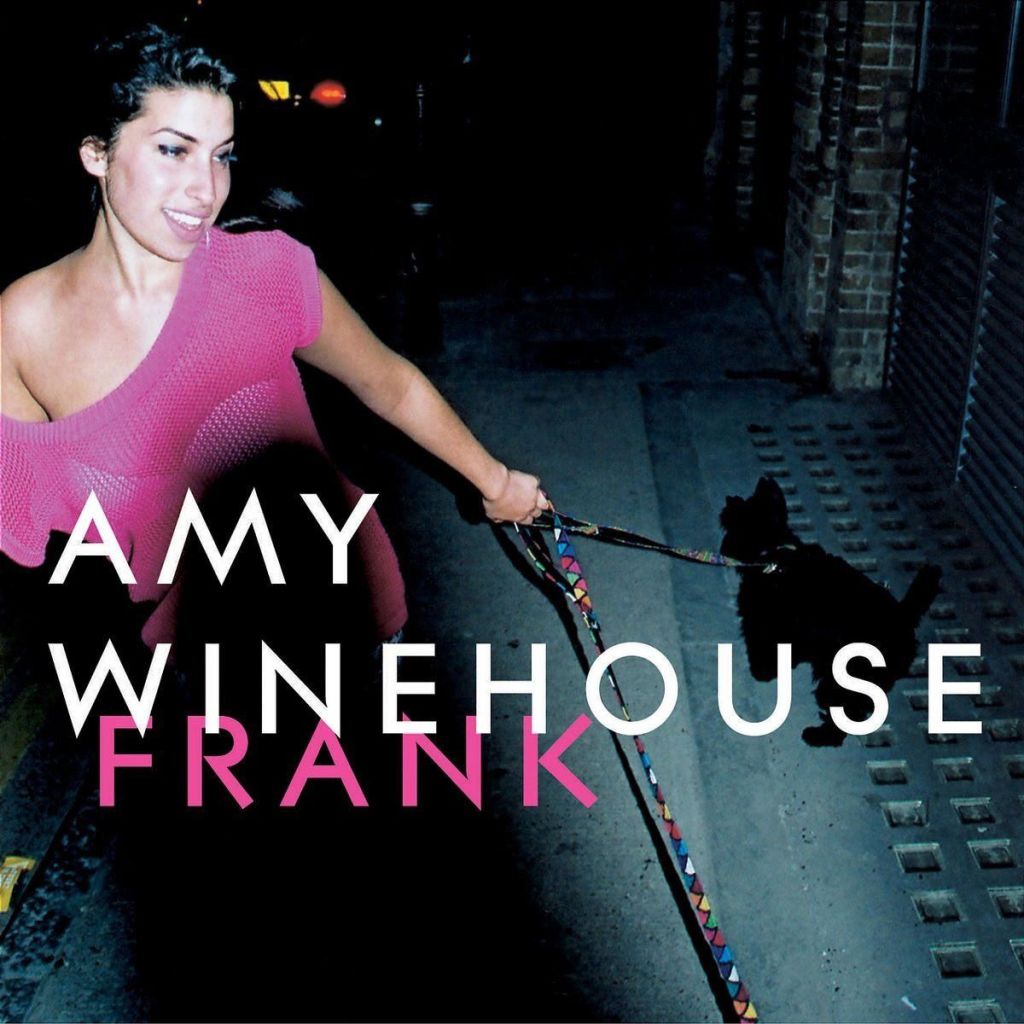
Frank (2003) is where that mind first announced itself — sharp-tongued, jazz-literate, emotionally guarded. At nineteen, Amy sang like someone already tired of being underestimated. Her voice moved with the looseness of jazz, but her lyrics cut with the precision of a young woman who had already learned how intelligence could function as armour. Frank is playful, cruel, observant. It is an album about control — emotional, sexual, intellectual. Here, Amy does not fall in love; she studies it. She names imbalance. She refuses emotional labour. Songs like “Stronger Than Me” and “Fuck Me Pumps” are not merely witty — they are defensive maneuvers. On Frank, Amy keeps herself at a distance. She is present, but never exposed.
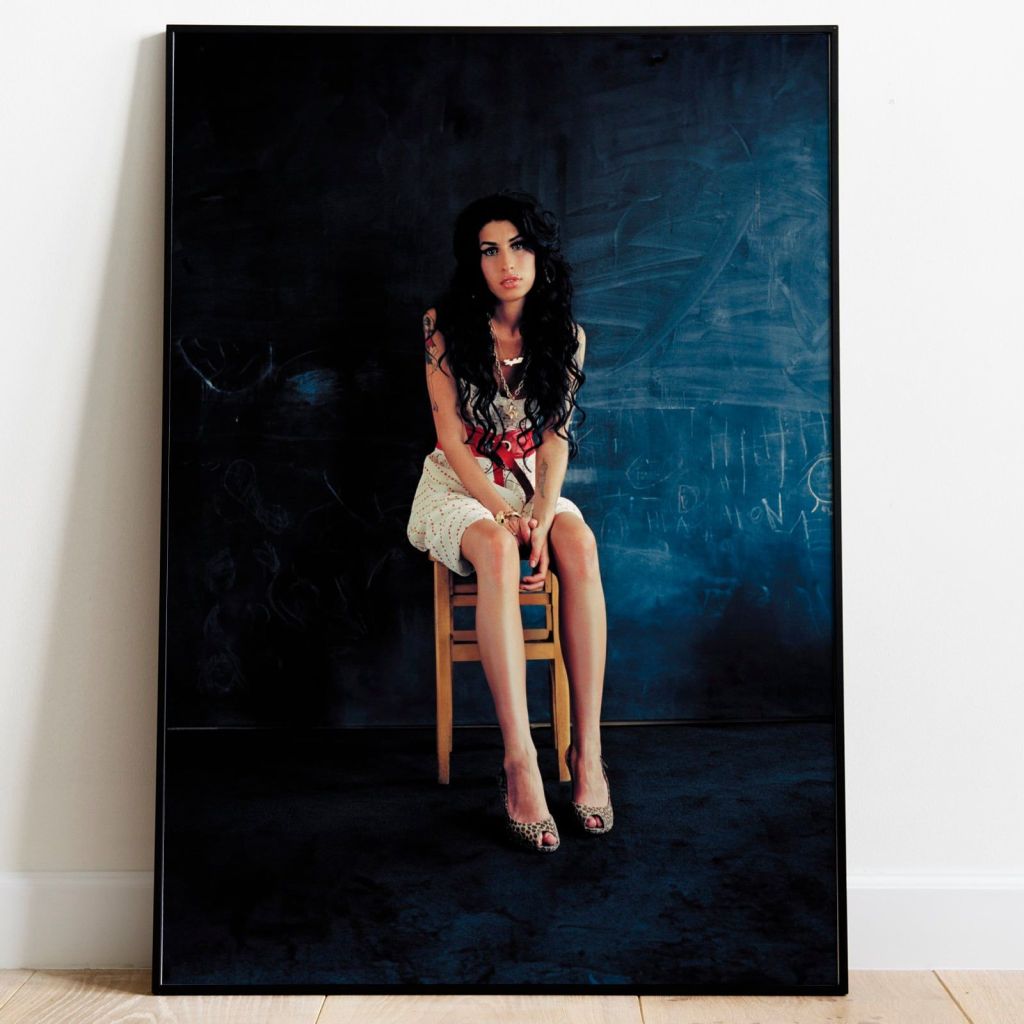
That distance disappears on Back to Black (2006).

This is the rupture. The collapse. The moment where wit can no longer protect the heart. Musically, Back to Black turns away from contemporary gloss and runs straight into the arms of Black American musical memory — Motown, girl groups, torch songs, the ghosts of Dinah Washington and Billie Holiday. Mark Ronson and Salaam Remi build a world that sounds timeless, but the pain inside it is immediate. There is no irony here, only clarity. Amy names her flaws without apology: “You Know I’m No Good.” She jokes her way around danger in “Rehab.” She stands at the edge of abandonment in the title track and does not scream — she accepts. Back to Black is devastating because it documents knowing better without doing better. Love is not redemptive; it is a losing game. And Amy sings this not as theory, but as lived fact.

If Frank is the mind and Back to Black is the wound, then Lioness: Hidden Treasures (2011) is the echo.
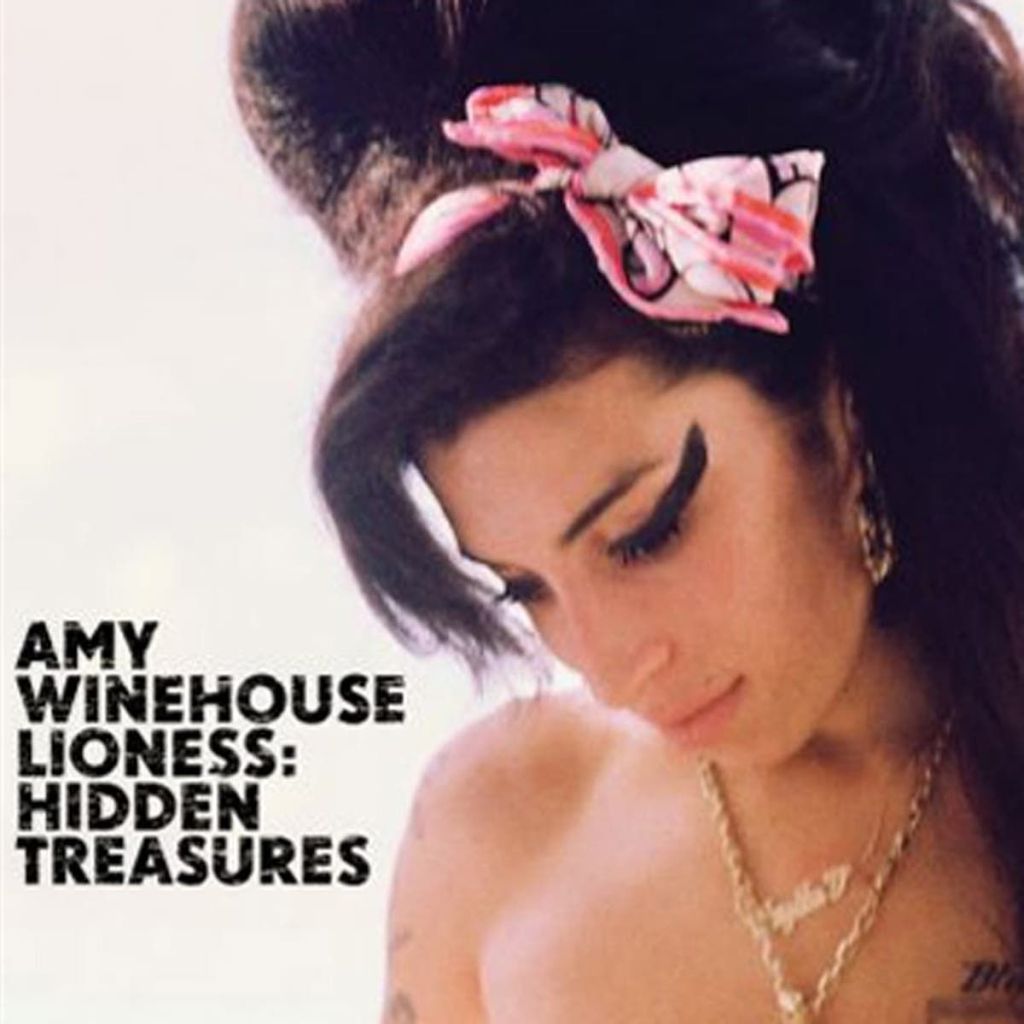
Released after her death, Lioness is not a statement album — it is residue. Demos, alternate takes, songs left unfinished. And yet, it may be the most intimate Amy ever sounded. Her voice here is closer to the microphone, closer to breath, closer to hesitation. There is less performance, more presence. Tracks like “Between the Cheats” and the original version of “Tears Dry on Their Own” strip away theatrical strength and leave vulnerability exposed. Listening to Lioness feels like being handed someone’s notebook without permission. It is not loud. It does not ask to be celebrated. It asks to be held carefully.

Together, these three albums form a rare and honest trilogy. Frank says: I know who I am.
Back to Black says: I lost myself.
Lioness whispers: I was still here.

What Amy Winehouse gave us was not just pain — it was articulation. She understood music history deeply, and she understood herself even more deeply. Her tragedy was not ignorance; it was awareness without rescue. And that is why her work endures. Not because she suffered, but because she told the truth while suffering — without polish, without moral framing, without asking for forgiveness.
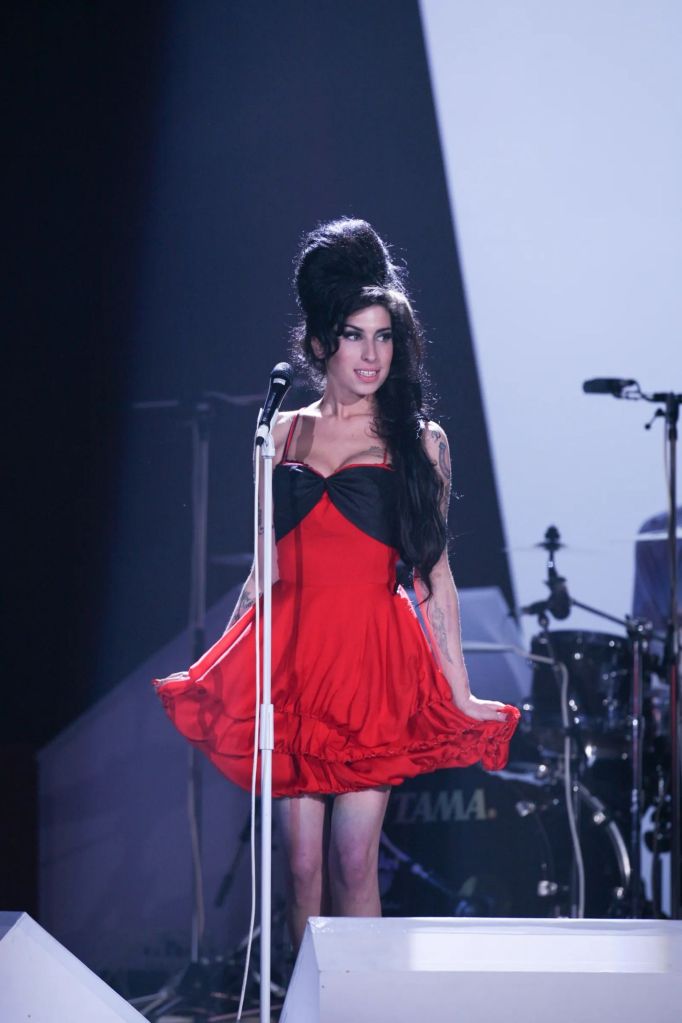
To listen to Amy properly is to refuse to flatten her into myth. She was not only a voice. She was a writer, a thinker, a listener. Her albums do not beg for sympathy. They offer testimony. And if we are still listening — really listening — it is because that voice, cracked and brilliant, never lied.

An Ode to Motown

An Ode to Motown 

There is something quietly thrilling about seeing performers outside the frame that first introduced them to you. It disrupts familiarity. It redraws the boundaries of expectation. Sitting inside the theatre for the final dress rehearsal of An Ode to Motown, that disruption came early — and it came powerfully.

Lerato Mvelase was the first revelation. Known to many through the language of television — where her craft is contained within the borders of a camera lens — she arrived on stage as something altogether different. A vocalist. A narrator. A commanding presence. Her performance didn’t merely interpret the material; it carried it. She threaded the history of Motown through her voice with conviction and personality, revealing vocal depth and range that transformed surprise into admiration. On stage she expanded — larger, freer, and more electric — embodying the kind of theatrical vitality that only live performance can hold.

Opposite her stood Liesl Penniken, whose presence was striking before a single note landed. Beauty alone rarely sustains attention, but presence does — and hers commanded it. Watching her live felt immersive, as though the distance between performer and audience dissolved. Yet what defined the stage was not a singular spotlight but collective radiance: Tamara Dey, Hlengiwe Pearl, Anele Precious Mthethwa — artists whose elegance, charisma, and technical command recreated Motown’s romantic canon with confidence and swagger.

Their selections leaned into the emotional architecture that built the label’s legacy — love songs, yearning songs, songs of devotion and desire. Classics associated with Marvin Gaye and the Jackson 5 floated through the auditorium with warmth and familiarity. When “Lovin’ You” appeared — its softness and melodic intimacy filling the space — it reminded everyone present that the emotional centre of Motown has always been affection: romantic, communal, and nostalgic. These are songs designed to reconnect people with memory, and the audience responded instinctively, singing along without hesitation.

Seeing Tamara Dey return to the stage carried its own resonance — a reminder of artistic longevity and reinvention. Meanwhile, Hlengiwe Pearl and Anele Precious Mthethwa radiated vitality, balancing vocal strength with visual poise, demonstrating the precision and confidence that anchor ensemble work of this nature.

If the first act glowed with elegance and romance, the second shifted its gravitational centre. The entrance of the male performers altered the energy immediately — grounding the sound with bass, momentum, and physical dynamism. Familiar faces, possibly members of iComplete, stepped forward in tailored black attire that signalled cohesion and intent. Their presence sharpened the show’s rhythm, adding contrast and propulsion that elevated the production into full theatrical stride. It was here that the performance felt as though it truly lifted off — voices interlocking, choreography tightening, the atmosphere thickening with collective electricity.

Beyond the performers themselves, the production design deserves equal recognition. Sequined costumes, sculpted wigs, and textured styling evoked the visual mythology of Motown without slipping into imitation. The aesthetic achieved suggestion rather than replication — conjuring an aura rather than recreating a museum piece. It allowed nostalgia to exist not as reenactment, but as living memory.

That nostalgia became the emotional undercurrent of the evening. The theatre transformed into a communal archive of sound, where audience members sang freely, recollected openly, and shared in musical remembrance. Motown’s catalogue transcends generational boundaries; it is social glue disguised as melody. The rehearsal space, even in its unfinished state, vibrated with this shared participation.

One of the production’s most intriguing gestures arrived through its intellectual layering — weaving philosophical and historical fragments into the musical journey. References touching on Nietzsche and the inclusion of Martin Luther King Jr.’s voice expanded the narrative scope beyond entertainment, situating Motown within broader conversations about identity, struggle, joy, and human aspiration. These insertions reminded viewers that the music emerged from a particular historical consciousness — one shaped by resistance, imagination, and collective hope.

Anchoring the entire production was the live band — exceptional in both sensitivity and precision. Their musicianship ensured that the show never drifted into pastiche. They did not merely accompany; they animated, guided, and textured every transition. Live instrumentation granted the music immediacy, breathing elasticity and emotional responsiveness into songs that have lived decades beyond their origins.

What ultimately lingers after witnessing An Ode to Motown is not a singular performance moment but a composite feeling. The show operates as tribute, celebration, and emotional time capsule simultaneously. It honours the past while energising the present. It invites memory while delivering immediacy. And above all, it affirms that Motown’s spirit — its romance, its confidence, its communal joy — remains timeless.

This production does not simply revisit the music.
It reminds audiences why it never left them.

Choreography: Lulu Mlangeni

Musical direction: Margaret Motsage

Live band

Mpho Kodisang – Piano

Earl Joseph Baartman – Bass

Urbano Bay Nobela – Guitar

Tshepa Diale

Congratulations James Ngcobo and the whole team for a great show and a deserved standing ovation.

📸 : SamSays