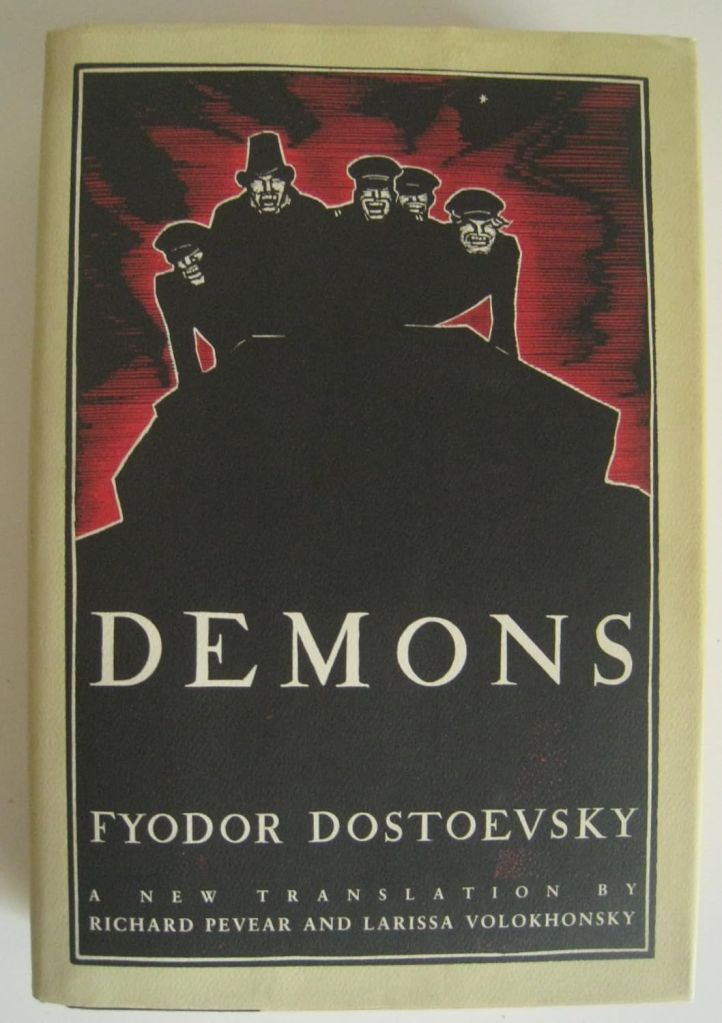
Demons

Stavrogin and Pyotr Verkhovensky: The Void and the Virus

Suicide, Silence, and the Refusal of God in Dostoevsky’s Demons

In Demons, Dostoevsky no longer asks why a man commits a crime or how guilt destroys the soul. He asks something far more terrifying: What happens when belief itself becomes diseased? The novel marks a shift from individual psychological collapse to collective possession. Here, ideas do not persuade—they infect. They hollow people out, animate them, and drive them toward destruction with mechanical inevitability.

At the center of this catastrophe stand two figures who never fully merge yet cannot exist without each other: Nikolai Stavrogin, the void, and Pyotr Verkhovensky, the virus. Stavrogin represents moral emptiness—the absence of belief, remorse, or commitment. Pyotr represents ideological contagion—pure movement without truth, manipulation without conviction. Together, they form Dostoevsky’s bleakest prophecy: a world where emptiness invites possession, and possession replaces conscience.

Stavrogin: The Terror of Moral Emptiness

Stavrogin is not a villain in the traditional sense. He does not rage like Raskolnikov, argue like Ivan Karamazov, or suffer like Prince Myshkin. What makes Stavrogin terrifying is precisely what he lacks: moral gravity. He does not struggle; he does not resist. He observes his own depravity with cold detachment, as though watching another man commit atrocities.

Everyone in Demons orbits Stavrogin. They project onto him leadership, depth, and power. Yet Stavrogin himself believes in nothing—not God, not humanity, not even nihilism as a cause. He is not a revolutionary; he is not a reactionary. He is an absence that attracts meaning, a blank screen onto which others cast their fantasies.

Dostoevsky understood something deeply modern here: emptiness can be more dangerous than conviction. A man who believes in something may still be restrained by doubt or conscience. A man who believes in nothing becomes infinitely adaptable. Stavrogin can commit evil not because he is driven by passion, but because nothing within him says no.

His silence is crucial. Stavrogin refuses confession not out of pride, but indifference. Even when he reveals his crimes, it is without repentance, as though truth itself has lost its moral weight. This silence is not peace—it is spiritual death.

Pyotr Verkhovensky: Ideology as Infection

If Stavrogin is empty, Pyotr Verkhovensky is full—but full of nothing substantial. Pyotr does not believe in revolution, justice, or equality. He believes only in movement, disruption, and control. Ideas are tools to him, interchangeable and disposable. Truth is irrelevant; effect is everything.

Pyotr understands that people do not need coherent philosophy—they need permission. Permission to destroy, to humiliate, to kill. He creates secret cells not to advance a cause, but to bind people together through shared guilt. Violence becomes the glue of community.

This is where Demons becomes prophetic. Pyotr anticipates the modern extremist: not a fanatic driven by belief, but a strategist who weaponizes belief in others. He spreads chaos not as an end, but as a method. Disorder creates dependency, and dependency creates power.

Pyotr does not create the void—but he exploits it. Stavrogin’s emptiness gives Pyotr legitimacy. Pyotr needs Stavrogin as a symbol, a silent authority who never contradicts him. In this sense, the virus requires the void. Ideology needs spiritually empty hosts to survive.

Kirillov and the Logic of Suicide

Running beneath Stavrogin and Pyotr is a darker philosophical current, embodied most explicitly in Kirillov. Kirillov’s suicide is not despair—it is metaphysics. He believes that if God does not exist, then the highest expression of human freedom is self-annihilation. By killing himself voluntarily, Kirillov seeks to become God.

This is the most chilling idea in Demons: suicide as theological rebellion.

Kirillov’s logic is flawless and horrifying. If there is no God, then there is no moral order beyond human will. If that is true, then death is merely another choice. Suicide becomes the ultimate assertion of autonomy. Freedom consumes itself.

Dostoevsky understood that when God is rejected, something else rushes in to fill the vacuum—not reason, but absolutism. Kirillov does not arrive at peace; he arrives at fanatic clarity. His death is not tragic because it is painful, but because it is meaningless while pretending to be profound.

Stavrogin’s Silence and the Failure of Confession

Unlike Kirillov, Stavrogin does not articulate a philosophy of suicide—but he embodies it. His final act is not a declaration, but a withdrawal. Where Kirillov dies loudly, Stavrogin dies quietly. His suicide is the natural conclusion of emptiness: when nothing binds you to life, life becomes optional.

Stavrogin cannot repent because repentance requires belief in moral order. He cannot love because love requires commitment. He cannot live because life requires purpose beyond self-will. His death is not an escape from guilt—it is the final expression of indifference.

Dostoevsky is merciless here. Stavrogin’s intelligence, charm, and self-awareness do not save him. On the contrary, they accelerate his destruction. Consciousness without faith becomes self-consuming.

The Possessed World

What Demons ultimately reveals is that the death of God does not lead to freedom—it leads to possession. When conscience disappears, ideology takes its place. When meaning dissolves, violence provides structure. When silence replaces prayer, chaos speaks.

Stavrogin shows us the danger of inner emptiness. Pyotr shows us how that emptiness becomes contagious. Kirillov shows us the final logic of absolute freedom. Together, they form a single system: void, virus, and self-destruction.

Dostoevsky was not warning against revolution alone. He was warning against a world where ideas are severed from the soul, where belief becomes technique, and where freedom is defined as the absence of restraint rather than the presence of meaning.

Conclusion: A Novel for Our Time

Demons is not a historical novel. It is a diagnosis. Stavrogin exists wherever moral detachment is mistaken for sophistication. Pyotr exists wherever chaos is mistaken for progress. Kirillov exists wherever autonomy is mistaken for transcendence.

The demons Dostoevsky describes are not supernatural—they are philosophical. They enter through silence, grow through emptiness, and destroy through certainty.

And once possessed, a society no longer needs tyrants.

It destroys itself.
Literary genius

Literary genius

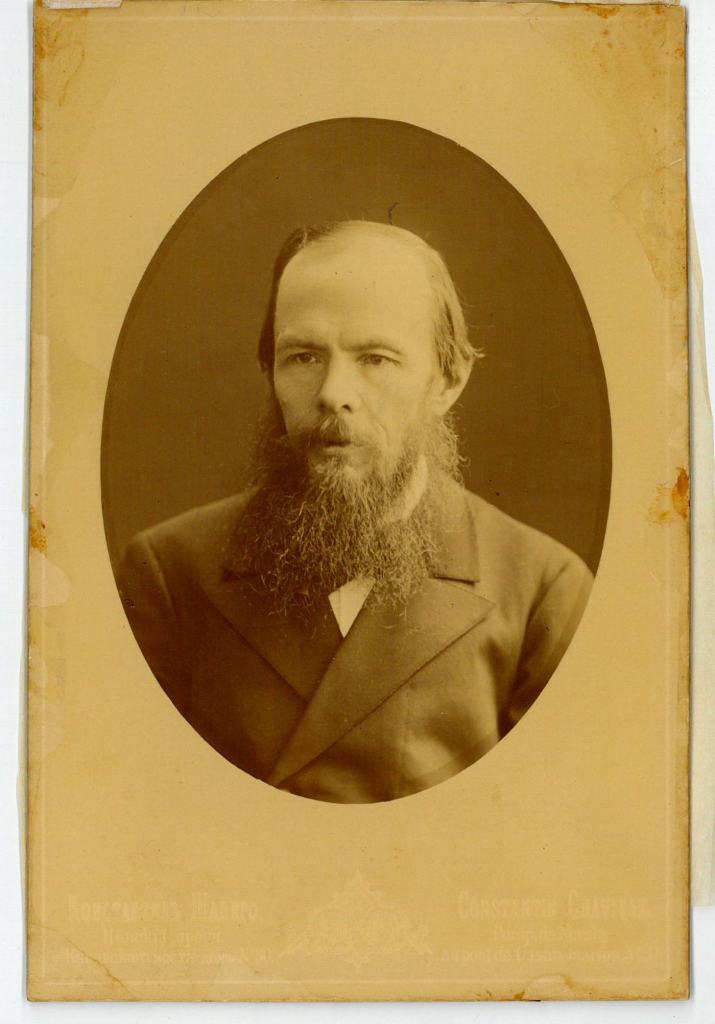
Just as I feared, Fyodor Dostoevsky has ruined Literature for me. I read other books and authors and it’s not the same. They are too surface level, no depth, no risk, lazy, PG, predictable. I don’t finish reading the books because they bore me. Everything is mediocre after Dostoevsky. Maybe I will never get somebody as great as Dostoevsky. His characters are multilayered, they have fears, flaws and motivations. Fyodor Dostoevsky illuminates the darkside of human nature. Siberia made him a genius. He was scheduled to be at executed but at the very last minute, the order was changed to life imprisonment instead. Those final minutes, those last seconds when he thought he was going to die made him the writer he ultimately became. In those last moments, the colors of plants and nature were fuller, the sun was shinning just for him, for the last time, he gained clarity, he negotiated with God, begging him for another chance. He would become a new man, he now saw life as gift, something he should embrace and be grateful for. If God gave him another chance, he would do good in the world, he wouldn’t take anything for granted. Thank God, he saved Fyodor Dostoevsky. “Notes from Underground” was my first Dostoevsky book, short read, about 100 pages, I had never read anything like that in my life. It is psychological, reflective, honest, self-aware and conscious. “Notes from Underground” is brilliant! The Underground man is pitiful, weak, spiteful and pathetic. He wants to avenge himself against a man who wronged him but he is too cowardly. Dostoevsky doesn’t sugarcoat the human condition, life is suffering and difficult and we are all going to die. The storyworld and tone is dark and filled with insecurities. We get into the head of the underground man and he is pathetic, weak and flawed. I initially thought “Crime and Punishment” was the greatest book in the history of humanity. I couldn’t put it down, I loved it, it thoroughly satisfied me. “Wow” was the last thing I said after I finished the book. Then I read “The Brothers Karamazov” – I don’t think there’s a book in existence or in human history that’s better or on par with “The Brothers Karamazov”. It explores religion, atheism, love, patricide and murder. There’s also the fact that Dostoevsky is a master storyteller and unbelievable writer. I strongly believe “The Brothers Karamazov” is the greatest book of all time. His other books “The Idiot” and “Demons” are great, they all get full stars. In fact if you made a case about one of them being better, no one would argue, it’s perspective, besides all his books are masterpieces. The original psychologist, philosopher, a master of human nature and just a literary genius! He set the bar too high, his work is too great, he helped me see life differently, has inspired me so much and ruined literature for me. But I am hopeful, there has to be someone who can rival Dostoevsky.

Dahmer

Dahmer

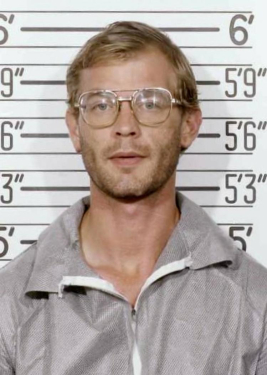
Monsters lurk everywhere in the world and it’s hard to spot them. They have learned to camouflage themselves in the darkness, it engulfs and consumes them, blackening their souls turning them into shadows. Analytical Psychologist Carl Jung explains that human beings carry within themselves both elements of the good and bad, that we are both angels and demons, sick, demented, evil, dark, spoiled. Because we live in a world where we have to co-exist to survive, we surpress these undesirable qualities relegating them into the shadows. Unchecked the shadow can grow to consume our personality and rule our subconscious minds enabling us to act unconsciously. Our shadows can turn us into psychopaths who lack empathy and thrive on destruction. The shadow can enable the individual to be narcissistic, egoistic and maniacal. Shedding a light on our dark sides helps in controlling the shadow. Acknowledging you have a dark side keeps the shadow at bay. Life is a balance of both the good and bad, of the light and the darkness. We are both polar extremes of the same spectrum. You are a killer and a murderer, human nature says you are. You might find pleasure in murdering your brother in cold blood. Cain certainly did when he murdered his brother Able to spite God. The murder was premeditated, he felt no remorse, the action liberated him. I know I am bad, I am capable of savagery and genocide. I may even take pleasure in torturing and tormenting you to appease my dark side. Your suffering might even give me comfort. Am I another Jeffrey Dahmer? Would I drug you, strangle you to death, masterbate over your body, have sex with your unconscious body, dissect and sever your body parts, skin the flesh from your bones, cook and eat your body parts for dinner? The capacity for evil in a human being is unfathomable. Maybe I am not familiar with my own darkness. I don’t know what I might do to you in the right circumstances. The story of Jeffrey Dahmer haunts me because he did it time and time again. A serial killer with a death toll of 17. No one was safe, from boys aged 14 to adults aged 33. He butchered his victims, cut off their limbs, drilled holes in their skulls and injected hydrochloric acid, severed their heads and preserved them in the refrigerator, inserted the bones in the oven to burn them and then crushed them with his sledgehammer, he cut his victims into pieces and then boiled them, he cooked his victims and he ate them, he ate them! He used acid and other chemicals to burn the skin of his victims skulls to preserve them. He bleached the skulls and if they were too weak he pulverized them, some he kept and used when he was masterbating. He felt no remorse, it was a compulsion for him, he was conscious of his actions, he knew what he was doing, he wasn’t crazy or diagnosed with some sort of mental illness, he consciously experimented with his victims bodies in his own words to create zombies, he loved doing it, it was his vocation. I don’t want to believe that I am as wicked and evil as Dahmer but I know it’s possible. To deny this is to repress my own darkness and wickedness. To know I am capable of such darkness frightens me. I hope Jung and Freud have an answer for somebody like Dahmer. Maybe it is the ID out of control. Sigmund Freud explained that the ID is the seat of both the repressed material and the drives, to which had been added to the unconscious fantasies and unconscious feelings, notably guilt feelings. Expanding on this idea, Freud states that the mind is divided into 3; into what we call the ID, Ego and the Superego. The Superego is the watchful, judging, punishing agency in the individual. The ID is self-gratifying and amoral and the Ego is the middle ground of the two and strives to be moral. I don’t think Freud and Jung would understand an individual quite as complicated as Dahmer, to try and understand somebody like Dahmer is impossible. I mean he seduced and lured his victims to his place, drugged them, killed them, cut them and sat with the stench of their decomposing bodies. The smell was second nature to him. Sometimes psychology is not enough, perhaps this is a genetic thing, maybe his the exception in the family tree. When he was finally caught he didn’t resist, he was compliant and told the whole truth, every horrific detail, where he hid body parts, how many he had killed, the hearts, biceps, legs he ate, when the killing spree commenced – everything. He knew what he had done was evil and he asked for the death penalty that was not granted because it was banned in his State. He was accepting of who he was, he was not bothered, he was not haunted by ghosts and demons, he was not remorseful, he even had fans who corresponded with him in jail, fans who projected onto him their undesirable feelings, desires and fantasies and he reciprocated back that energy. Jeffrey Dahmer is your definitive example of a monster, he scares me. Maybe I am just scared of myself.

Dahmer

Dahmer

Monsters lurk everywhere in the world and it’s hard to spot them. They have learned to camouflage themselves in the darkness, it engulfs and consumes them, blackening their souls turning them into shadows. Analytical Psychologist Carl Jung explains that human beings carry within themselves both elements of the good and bad, that we are both angels and demons, sick, demented, evil, dark, spoiled. Because we live in a world where we have to co-exist to survive, we surpress these undesirable qualities relegating them into the shadows. Unchecked the shadow can grow to consume our personality and rule our subconscious minds enabling us to act unconsciously. Our shadows can turn us into psychopaths who lack empathy and thrive on destruction. The shadow can enable the individual to be narcissistic, egoistic and maniacal. Shedding a light on our dark sides helps in controlling the shadow. Acknowledging you have a dark side keeps the shadow at bay. Life is a balance of both the good and bad, of the light and the darkness. We are both polar extremes of the same spectrum. You are a killer and a murderer, human nature says you are. You might find pleasure in murdering your brother in cold blood. Cain certainly did when he murdered his brother Able to spite God. The murder was premeditated, he felt no remorse, the action liberated him. I know I am bad, I am capable of savagery and genocide. I may even take pleasure in torturing and tormenting you to appease my dark side. Your suffering might even give me comfort. Am I another Jeffrey Dahmer? Would I drug you, strangle you to death, masterbate over your body, have sex with your unconscious body, dissect and sever your body parts, skin the flesh from your bones, cook and eat your body parts for dinner? The capacity for evil in a human being is unfathomable. Maybe I am not familiar with my own darkness. I don’t know what I might do to you in the right circumstances. The story of Jeffrey Dahmer haunts me because he did it time and time again. A serial killer with a death toll of 17. No one was safe, from boys aged 14 to adults aged 33. He butchered his victims, cut off their limbs, drilled holes in their skulls and injected hydrochloric acid, severed their heads and preserved them in the refrigerator, inserted the bones in the oven to burn them and then crushed them with his sledgehammer, he cut his victims into pieces and then boiled them, he cooked his victims and he ate them, he ate them! He used acid and other chemicals to burn the skin of his victims skulls to preserve them. He bleached the skulls and if they were too weak he pulverized them, some he kept and used when he was masterbating. He felt no remorse, it was a compulsion for him, he was conscious of his actions, he knew what he was doing, he wasn’t crazy or diagnosed with some sort of mental illness, he consciously experimented with his victims bodies in his own words to create zombies, he loved doing it, it was his vocation. I don’t want to believe that I am as wicked and evil as Dahmer but I know it’s possible. To deny this is to repress my own darkness and wickedness. To know I am capable of such darkness frightens me. I hope Jung and Freud have an answer for somebody like Dahmer. Maybe it is the ID out of control. Sigmund Freud explained that the ID is the seat of both the repressed material and the drives, to which had been added to the unconscious fantasies and unconscious feelings, notably guilt feelings. Expanding on this idea, Freud states that the mind is divided into 3; into what we call the ID, Ego and the Superego. The Superego is the watchful, judging, punishing agency in the individual. The ID is self-gratifying and amoral and the Ego is the middle ground of the two and strives to be moral. I don’t think Freud and Jung would understand an individual quite as complicated as Dahmer, to try and understand somebody like Dahmer is impossible. I mean he seduced and lured his victims to his place, drugged them, killed them, cut them and sat with the stench of their decomposing bodies. The smell was second nature to him. Sometimes psychology is not enough, perhaps this is a genetic thing, maybe his the exception in the family tree. When he was finally caught he didn’t resist, he was compliant and told the whole truth, every horrific detail, where he hid body parts, how many he had killed, the hearts, biceps, legs he ate, when the killing spree commenced – everything. He knew what he had done was evil and he asked for the death penalty that was not granted because it was banned in his State. He was accepting of who he was, he was not bothered, he was not haunted by ghosts and demons, he was not remorseful, he even had fans who corresponded with him in jail, fans who projected onto him their undesirable feelings, desires and fantasies and he reciprocated back that energy. Jeffrey Dahmer is your definitive example of a monster, he scares me. Maybe I am just scared of myself.