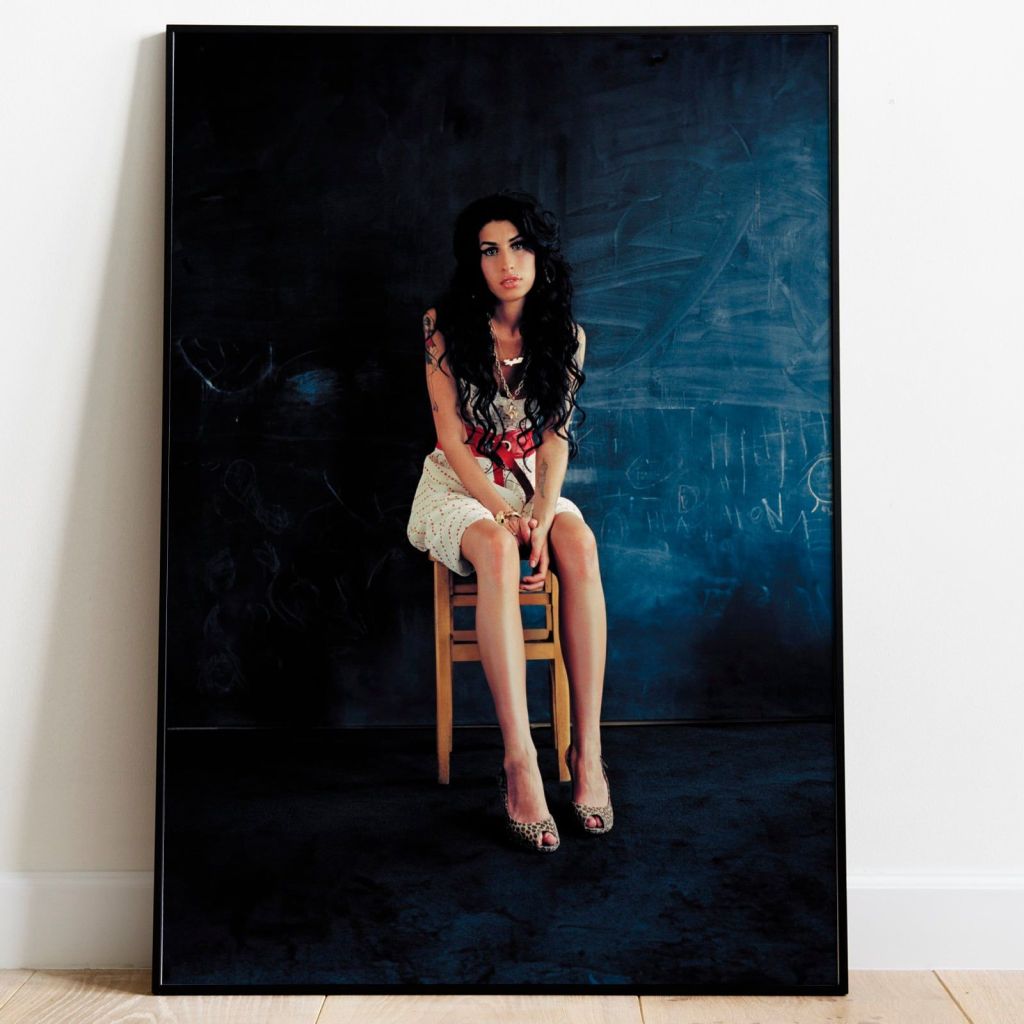
Amy Winehouse: Three Albums, One Voice Refusing to Disappear

Amy Winehouse: Three Albums, One Voice Refusing to Disappear

Amy Winehouse did not arrive as a tragedy. She arrived as a mind.
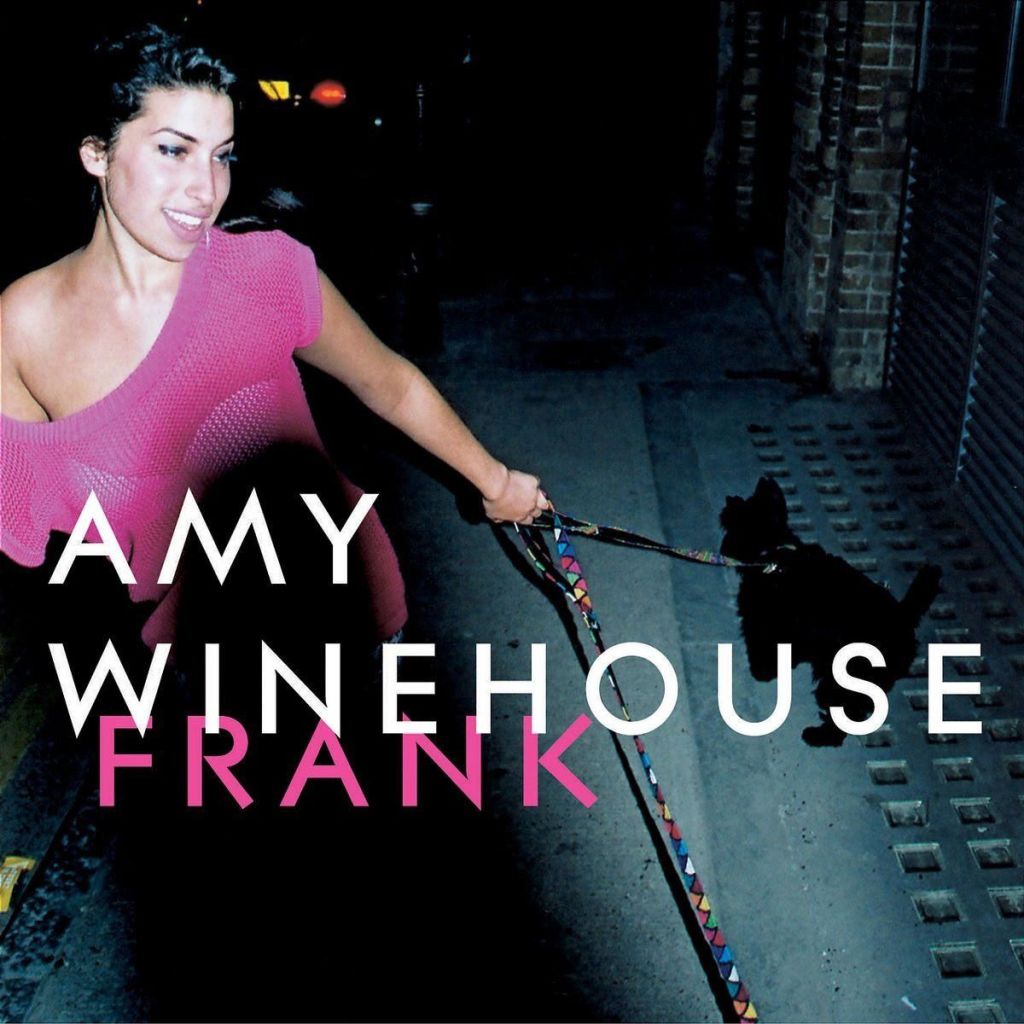
Frank (2003) is where that mind first announced itself — sharp-tongued, jazz-literate, emotionally guarded. At nineteen, Amy sang like someone already tired of being underestimated. Her voice moved with the looseness of jazz, but her lyrics cut with the precision of a young woman who had already learned how intelligence could function as armour. Frank is playful, cruel, observant. It is an album about control — emotional, sexual, intellectual. Here, Amy does not fall in love; she studies it. She names imbalance. She refuses emotional labour. Songs like “Stronger Than Me” and “Fuck Me Pumps” are not merely witty — they are defensive maneuvers. On Frank, Amy keeps herself at a distance. She is present, but never exposed.
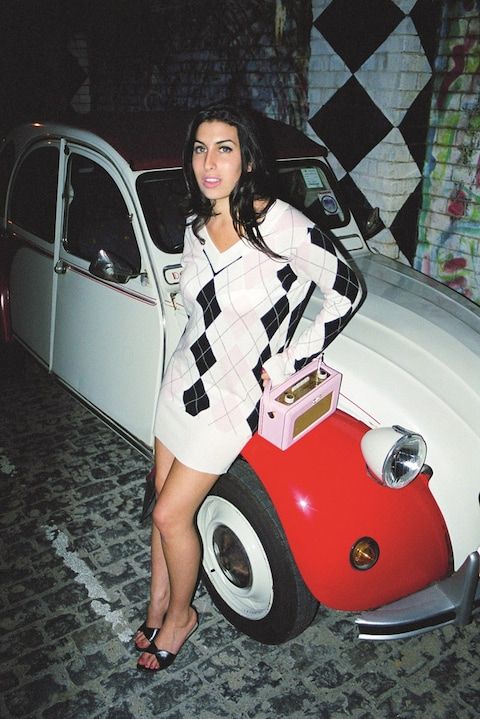
That distance disappears on Back to Black (2006).
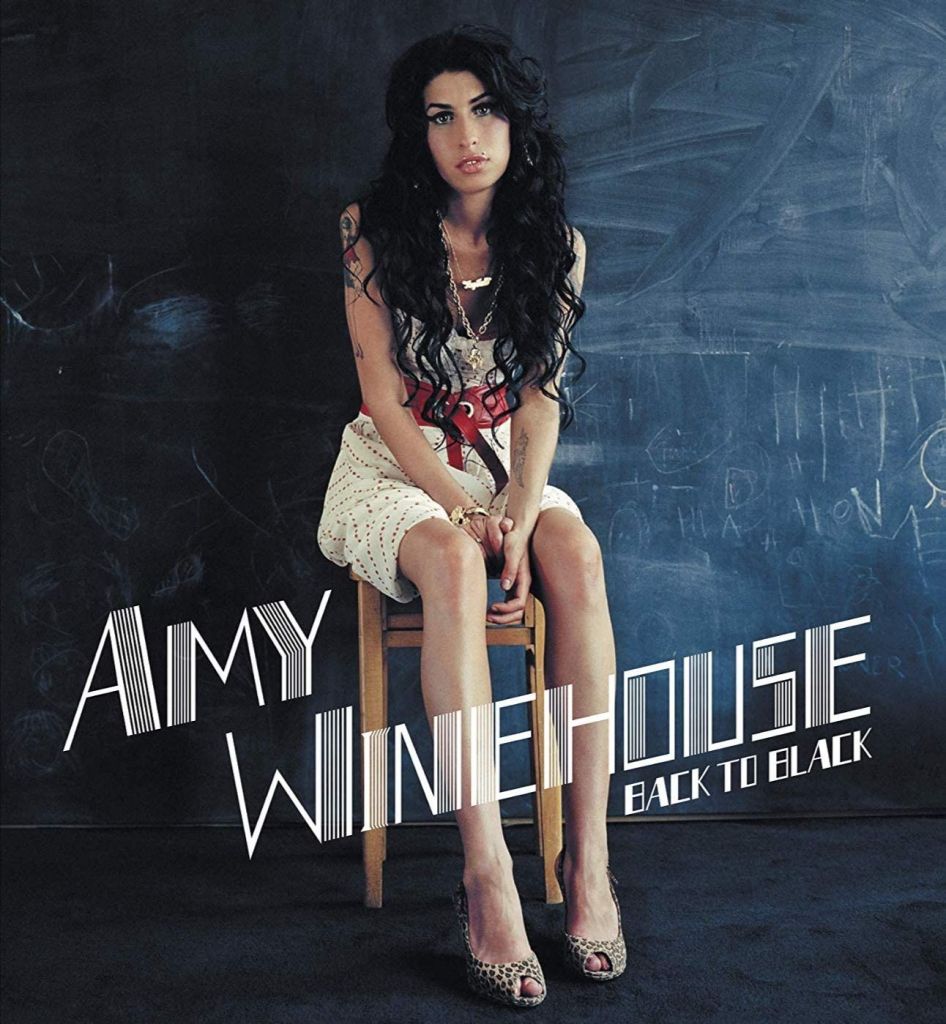
This is the rupture. The collapse. The moment where wit can no longer protect the heart. Musically, Back to Black turns away from contemporary gloss and runs straight into the arms of Black American musical memory — Motown, girl groups, torch songs, the ghosts of Dinah Washington and Billie Holiday. Mark Ronson and Salaam Remi build a world that sounds timeless, but the pain inside it is immediate. There is no irony here, only clarity. Amy names her flaws without apology: “You Know I’m No Good.” She jokes her way around danger in “Rehab.” She stands at the edge of abandonment in the title track and does not scream — she accepts. Back to Black is devastating because it documents knowing better without doing better. Love is not redemptive; it is a losing game. And Amy sings this not as theory, but as lived fact.

If Frank is the mind and Back to Black is the wound, then Lioness: Hidden Treasures (2011) is the echo.
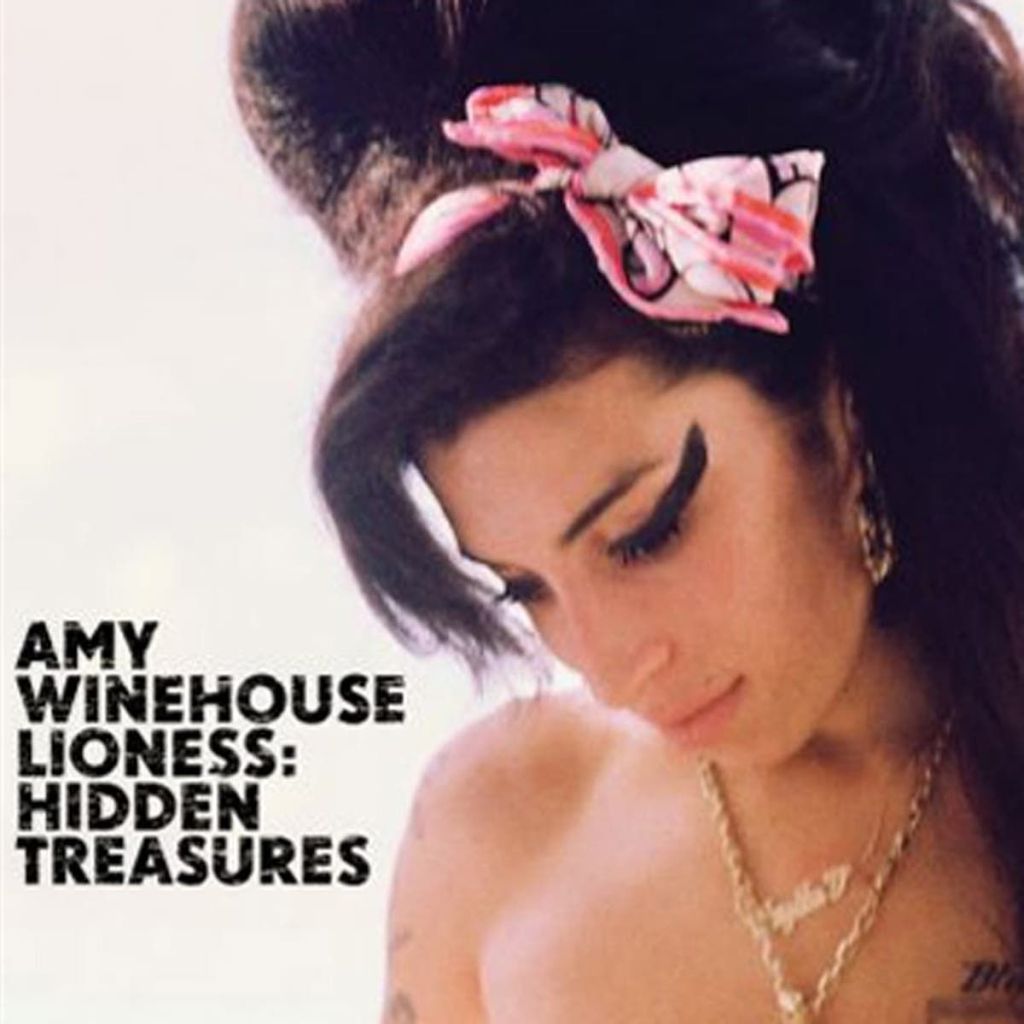
Released after her death, Lioness is not a statement album — it is residue. Demos, alternate takes, songs left unfinished. And yet, it may be the most intimate Amy ever sounded. Her voice here is closer to the microphone, closer to breath, closer to hesitation. There is less performance, more presence. Tracks like “Between the Cheats” and the original version of “Tears Dry on Their Own” strip away theatrical strength and leave vulnerability exposed. Listening to Lioness feels like being handed someone’s notebook without permission. It is not loud. It does not ask to be celebrated. It asks to be held carefully.

Together, these three albums form a rare and honest trilogy. Frank says: I know who I am.
Back to Black says: I lost myself.
Lioness whispers: I was still here.

What Amy Winehouse gave us was not just pain — it was articulation. She understood music history deeply, and she understood herself even more deeply. Her tragedy was not ignorance; it was awareness without rescue. And that is why her work endures. Not because she suffered, but because she told the truth while suffering — without polish, without moral framing, without asking for forgiveness.
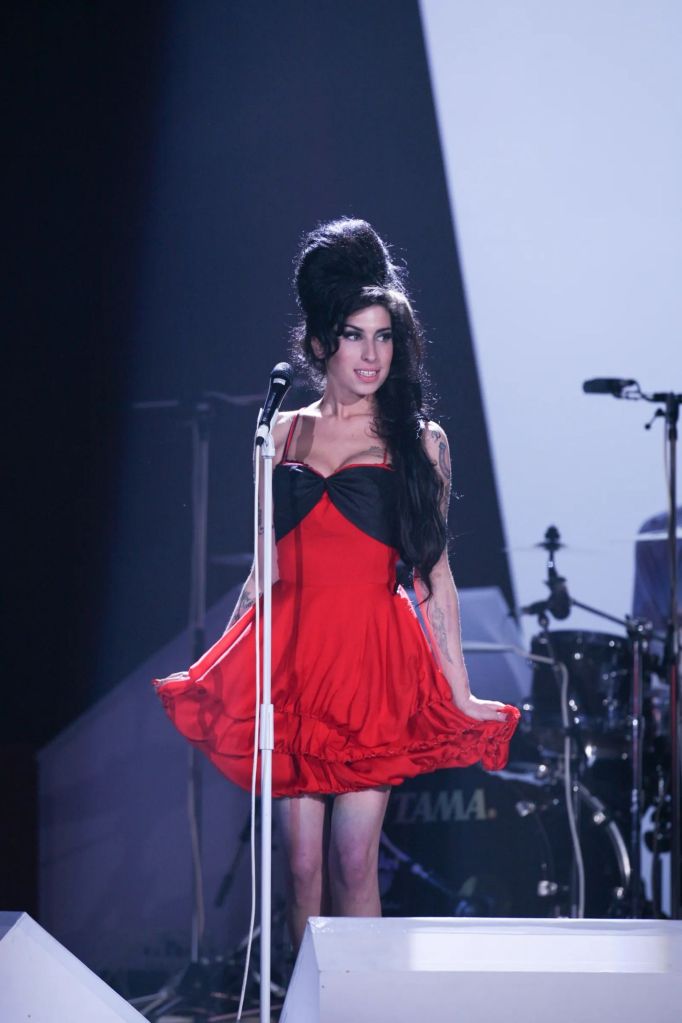
To listen to Amy properly is to refuse to flatten her into myth. She was not only a voice. She was a writer, a thinker, a listener. Her albums do not beg for sympathy. They offer testimony. And if we are still listening — really listening — it is because that voice, cracked and brilliant, never lied.
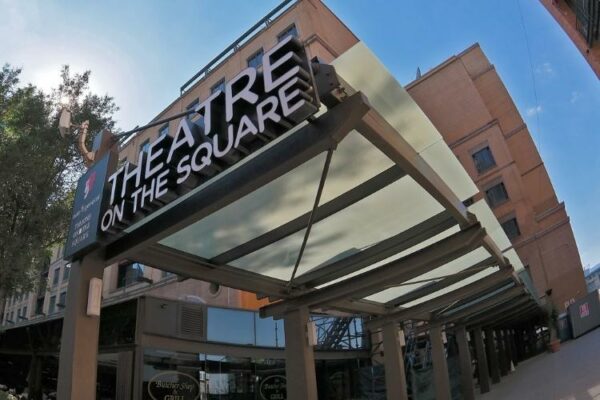
On the square

On the square

I fell in love with her when I heard her sing “Back to Black”, I got goosebumps and I started to shiver. I felt Amy’s spirit, she lived through Sharon, her execution was flawless, I had never witnessed talent like that. She was amazing, she felt familiar, my dopamine levels spiked to new levels, I loved watching her on the stage. She made me happy because now when I went to the theatre I’d hear Amy. Everything just felt like devine intervention, like a higher power was in control, like the Universe was conspiring in my favor, like I finally made it! It was my first week on the job on the square as the stage manager, Daphne Kuhn on the credits. For me it was a dream job because I’d get to interact with fellow content creators. Theatre on the square is known for hosting the best talent in the country, if not the world and for me the opportunity to be a spectator of greatness is heaven. I had seen “Nothing but the truth”, written by John Kani, starring Sello Maake Ka-Ncube, Mbali Nhlapo and the Ziaphora Dakile. It was a spectacular show, honestly the best I had ever seen. I saw it twice. I remember after the show, I saw Mbali near the box office. I remember feeling the urge to go up to her and congratulate her on the great show. So I went up to her and told her that her performance was awesome, I hugged her and I walked away. I meant it too, everybody in the production excelled with flying colors. First time I went to the theatre I watched “Home Affairs” starring Sello Ramolahloane and Lawrence Joffe. I went to the theatre with the hopes of getting a job, lucky for me Daphne was in the box office. I talked to her and gave her my CV, but the theatre wasn’t hiring, Covid sent the whole industry on its knees and the theatre didn’t have sponsors to sustain the expenditures of the business, to cut matters short, there was not enough money coming through. I persisted and made my case stating that I just love content and I just need a chance. She relented if not compromised and offered me a ticket to watch “Home Affairs” the next day at 20:00. At the moment the heavens opened up and I heard choruses of Hallelujah in my head. I took her up on her offer and went the next day and I loved the show. Of course one ticket for one show was never going to be enough for me, I needed more. The theatre door was the door I’d been looking for all my life, the stage, the lights, the sound and the live performance. For me getting a job on the square was never about money. I felt establishing connections was key for the long-run and ultimately, I started working there for free, for the love and happiness it gave me but Daphne did give me money for transport, a wonderful gesture. She changed everything for me. After “Home Affairs”, I sent an email to Daphne thanking her for opening up this beautiful world of theatre for me and I asked her for tickets for the next show. She obliged and with that I started coming to the theater more often. I saw every production. It was not until “The Dress Code” that I was welcomed to the family. Reginah Dube who started alongside Daphne in the early days of the theatre took a liking to me straight away and offered to take me under her wing so I can learn more about theatre, I accepted. Loftus taught me how to operate the lights, he was the technical guy in charge of the sound and lights, he had a good taste in music, level-headed, calm, the voice of reason, showed care and love towards his work and was always good to me. He was a great guy, I admired and respected him. Melidah was accommodative, kind and beautiful. She was the person I looked forward to seeing at the theatre. Malebone was the light that brightened my day, she had a smile that radiated and always made me feel welcomed and at home. Reggie was the guy who opened the door for me when I started for the first time that monday. That’s the day I first heard Sharon sing “Black to Back”, it was like I floating on clouds, like I was one of the 144 000 people selected to go into heaven, like everything was finally coming full circle. Of course her co-stars are on the level of her excellence. Lorri is a different beast when she’s on the stage, she lights up, you can literally see light emitting through her pores, she glows, no hyperbole. She is witty, comedic, intelligent and a great singer. She is the tempo of the show, the heartbeat, the soul. Ntambo is powerful, assured, heartfelt and dominant – also a great singer, when she sings “My Mother’s savage daughter” the whole world is at her mercy, she doesn’t even need the piano, she performs it acappela style, she’s on the stage barefoot with her dreadlocks dangling on either side of her shoulders, she is raw and empowering, she is amazing! One of the top highlights of the show. And Cliff of course murdering it on the piano. No mistakes, 10/10 performance every day! Shoutout Craig Jackson with his show “Defending the Caveman”, a great show I watched twice. And it would be a great injustice if I left out “Cat and Monkey”, I loved it, it reflected so much about reality, about how toxic co-dependent relationships can be, it was funny and relatable, I knew the characters on the stage first hand, Danielle Retief and Rowlen von Gericke executed extremely well. Even with that Sharon takes the cake for me mainly because of Amy. Lorri helped immensely at the end of the song, her song “Black Velvet” converges at the end with “Back to Black” and the end result is a masterpiece. It was the day everything finally came together and Amy Winehouse was the soundtrack, I felt blessed and everything made sense.

P.S. A big congratulations to Amanda Bothma, Vincent is a masterclass on theatre. When I heard Germaine Gamiet playing the piano in rehearsal, I thought he was the best piano player in the world and I told Daniel Anderson his talent was on another level! After the first show, I told Germaine that his the best piano player in the world and for Daniel, well, I told him his the goat – that’s the best I had, it wasn’t hyperbole, it was the general consensus, you have to see “Vincent” for yourself, it was what I felt and it needed to be expressed. Vincent always had people on their feet clapping and clapping, it was warranted to, it’s a great show. I am proud to have been a part of the production staff for “The Dress Code” and “Vincent” – Daphne Kuhn on the credits.