Peter Pan Jr.

Peter Pan Jr. at Peoples Theatre: A Joyous Flight into Neverland

There is a unique sound that exists only in children’s theatre.

It is not the applause at the end of a performance. It is not the overture from the orchestra or the final bow from the cast.

It is the laughter of children.

Pure. Unfiltered. Honest.

If adults politely applaud what they appreciate, children enthusiastically celebrate what they love. They gasp. They laugh. They point. They sing along. They become part of the adventure.

That wonderful sound echoed throughout Peoples Theatre at Joburg Theatre during the opening performance of Peter Pan Jr., a colourful, energetic and thoroughly delightful production that understands exactly who it is for and never loses sight of that mission.

From the moment the curtain rises, audiences are invited into a world where imagination reigns supreme, pirates roam the seas, fairies sparkle in the darkness and children can fly.

It is family entertainment in its purest form.

Produced by Peoples Theatre Productions, this adaptation of the beloved classic embraces the wonder and innocence that has allowed the story of Peter Pan to endure for generations. The result is a production overflowing with enthusiasm, warmth and youthful energy.

Children’s theatre is often misunderstood.

Some assume that performing for young audiences is easier than performing for adults. The reality is precisely the opposite.

Young audiences are perhaps the toughest critics in the world. Their attention cannot be taken for granted. Their engagement must be earned every second. Every joke, every song, every dance routine and every dramatic moment must work.

Peter Pan Jr. succeeds because everyone involved understands this fundamental truth.

Under the direction of Jill Girard, the production moves with confidence and momentum. There is never a sense of stagnation. Every scene carries purpose and excitement, keeping young audiences invested throughout the journey from London to Neverland.

The production’s visual appeal deserves special recognition.

Colour bursts from every corner of the stage. Costumes, lighting and staging combine to create a world that feels magical without becoming overwhelming. The visual storytelling constantly stimulates the imagination, giving children plenty to marvel at while allowing the performers to remain the focus.

Grant Knottenbelt’s set design effectively transforms the stage into a playground of adventure, while Lebogang Phahlamohlaka’s sound design ensures that every song, joke and dramatic moment reaches audiences clearly.

Musically, the production is in excellent hands.

Musical staging by Sandy Richardson-Dyer and musical direction by Coenraad Rall inject the show with vibrancy and movement. The ensemble work is particularly impressive, maintaining energy levels that rarely dip throughout the performance.

The choreography embraces the playful spirit of childhood. Nothing feels forced. Nothing feels mechanical. Instead, the production captures the spontaneous joy that defines the best children’s theatre.

At the heart of the production stands Raymond Skinner as Peter Pan.

It is a role that requires a very specific balance. Peter must be adventurous but vulnerable, mischievous but lovable, brave but still unmistakably childlike.

Skinner captures these qualities beautifully.

His Peter Pan genuinely feels like a boy determined to remain forever young, forever free and forever resistant to the responsibilities of adulthood. He embodies the spirit of a character who refuses to grow up, who would rather chase adventures than wear ties and attend meetings.

It is an engaging and believable performance that anchors the entire production.

As Captain Hook and Mr. Darling, Lesedi Rich delivers one of the show’s standout performances.

Rich possesses that rare ability to command attention the moment he steps onto the stage. His portrayal of Hook is animated, energetic and wonderfully humorous, finding the perfect balance between menace and comedy for younger audiences.

His physicality is exceptional. Every gesture, expression and movement contributes to the character’s larger-than-life personality.

There is an infectious enthusiasm to his performance that resonates throughout the theatre. Children respond instantly to him, laughing at his antics while eagerly anticipating his inevitable confrontations with Peter Pan.

Rich is simply captivating from start to finish.

Luciano Zuppa once again demonstrates why he remains such a dependable and entertaining performer.

As Smee, he provides many of the production’s comedic highlights. His timing is sharp, his character work is precise and his interactions with Captain Hook consistently generate laughter from audiences young and old.

It is a performance filled with charm and warmth.

Bethany-Joy Jiyane shines in her dual roles as Tiger Lily and Mrs. Darling.

These are very different characters, yet she navigates both with confidence and grace. As Tiger Lily she brings strength and presence, while as Mrs. Darling she offers warmth and maternal compassion.

Her versatility is one of the production’s strengths.

Junior Geel also deserves recognition for his work as Big Chief Sitting Bull and Pirate. He embraces both roles enthusiastically and contributes significantly to the production’s sense of adventure and fun.

One of the most exciting performances of the evening comes from young performer Peo-entle Pitso as Tinker Bell.

Even at this early stage of her career, Pitso displays remarkable confidence and stage presence.

Audiences may remember her impressive work in Matilda Jr., and once again she demonstrates why she is a young performer worth watching closely.

Tinker Bell is one of theatre’s most beloved characters. Despite often communicating without words, she must still convey emotion, personality and charm.

Pitso succeeds admirably.

She captures the fairy’s playful spirit while maintaining the magical quality that has made Tinker Bell an icon for generations of young theatre-goers.

She is undoubtedly one for the future.

What makes Peter Pan Jr. particularly successful is its understanding of its audience.

This is not a production attempting to modernise the story beyond recognition. Nor is it trying to appeal primarily to adults.

Instead, it embraces imagination, adventure and innocence.

It celebrates childhood.

It reminds audiences that there is value in wonder. That imagination matters. That growing up is inevitable, but perhaps we should not be in too much of a hurry to leave childhood behind.

Peter Pan Jr. is entirely family friendly. Parents can bring young children knowing they will experience a wholesome theatrical adventure filled with laughter, music and joy.

In an era where entertainment often competes for attention through spectacle alone, Peter Pan Jr. succeeds through something much simpler.

Heart.

The production understands that children’s theatre is not merely about keeping young audiences occupied for an afternoon. It is about creating memories. It is about introducing future generations to the magic of live performance.

For some children in the audience, this may well be their very first theatrical experience.

Judging by the smiles, laughter and enthusiastic reactions throughout the performance, it will not be their last.

As the cast took their bows on opening night, the loudest endorsement did not come from critics, industry professionals or invited guests.

It came from the children.

Their laughter filled the theatre.

Their excitement was unmistakable.

And in children’s theatre, there is no greater review than that.

Peter Pan Jr. is a vibrant, energetic and joyful celebration of imagination, performed by a committed cast and creative team who understand exactly what makes children’s theatre special. It is a production that flies confidently into Neverland and returns carrying exactly what audiences hope to find there: adventure, laughter, magic and the enduring belief that happy thoughts can still make us soar.

The Rocky Horror Show

THE ROCKY HORROR SHOW

A Glorious Celebration of Freedom, Fantasy and Theatrical Anarchy

There are productions that entertain.

There are productions that move audiences.

And then there are productions that arrive like a glitter-covered meteor crashing through the roof of convention itself.

The Rocky Horror Show is one of those productions.

On the same day that I had experienced the emotional weight and dramatic intensity of theatre elsewhere, I found myself once again seated at the Pieter Toerien Theatre at Montecasino. Yet what unfolded before me could not have been more different. Where tragedy had demanded reflection, Rocky Horror demanded surrender.

Surrender to laughter.

Surrender to absurdity.

Surrender to music.

Surrender to freedom.

From the moment the house lights dimmed and the opening notes of Science Fiction Double Feature echoed through the theatre, it became clear that this was not simply a musical.

It was a celebration.

A carnival of imagination.

A love letter to outsiders.

A joyous rebellion against conformity.

And what a rebellion it was.

Fishnets, Corsets and Fair Warning

Before a single note was sung and before a single spotlight illuminated the stage, there was already a sense that this evening was going to be unlike any other.

The foyer itself felt like an extension of the performance.

Audience members arrived dressed for the occasion. Corsets. Fishnet stockings. Sequins. Leather. Feather boas. Elaborate makeup. The line between audience and performer seemed to disappear long before the curtain rose.

For those attending Rocky Horror for the first time, the experience can initially be surprising. There were men confidently dressed in fishnets and corsets, women embracing extravagant costumes and theatre lovers celebrating self-expression in all its forms.

At first glance it can feel unusual.

Then, very quickly, it becomes part of the joy.

Because Rocky Horror has never been interested in convention.

It has never asked permission to be different.

It has always celebrated individuality, freedom and the courage to embrace one’s authentic self.

Yet it is important to state clearly that this production is not intended for children.

The age restriction exists for good reason.

Parents considering bringing younger children should think carefully before purchasing tickets.

Rocky Horror is filled with adult humour, sexual innuendo, provocative costumes, suggestive choreography and themes designed for mature audiences. There are moments that will have adults roaring with laughter while simultaneously wondering whether they should be laughing quite so hard.

The show delights in making audiences blush.

It enjoys pushing boundaries.

It revels in discomfort before transforming that discomfort into comedy.

None of it feels malicious.

None of it exists merely to shock.

Rather, it is part of Rocky Horror’s long-standing tradition of challenging social norms and encouraging audiences to question why certain things make us uncomfortable in the first place.

This is not family theatre.

This is cult theatre.

Wild.

Untamed.

Unapologetic.

And all the more entertaining because of it.

The Strange and Wonderful World of Rocky Horror

For more than fifty years, Richard O’Brien’s creation has occupied a unique place in theatre history.

Part science-fiction parody.

Part horror comedy.

Part rock concert.

Part social revolution.

Rocky Horror gleefully tears apart expectations and invites audiences into a world where absolutely anything feels possible.

There are aliens.

There are mad scientists.

There are strange experiments.

There are creatures stitched together from fantasy and desire.

And at the centre of it all lies a message that has allowed the show to survive generation after generation.

Be yourself.

Without apology.

Without compromise.

Without fear.
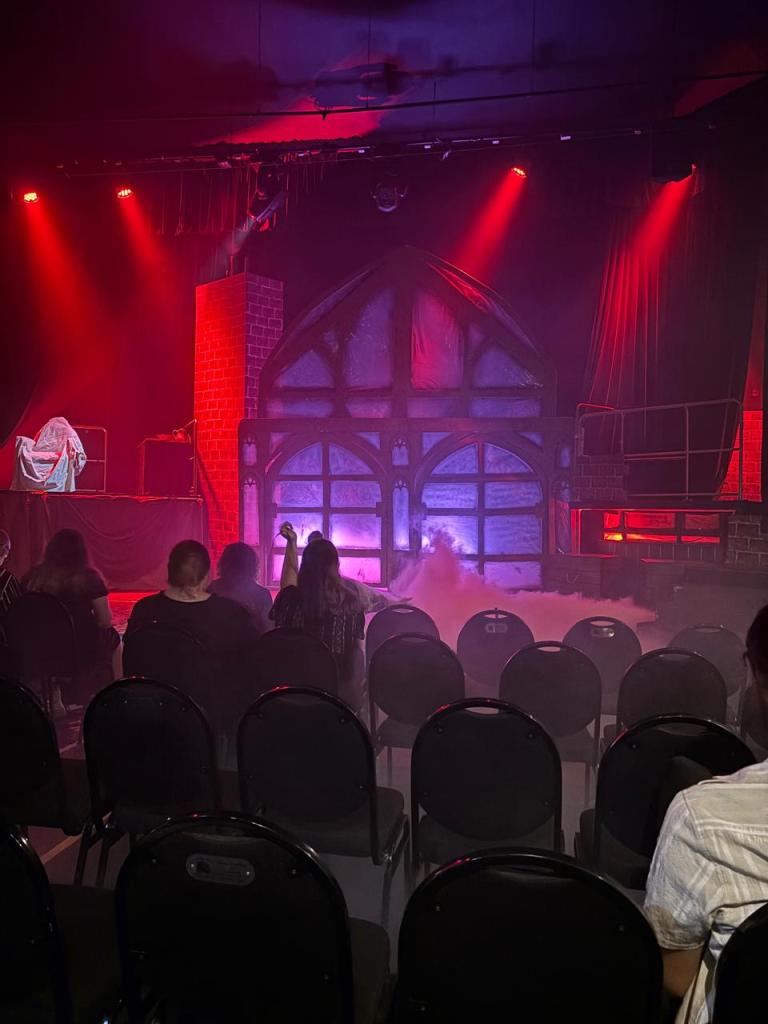
That message continues to resonate because every audience contains people who have felt different at some point in their lives.

Rocky Horror celebrates those people.

It always has.

Craig Urbani: The Magnificent Frank-N-Furter

Every production of Rocky Horror stands or falls on the strength of its Frank-N-Furter.
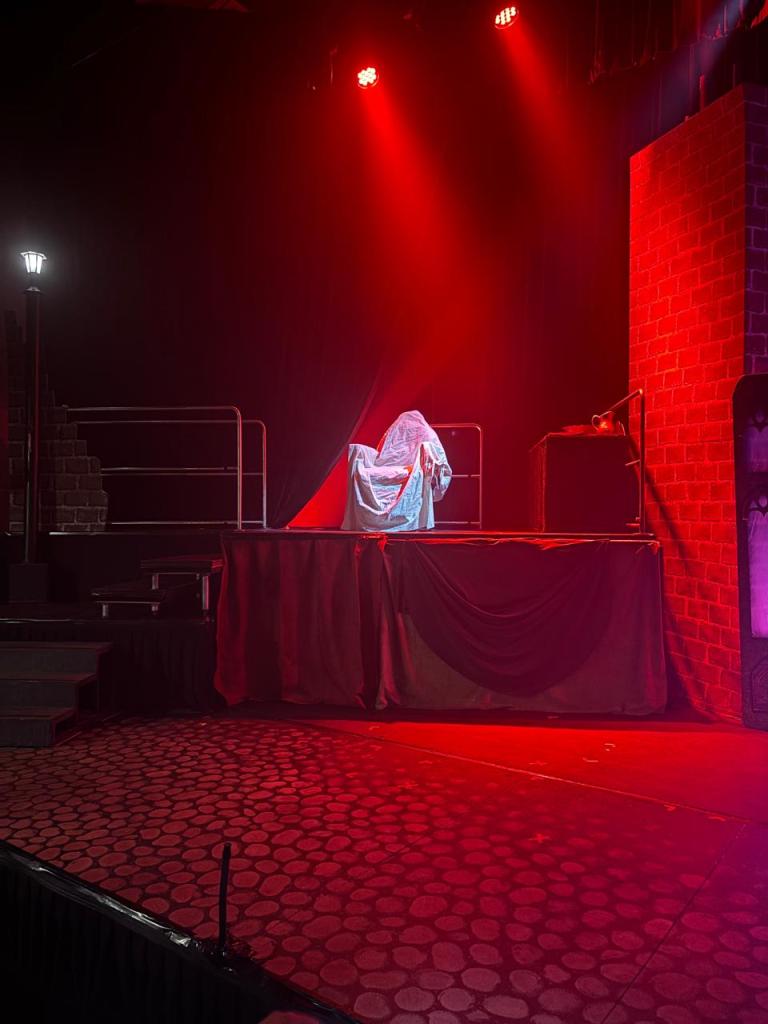
It is one of musical theatre’s most demanding roles.
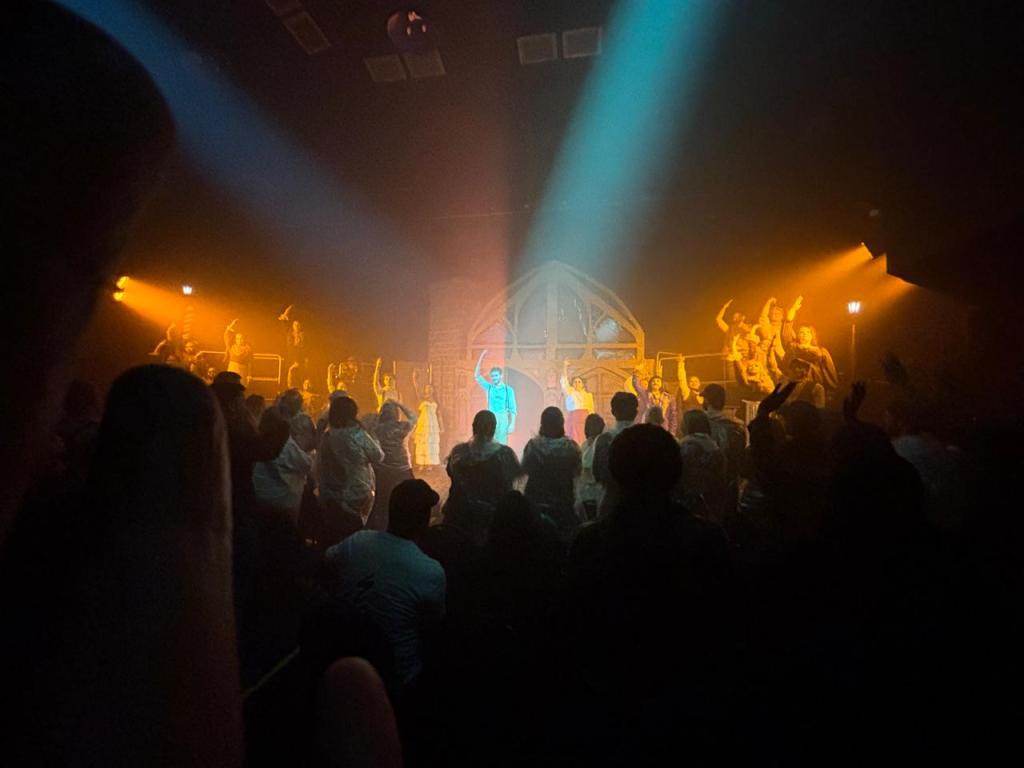
The performer must possess charisma, vocal excellence, comic timing, confidence and an almost supernatural ability to command attention.

Craig Urbani possesses all of those qualities in abundance.

His Frank-N-Furter is sensational.

The moment he stepped onto the stage, the atmosphere changed.

The audience leaned forward.

Eyes widened.

Smiles spread.

The room belonged to him.

Urbani does not simply perform Frank-N-Furter.

He inhabits him.

He struts.

He prowls.

He seduces.

He mocks.

He dazzles.

His performance of Sweet Transvestite was one of the defining moments of the evening, a masterclass in theatrical confidence and stage presence.

Yet beneath the glamour lies remarkable craftsmanship.

Every gesture feels intentional.

Every line lands perfectly.

Every musical phrase is delivered with precision.

This is a performer operating at the height of his powers.

Janet and Brad: The Heart of the Story

Amid all the madness stand two ordinary people.

Janet Weiss and Brad Majors.

They are our guides into this extraordinary world.

Léa Blerk delivers a magnificent Janet Weiss.

Her transformation from innocent sweetheart to liberated participant in Frank-N-Furter’s world is one of the production’s most fascinating journeys.

She captures Janet’s vulnerability, curiosity and awakening with remarkable skill and confidence.

Robert Everson brings warmth, sincerity and excellent comic timing to Brad Majors.

As the increasingly bewildered fiancé attempting to make sense of the insanity unfolding around him, Everson generates enormous laughter while maintaining the character’s humanity.

Together they provide the emotional anchor of the production.

Without Brad and Janet, the audience has no compass.

Without Léa Blerk and Robert Everson, the story loses its heart.

The Extraordinary Residents of the Castle

The supporting cast deserves enormous praise.

Schoeman Smit delivers a wonderfully sinister and eccentric Riff Raff.

Jasmine Minter shines as Magenta, balancing mystery, mischief and theatrical flair.

Anna Oliver brings infectious energy and heart to Columbia, creating one of the production’s most memorable presences.

Micah Stojakovic impresses as Rocky, embracing both the physicality and larger-than-life absurdity of Frank-N-Furter’s creation.

Zak Hendriks demonstrates tremendous versatility and comic energy throughout the evening.

Each performer contributes something unique.

Each helps build the wonderfully bizarre ecosystem that makes Rocky Horror work.

The Ensemble: The Lifeblood of the Production

Great musicals are built on ensemble excellence.

This production possesses it in abundance.

Alessia Gironi.

Anne Power.

Gabriella Knight.

Miguel De Sampaio.

Sasha Duffy.

Taya Pearson.

Tjaart Van Der Walt.

Together with the principal cast, they transform every scene into a living, breathing spectacle.

Whether singing, dancing, moving scenery or creating atmosphere, their contribution is invaluable.

The audience naturally notices the stars.

The theatre community understands the importance of the ensemble.

These performers are the engine room of the production.

Every movement matters.

Every harmony matters.

Every entrance matters.

Their commitment elevates the entire show.

The Music: A Soundtrack for Outsiders

Part of Rocky Horror’s enduring brilliance lies in its score.

The songs are unforgettable.

Science Fiction Double Feature immediately establishes the show’s love affair with classic B-movie horror and science-fiction cinema.

Dammit Janet introduces Brad and Janet’s seemingly perfect world.

Over at the Frankenstein Place creates mystery and anticipation.

Then comes The Time Warp.

One of the most iconic songs in musical theatre history.

The audience erupted.

Generations know the lyrics.

Generations know the dance.

Generations continue to celebrate its glorious absurdity.

Sweet Transvestite announces Frank-N-Furter’s arrival with unforgettable flair.

The Sword of Damocles introduces Rocky.

I Can Make You a Man further expands Frank’s outrageous vision.

Hot Patootie explodes with pure rock-and-roll energy.

Act Two continues the musical feast.

Touch-a Touch-a Touch Me generates enormous laughter.

Once In A While introduces a surprising emotional note.

Eddie’s Teddy injects further chaos and excitement.

Rose Tint My World transforms the stage into a surreal theatrical fantasy.

Don’t Dream It – Be It delivers the show’s central philosophy.

Wild and Untamed Thing becomes a joyous celebration of liberation.

Transit Beam accelerates the story toward its climax.

I’m Going Home provides a surprisingly touching farewell.

Finally, Science Fiction Double Feature returns to bring the journey full circle.

The score remains every bit as rebellious, infectious and exhilarating as it was decades ago.

The Creative Team Behind the Magic

Productions of this scale do not happen by accident.

They are built by artists working tirelessly behind the scenes.

Director Steven Stead deserves immense credit for understanding exactly what Rocky Horror should be.

Bold.

Funny.

Provocative.

Fearless.

Joyful.

Costume designer Terrence Bray delivers a visual feast.

The costumes are magnificent.

Extravagant.

Playful.

Daring.

Beautifully crafted.

The fishnets, corsets, sequins and outrageous designs honour Rocky Horror’s legendary aesthetic while feeling fresh and alive.

Greg King’s set design creates an extraordinary playground for the performers.

The castle becomes a character in its own right.

A place where fantasy, horror and comedy collide.

Lighting designer Faheem Bardien paints the production with colour, atmosphere and dramatic impact.

Every cue enhances the storytelling.

Every transition deepens the mood.

David Classen’s sound design ensures that every lyric, joke and musical moment lands with crystal clarity.

Kevin Kraak’s musical supervision keeps the production’s heartbeat strong from beginning to end.

Meanwhile choreographers Duane Alexander and Naolin Quinzin infuse the show with movement, rhythm and infectious energy.

Their work is visible in every dance sequence and every moment of physical storytelling.

The audience may applaud the performers.

The theatre community understands that productions like this are collective achievements.

Every department matters.

Every artist contributes.

Every creative hand leaves fingerprints on the final masterpiece.

Why Rocky Horror Endures

Many productions fade with time.

Rocky Horror refuses.

More than half a century after its debut, it remains one of the most beloved cult musicals ever created.

The reason is simple.

It celebrates freedom.

Not political freedom.

Not social freedom.

Personal freedom.

The freedom to be strange.

The freedom to be different.

The freedom to be unapologetically yourself.

Long before such conversations became commonplace, Rocky Horror was encouraging audiences to embrace individuality.

Its message remains timeless because the human desire for acceptance is timeless.

Final Curtain

The Rocky Horror Show is not conventional theatre.

It is not polite theatre.

It is not safe theatre.

It is joyous theatre.

It is rebellious theatre.

It is theatre wearing fishnet stockings and high heels while laughing directly in the face of convention.

This production at the Pieter Toerien Theatre was a triumph.

Craig Urbani delivered a star-making performance as Frank-N-Furter.

Léa Blerk and Robert Everson anchored the production with warmth, sincerity and charm.

Schoeman Smit, Jasmine Minter, Anna Oliver, Micah Stojakovic and Zak Hendriks enriched every scene they entered.

Alessia Gironi, Anne Power, Gabriella Knight, Miguel De Sampaio, Sasha Duffy, Taya Pearson and Tjaart Van Der Walt helped create an ensemble worthy of celebration.

Steven Stead and his creative team delivered a production overflowing with imagination, craftsmanship and joy.

By the final curtain, one truth remained undeniable.

Rocky Horror is not merely a musical.

It is an experience.

A celebration.

A declaration.

A glorious invitation to embrace the strange, reject conformity and dance proudly to the rhythm of your own Time Warp.

And on this unforgettable evening at Montecasino, the invitation was impossible to refuse.

Congratulations Steven Stead and the whole team for a great show and a deserved standing ovation. 

📸 : SamSays 

The Rocky Horror Show

THE ROCKY HORROR SHOW

A Glorious Celebration of Freedom, Fantasy and Theatrical Anarchy

There are productions that entertain.

There are productions that move audiences.

And then there are productions that arrive like a glitter-covered meteor crashing through the roof of convention itself.

The Rocky Horror Show is one of those productions.

On the same day that I had experienced the emotional weight and dramatic intensity of theatre elsewhere, I found myself once again seated at the Pieter Toerien Theatre at Montecasino. Yet what unfolded before me could not have been more different. Where tragedy had demanded reflection, Rocky Horror demanded surrender.

Surrender to laughter.

Surrender to absurdity.

Surrender to music.

Surrender to freedom.

From the moment the house lights dimmed and the opening notes of Science Fiction Double Feature echoed through the theatre, it became clear that this was not simply a musical.

It was a celebration.

A carnival of imagination.

A love letter to outsiders.

A joyous rebellion against conformity.

And what a rebellion it was.

Fishnets, Corsets and Fair Warning

Before a single note was sung and before a single spotlight illuminated the stage, there was already a sense that this evening was going to be unlike any other.

The foyer itself felt like an extension of the performance.

Audience members arrived dressed for the occasion. Corsets. Fishnet stockings. Sequins. Leather. Feather boas. Elaborate makeup. The line between audience and performer seemed to disappear long before the curtain rose.

For those attending Rocky Horror for the first time, the experience can initially be surprising. There were men confidently dressed in fishnets and corsets, women embracing extravagant costumes and theatre lovers celebrating self-expression in all its forms.

At first glance it can feel unusual.

Then, very quickly, it becomes part of the joy.

Because Rocky Horror has never been interested in convention.

It has never asked permission to be different.

It has always celebrated individuality, freedom and the courage to embrace one’s authentic self.

Yet it is important to state clearly that this production is not intended for children.

The age restriction exists for good reason.

Parents considering bringing younger children should think carefully before purchasing tickets.

Rocky Horror is filled with adult humour, sexual innuendo, provocative costumes, suggestive choreography and themes designed for mature audiences. There are moments that will have adults roaring with laughter while simultaneously wondering whether they should be laughing quite so hard.

The show delights in making audiences blush.

It enjoys pushing boundaries.

It revels in discomfort before transforming that discomfort into comedy.

None of it feels malicious.

None of it exists merely to shock.

Rather, it is part of Rocky Horror’s long-standing tradition of challenging social norms and encouraging audiences to question why certain things make us uncomfortable in the first place.

This is not family theatre.

This is cult theatre.

Wild.

Untamed.

Unapologetic.

And all the more entertaining because of it.

The Strange and Wonderful World of Rocky Horror

For more than fifty years, Richard O’Brien’s creation has occupied a unique place in theatre history.

Part science-fiction parody.

Part horror comedy.

Part rock concert.

Part social revolution.

Rocky Horror gleefully tears apart expectations and invites audiences into a world where absolutely anything feels possible.

There are aliens.

There are mad scientists.

There are strange experiments.

There are creatures stitched together from fantasy and desire.

And at the centre of it all lies a message that has allowed the show to survive generation after generation.

Be yourself.

Without apology.

Without compromise.

Without fear.

That message continues to resonate because every audience contains people who have felt different at some point in their lives.

Rocky Horror celebrates those people.

It always has.

Craig Urbani: The Magnificent Frank-N-Furter

Every production of Rocky Horror stands or falls on the strength of its Frank-N-Furter.

It is one of musical theatre’s most demanding roles.

The performer must possess charisma, vocal excellence, comic timing, confidence and an almost supernatural ability to command attention.

Craig Urbani possesses all of those qualities in abundance.

His Frank-N-Furter is sensational.

The moment he stepped onto the stage, the atmosphere changed.

The audience leaned forward.

Eyes widened.

Smiles spread.

The room belonged to him.

Urbani does not simply perform Frank-N-Furter.

He inhabits him.

He struts.

He prowls.

He seduces.

He mocks.

He dazzles.

His performance of Sweet Transvestite was one of the defining moments of the evening, a masterclass in theatrical confidence and stage presence.

Yet beneath the glamour lies remarkable craftsmanship.

Every gesture feels intentional.

Every line lands perfectly.

Every musical phrase is delivered with precision.

This is a performer operating at the height of his powers.

Janet and Brad: The Heart of the Story

Amid all the madness stand two ordinary people.

Janet Weiss and Brad Majors.

They are our guides into this extraordinary world.

Léa Blerk delivers a magnificent Janet Weiss.

Her transformation from innocent sweetheart to liberated participant in Frank-N-Furter’s world is one of the production’s most fascinating journeys.

She captures Janet’s vulnerability, curiosity and awakening with remarkable skill and confidence.

Robert Everson brings warmth, sincerity and excellent comic timing to Brad Majors.

As the increasingly bewildered fiancé attempting to make sense of the insanity unfolding around him, Everson generates enormous laughter while maintaining the character’s humanity.

Together they provide the emotional anchor of the production.

Without Brad and Janet, the audience has no compass.

Without Léa Blerk and Robert Everson, the story loses its heart.

The Extraordinary Residents of the Castle

The supporting cast deserves enormous praise.

Schoeman Smit delivers a wonderfully sinister and eccentric Riff Raff.

Jasmine Minter shines as Magenta, balancing mystery, mischief and theatrical flair.

Anna Oliver brings infectious energy and heart to Columbia, creating one of the production’s most memorable presences.

Micah Stojakovic impresses as Rocky, embracing both the physicality and larger-than-life absurdity of Frank-N-Furter’s creation.

Zak Hendriks demonstrates tremendous versatility and comic energy throughout the evening.

Each performer contributes something unique.

Each helps build the wonderfully bizarre ecosystem that makes Rocky Horror work.

The Ensemble: The Lifeblood of the Production

Great musicals are built on ensemble excellence.

This production possesses it in abundance.

Alessia Gironi.

Anne Power.

Gabriella Knight.

Miguel De Sampaio.

Sasha Duffy.

Taya Pearson.

Tjaart Van Der Walt.

Together with the principal cast, they transform every scene into a living, breathing spectacle.

Whether singing, dancing, moving scenery or creating atmosphere, their contribution is invaluable.

The audience naturally notices the stars.

The theatre community understands the importance of the ensemble.

These performers are the engine room of the production.

Every movement matters.

Every harmony matters.

Every entrance matters.

Their commitment elevates the entire show.

The Music: A Soundtrack for Outsiders

Part of Rocky Horror’s enduring brilliance lies in its score.

The songs are unforgettable.

Science Fiction Double Feature immediately establishes the show’s love affair with classic B-movie horror and science-fiction cinema.

Dammit Janet introduces Brad and Janet’s seemingly perfect world.

Over at the Frankenstein Place creates mystery and anticipation.

Then comes The Time Warp.

One of the most iconic songs in musical theatre history.

The audience erupted.

Generations know the lyrics.

Generations know the dance.

Generations continue to celebrate its glorious absurdity.

Sweet Transvestite announces Frank-N-Furter’s arrival with unforgettable flair.

The Sword of Damocles introduces Rocky.

I Can Make You a Man further expands Frank’s outrageous vision.

Hot Patootie explodes with pure rock-and-roll energy.

Act Two continues the musical feast.

Touch-a Touch-a Touch Me generates enormous laughter.

Once In A While introduces a surprising emotional note.

Eddie’s Teddy injects further chaos and excitement.

Rose Tint My World transforms the stage into a surreal theatrical fantasy.

Don’t Dream It – Be It delivers the show’s central philosophy.

Wild and Untamed Thing becomes a joyous celebration of liberation.

Transit Beam accelerates the story toward its climax.

I’m Going Home provides a surprisingly touching farewell.

Finally, Science Fiction Double Feature returns to bring the journey full circle.

The score remains every bit as rebellious, infectious and exhilarating as it was decades ago.

The Creative Team Behind the Magic

Productions of this scale do not happen by accident.

They are built by artists working tirelessly behind the scenes.

Director Steven Stead deserves immense credit for understanding exactly what Rocky Horror should be.

Bold.

Funny.

Provocative.

Fearless.

Joyful.

Costume designer Terrence Bray delivers a visual feast.

The costumes are magnificent.

Extravagant.

Playful.

Daring.

Beautifully crafted.

The fishnets, corsets, sequins and outrageous designs honour Rocky Horror’s legendary aesthetic while feeling fresh and alive.

Greg King’s set design creates an extraordinary playground for the performers.

The castle becomes a character in its own right.

A place where fantasy, horror and comedy collide.

Lighting designer Faheem Bardien paints the production with colour, atmosphere and dramatic impact.

Every cue enhances the storytelling.

Every transition deepens the mood.

David Classen’s sound design ensures that every lyric, joke and musical moment lands with crystal clarity.

Kevin Kraak’s musical supervision keeps the production’s heartbeat strong from beginning to end.

Meanwhile choreographers Duane Alexander and Naolin Quinzin infuse the show with movement, rhythm and infectious energy.

Their work is visible in every dance sequence and every moment of physical storytelling.

The audience may applaud the performers.

The theatre community understands that productions like this are collective achievements.

Every department matters.

Every artist contributes.

Every creative hand leaves fingerprints on the final masterpiece.

Why Rocky Horror Endures

Many productions fade with time.

Rocky Horror refuses.

More than half a century after its debut, it remains one of the most beloved cult musicals ever created.

The reason is simple.

It celebrates freedom.

Not political freedom.

Not social freedom.

Personal freedom.

The freedom to be strange.

The freedom to be different.

The freedom to be unapologetically yourself.

Long before such conversations became commonplace, Rocky Horror was encouraging audiences to embrace individuality.

Its message remains timeless because the human desire for acceptance is timeless.

Final Curtain

The Rocky Horror Show is not conventional theatre.

It is not polite theatre.

It is not safe theatre.

It is joyous theatre.

It is rebellious theatre.

It is theatre wearing fishnet stockings and high heels while laughing directly in the face of convention.

This production at the Pieter Toerien Theatre was a triumph.

Craig Urbani delivered a star-making performance as Frank-N-Furter.

Léa Blerk and Robert Everson anchored the production with warmth, sincerity and charm.

Schoeman Smit, Jasmine Minter, Anna Oliver, Micah Stojakovic and Zak Hendriks enriched every scene they entered.

Alessia Gironi, Anne Power, Gabriella Knight, Miguel De Sampaio, Sasha Duffy, Taya Pearson and Tjaart Van Der Walt helped create an ensemble worthy of celebration.

Steven Stead and his creative team delivered a production overflowing with imagination, craftsmanship and joy.

By the final curtain, one truth remained undeniable.

Rocky Horror is not merely a musical.

It is an experience.

A celebration.

A declaration.

A glorious invitation to embrace the strange, reject conformity and dance proudly to the rhythm of your own Time Warp.

And on this unforgettable evening at Montecasino, the invitation was impossible to refuse.

Congratulations Steven Stead and the whole team for a great show and a deserved standing ovation. 

📸 : SamSays 

Midnight In Parys

Midnight in Parys: A Meditation on Life, Death, Compassion and the Human Heart

There are evenings in the theatre that entertain. There are evenings that impress. And then there are evenings that stay with you long after the curtain call, following you home, lingering in your thoughts, demanding reflection and conversation.

Midnight in Parys, the latest play by South African theatrical giant Paul Slabolepszy, belongs firmly in that final category.

Presented at the intimate Studio Theatre of Pieter Toerien’s Montecasino Theatre complex and directed with precision and sensitivity by Bobby Heaney, this production is a triumph of writing, performance and humanity. Starring Bianca Amato and Paul Slabolepszy himself, Midnight in Parys is at once thoughtful, witty, heartbreaking and profoundly compassionate. It is a play that refuses easy answers while offering something perhaps even more valuable: understanding.

For those fortunate enough to have attended the opening performance, the experience felt less like watching a play and more like being invited into the private lives of two deeply complex individuals whose stories slowly unfold before us.

And what stories they are.

The Master at Work

Paul Slabolepszy occupies rare territory within South African theatre.

Over decades he has built a body of work distinguished not by spectacle or gimmickry but by his unwavering commitment to character. His greatest gift as a playwright has always been his ability to write people rather than archetypes.

His characters breathe.

They contradict themselves.

They make mistakes.

They carry wounds.

They reveal truths accidentally.

They hide behind humour.

They speak the language of real human beings.

In Midnight in Parys, Slabolepszy demonstrates once again why he stands among the most important playwrights South Africa has ever produced. The play’s dialogue is rich with wit, observation and emotional intelligence. Every revelation feels earned. Every conversation feels authentic.

The script trusts its audience.

Rather than overwhelming viewers with exposition, it allows relationships to develop organically. We spend time with the characters. We learn who they are. We begin to understand what motivates them. Then, just when we believe we have figured them out, new revelations emerge that reshape everything we thought we knew.

This is writing of the highest order.

Not because it is flashy.

Because it is honest.

“Thabiso” – A Personal Beginning

The evening began with a moment that immediately established a unique connection.

Early in the performance, the name “Thabiso” is mentioned and explored.

“It means joy.”

For me, that moment landed with unexpected force.

I am Thabiso.

To hear my own name spoken from the stage, and to hear its meaning acknowledged, created an instant bond with the work. It felt personal. It felt intimate.

I was overjoyed.

I was smiling before the story had even properly begun.

And from that moment forward I was completely invested.

Theatre possesses a unique ability to make audiences feel seen. Sometimes this happens through grand themes. Sometimes it happens through a single word.

That brief moment reminded me why live performance remains so powerful.

The stage reached out and shook hands with my own life.

I was hooked from the very beginning.

The Characters: Strangers Who Become Family

One of the production’s greatest achievements lies in its patient construction of character.

As audience members, we do not merely observe these individuals.

We come to know them.

The play grants us access to their fears, regrets, humour and vulnerabilities. Through carefully structured conversations and revelations, layers are peeled away until the audience finds itself emotionally invested in every decision and every confession.

The brilliance of the script lies in the fact that neither character exists simply to advance a plot.

Instead, the plot emerges from who they are.

Their histories matter.

Their choices matter.

Their emotional scars matter.

Their hopes matter.

As the evening progresses, the audience moves closer and closer to them until certain revelations provoke genuine gasps. Not because the twists are sensational, but because they carry emotional weight.

We care.

And because we care, the discoveries hit harder.

Exploring Euthanasia, Dignity and Moral Complexity

At its heart, Midnight in Parys grapples with profound questions.

Among the most significant is euthanasia and the difficult moral territory surrounding end-of-life decisions.

These are not simple issues.

Nor does the play pretend that they are.

Instead, Slabolepszy approaches the subject with remarkable empathy and intelligence. The script explores the tension between suffering and dignity, autonomy and responsibility, compassion and consequence.

It asks difficult questions.

Who gets to decide when suffering has become unbearable?

What does mercy truly mean?

Can helping someone die ever be an act of love?

Where do morality and compassion intersect?

The play offers no simplistic verdict.

Instead, it trusts audiences to wrestle with these questions themselves.

That trust is one of the work’s greatest strengths.

Self-Defence, Survival and Human Choice

The production also explores the concept of self-defence and the circumstances that push ordinary people toward extraordinary actions.

Again, Slabolepszy avoids easy judgement.

His characters are not symbols in an argument.

They are human beings confronting impossible situations.

The audience is invited to consider how individuals respond when placed under pressure and what choices become possible when survival is at stake.

The result is a work that feels deeply humane.

Rather than asking viewers to condemn or excuse, it asks them to understand.

Bianca Amato: A Performance of Extraordinary Depth

Having previously witnessed Bianca Amato in A Doll’s House, Part 2, I arrived with high expectations.

She exceeded them.

Amato delivers a performance of remarkable intelligence and emotional precision. Every line feels considered. Every silence carries meaning. Every gesture reveals character.

She possesses that rare ability to command attention without demanding it.

Her performance unfolds gradually, allowing emotional truths to emerge naturally rather than being forced upon the audience.

As revelations accumulate, she navigates the shifting emotional landscape with extraordinary confidence.

There is tremendous technical skill on display, but what audiences ultimately remember is the humanity.

The character feels real.

Completely real.

And that is perhaps the highest compliment one can offer an actor.

Paul Slabolepszy: The Playwright as Performer

Seeing Paul Slabolepszy perform his own work is a special experience.

The words carry an additional resonance because they originate from the very person speaking them.

Yet what makes his performance memorable is not the novelty of the playwright appearing on stage.

It is the quality of the acting itself.

Slabolepszy brings warmth, vulnerability, humour and emotional authenticity to the role. Decades of theatrical experience are evident in every moment.

His command of timing is masterful.

His understanding of silence is impeccable.

His ability to move between comedy and pathos feels effortless.

This was my first opportunity to watch him perform live.

It was an honour.

It was a privilege.

And it offered a powerful reminder that great playwrights often possess a profound understanding of performance because they understand people.

Bobby Heaney’s Direction

A script this rich requires direction that understands restraint.

Bobby Heaney provides exactly that.

His work never overshadows the material.

Instead, it elevates it.

The pacing allows tension to build naturally. Emotional moments are given room to breathe. Revelations land with impact because the production understands the value of patience.

The direction trusts both the actors and the audience.

In an age where many productions fear stillness, Heaney embraces it.

The result is a production that feels confident, mature and deeply engaging.

The Set: Intimacy as Strength

The Studio Theatre at Pieter Toerien proves the perfect home for this production.

The intimate environment creates a sense of closeness rarely achievable in larger venues.

There is nowhere to hide.

Not for the actors.

Not for the audience.

Every expression becomes visible.

Every shift in emotion becomes meaningful.

Every silence becomes palpable.

The set design complements this intimacy beautifully.

Rather than distracting from the story, it serves it. The environment feels lived in, believable and emotionally resonant.

The audience is not simply watching a location.

They are inhabiting it alongside the characters.

Lighting and Atmosphere

The lighting design deserves special praise.

Subtle and purposeful, it shapes mood without drawing attention to itself.

Changes in tone and emotional temperature are reflected through carefully considered lighting choices that guide the audience’s experience almost subconsciously.

The result is an atmosphere that feels immersive and emotionally textured.

Combined with the intimacy of the venue, the lighting helps create a world that feels simultaneously theatrical and deeply real.

A Play That Understands Humanity

Perhaps the greatest achievement of Midnight in Parys is its empathy.

The play understands people.

It understands loneliness.

It understands fear.

It understands regret.

It understands compassion.

Most importantly, it understands that human beings are rarely simple.

The work does not divide the world into heroes and villains.

Instead, it presents flawed individuals doing their best within circumstances that are often messy and painful.

There is healing in that perspective.

There is comfort in being reminded that complexity is part of being human.

The play feels.

The play listens.

The play understands.

And in understanding its characters, it understands its audience as well.

A Night to Remember

The opening performance of Midnight in Parys was more than an evening of theatre.

It was an encounter with great writing.

Great acting.

Great direction.

And great humanity.

It reminded me why Paul Slabolepszy remains one of South Africa’s theatrical immortals.

It confirmed Bianca Amato’s place among the country’s finest performers.

It showcased Bobby Heaney’s skill as a director of intelligence and restraint.

Most importantly, it demonstrated the enduring power of theatre to bring strangers together and allow them, for a few precious hours, to share in the emotional lives of others.

I attended the performance with SamSays, whose name fittingly appears in the credits, and together we witnessed something special.

Not merely a play.

An experience.

One of the finest days I have spent in a theatre.

A production that challenged, moved and inspired.

A production that left me thinking long after the final bow.

A production that reminded me exactly why we keep coming back to the theatre.

Because sometimes, in a darkened room, surrounded by strangers, we find pieces of ourselves reflected back from the stage.

And when that happens, theatre becomes something more than entertainment.

It becomes joy.

It becomes understanding.

It becomes healing.

It becomes unforgettable.

Congratulations Bobby Heaney for a great show and a deserved standing ovation.

📸 : SamSays 

Midnight In Parys

Midnight in Parys: A Meditation on Life, Death, Compassion and the Human Heart

There are evenings in the theatre that entertain. There are evenings that impress. And then there are evenings that stay with you long after the curtain call, following you home, lingering in your thoughts, demanding reflection and conversation.

Midnight in Parys, the latest play by South African theatrical giant Paul Slabolepszy, belongs firmly in that final category.

Presented at the intimate Studio Theatre of Pieter Toerien’s Montecasino Theatre complex and directed with precision and sensitivity by Bobby Heaney, this production is a triumph of writing, performance and humanity. Starring Bianca Amato and Paul Slabolepszy himself, Midnight in Parys is at once thoughtful, witty, heartbreaking and profoundly compassionate. It is a play that refuses easy answers while offering something perhaps even more valuable: understanding.

For those fortunate enough to have attended the opening performance, the experience felt less like watching a play and more like being invited into the private lives of two deeply complex individuals whose stories slowly unfold before us.

And what stories they are.

The Master at Work

Paul Slabolepszy occupies rare territory within South African theatre.

Over decades he has built a body of work distinguished not by spectacle or gimmickry but by his unwavering commitment to character. His greatest gift as a playwright has always been his ability to write people rather than archetypes.

His characters breathe.

They contradict themselves.

They make mistakes.

They carry wounds.

They reveal truths accidentally.

They hide behind humour.

They speak the language of real human beings.

In Midnight in Parys, Slabolepszy demonstrates once again why he stands among the most important playwrights South Africa has ever produced. The play’s dialogue is rich with wit, observation and emotional intelligence. Every revelation feels earned. Every conversation feels authentic.

The script trusts its audience.

Rather than overwhelming viewers with exposition, it allows relationships to develop organically. We spend time with the characters. We learn who they are. We begin to understand what motivates them. Then, just when we believe we have figured them out, new revelations emerge that reshape everything we thought we knew.

This is writing of the highest order.

Not because it is flashy.

Because it is honest.

“Thabiso” – A Personal Beginning

The evening began with a moment that immediately established a unique connection.

Early in the performance, the name “Thabiso” is mentioned and explored.

“It means joy.”

For me, that moment landed with unexpected force.

I am Thabiso.

To hear my own name spoken from the stage, and to hear its meaning acknowledged, created an instant bond with the work. It felt personal. It felt intimate.

I was overjoyed.

I was smiling before the story had even properly begun.

And from that moment forward I was completely invested.

Theatre possesses a unique ability to make audiences feel seen. Sometimes this happens through grand themes. Sometimes it happens through a single word.

That brief moment reminded me why live performance remains so powerful.

The stage reached out and shook hands with my own life.

I was hooked from the very beginning.

The Characters: Strangers Who Become Family

One of the production’s greatest achievements lies in its patient construction of character.

As audience members, we do not merely observe these individuals.

We come to know them.

The play grants us access to their fears, regrets, humour and vulnerabilities. Through carefully structured conversations and revelations, layers are peeled away until the audience finds itself emotionally invested in every decision and every confession.

The brilliance of the script lies in the fact that neither character exists simply to advance a plot.

Instead, the plot emerges from who they are.

Their histories matter.

Their choices matter.

Their emotional scars matter.

Their hopes matter.

As the evening progresses, the audience moves closer and closer to them until certain revelations provoke genuine gasps. Not because the twists are sensational, but because they carry emotional weight.

We care.

And because we care, the discoveries hit harder.

Exploring Euthanasia, Dignity and Moral Complexity

At its heart, Midnight in Parys grapples with profound questions.

Among the most significant is euthanasia and the difficult moral territory surrounding end-of-life decisions.

These are not simple issues.

Nor does the play pretend that they are.

Instead, Slabolepszy approaches the subject with remarkable empathy and intelligence. The script explores the tension between suffering and dignity, autonomy and responsibility, compassion and consequence.

It asks difficult questions.

Who gets to decide when suffering has become unbearable?

What does mercy truly mean?

Can helping someone die ever be an act of love?

Where do morality and compassion intersect?

The play offers no simplistic verdict.

Instead, it trusts audiences to wrestle with these questions themselves.

That trust is one of the work’s greatest strengths.

Self-Defence, Survival and Human Choice

The production also explores the concept of self-defence and the circumstances that push ordinary people toward extraordinary actions.

Again, Slabolepszy avoids easy judgement.

His characters are not symbols in an argument.

They are human beings confronting impossible situations.

The audience is invited to consider how individuals respond when placed under pressure and what choices become possible when survival is at stake.

The result is a work that feels deeply humane.

Rather than asking viewers to condemn or excuse, it asks them to understand.

Bianca Amato: A Performance of Extraordinary Depth

Having previously witnessed Bianca Amato in A Doll’s House, Part 2, I arrived with high expectations.

She exceeded them.

Amato delivers a performance of remarkable intelligence and emotional precision. Every line feels considered. Every silence carries meaning. Every gesture reveals character.

She possesses that rare ability to command attention without demanding it.

Her performance unfolds gradually, allowing emotional truths to emerge naturally rather than being forced upon the audience.

As revelations accumulate, she navigates the shifting emotional landscape with extraordinary confidence.

There is tremendous technical skill on display, but what audiences ultimately remember is the humanity.

The character feels real.

Completely real.

And that is perhaps the highest compliment one can offer an actor.

Paul Slabolepszy: The Playwright as Performer

Seeing Paul Slabolepszy perform his own work is a special experience.

The words carry an additional resonance because they originate from the very person speaking them.

Yet what makes his performance memorable is not the novelty of the playwright appearing on stage.

It is the quality of the acting itself.

Slabolepszy brings warmth, vulnerability, humour and emotional authenticity to the role. Decades of theatrical experience are evident in every moment.

His command of timing is masterful.

His understanding of silence is impeccable.

His ability to move between comedy and pathos feels effortless.

This was my first opportunity to watch him perform live.

It was an honour.

It was a privilege.

And it offered a powerful reminder that great playwrights often possess a profound understanding of performance because they understand people.

Bobby Heaney’s Direction

A script this rich requires direction that understands restraint.

Bobby Heaney provides exactly that.

His work never overshadows the material.

Instead, it elevates it.

The pacing allows tension to build naturally. Emotional moments are given room to breathe. Revelations land with impact because the production understands the value of patience.

The direction trusts both the actors and the audience.

In an age where many productions fear stillness, Heaney embraces it.

The result is a production that feels confident, mature and deeply engaging.

The Set: Intimacy as Strength

The Studio Theatre at Pieter Toerien proves the perfect home for this production.

The intimate environment creates a sense of closeness rarely achievable in larger venues.

There is nowhere to hide.

Not for the actors.

Not for the audience.

Every expression becomes visible.

Every shift in emotion becomes meaningful.

Every silence becomes palpable.

The set design complements this intimacy beautifully.

Rather than distracting from the story, it serves it. The environment feels lived in, believable and emotionally resonant.

The audience is not simply watching a location.

They are inhabiting it alongside the characters.

Lighting and Atmosphere

The lighting design deserves special praise.

Subtle and purposeful, it shapes mood without drawing attention to itself.

Changes in tone and emotional temperature are reflected through carefully considered lighting choices that guide the audience’s experience almost subconsciously.

The result is an atmosphere that feels immersive and emotionally textured.

Combined with the intimacy of the venue, the lighting helps create a world that feels simultaneously theatrical and deeply real.

A Play That Understands Humanity

Perhaps the greatest achievement of Midnight in Parys is its empathy.

The play understands people.

It understands loneliness.

It understands fear.

It understands regret.

It understands compassion.

Most importantly, it understands that human beings are rarely simple.

The work does not divide the world into heroes and villains.

Instead, it presents flawed individuals doing their best within circumstances that are often messy and painful.

There is healing in that perspective.

There is comfort in being reminded that complexity is part of being human.

The play feels.

The play listens.

The play understands.

And in understanding its characters, it understands its audience as well.

A Night to Remember

The opening performance of Midnight in Parys was more than an evening of theatre.

It was an encounter with great writing.

Great acting.

Great direction.

And great humanity.

It reminded me why Paul Slabolepszy remains one of South Africa’s theatrical immortals.

It confirmed Bianca Amato’s place among the country’s finest performers.

It showcased Bobby Heaney’s skill as a director of intelligence and restraint.

Most importantly, it demonstrated the enduring power of theatre to bring strangers together and allow them, for a few precious hours, to share in the emotional lives of others.

I attended the performance with SamSays, whose name fittingly appears in the credits, and together we witnessed something special.

Not merely a play.

An experience.

One of the finest days I have spent in a theatre.

A production that challenged, moved and inspired.

A production that left me thinking long after the final bow.

A production that reminded me exactly why we keep coming back to the theatre.

Because sometimes, in a darkened room, surrounded by strangers, we find pieces of ourselves reflected back from the stage.

And when that happens, theatre becomes something more than entertainment.

It becomes joy.

It becomes understanding.

It becomes healing.

It becomes unforgettable.

Congratulations Bobby Heaney for a great show and a deserved standing ovation.

📸 : SamSays 

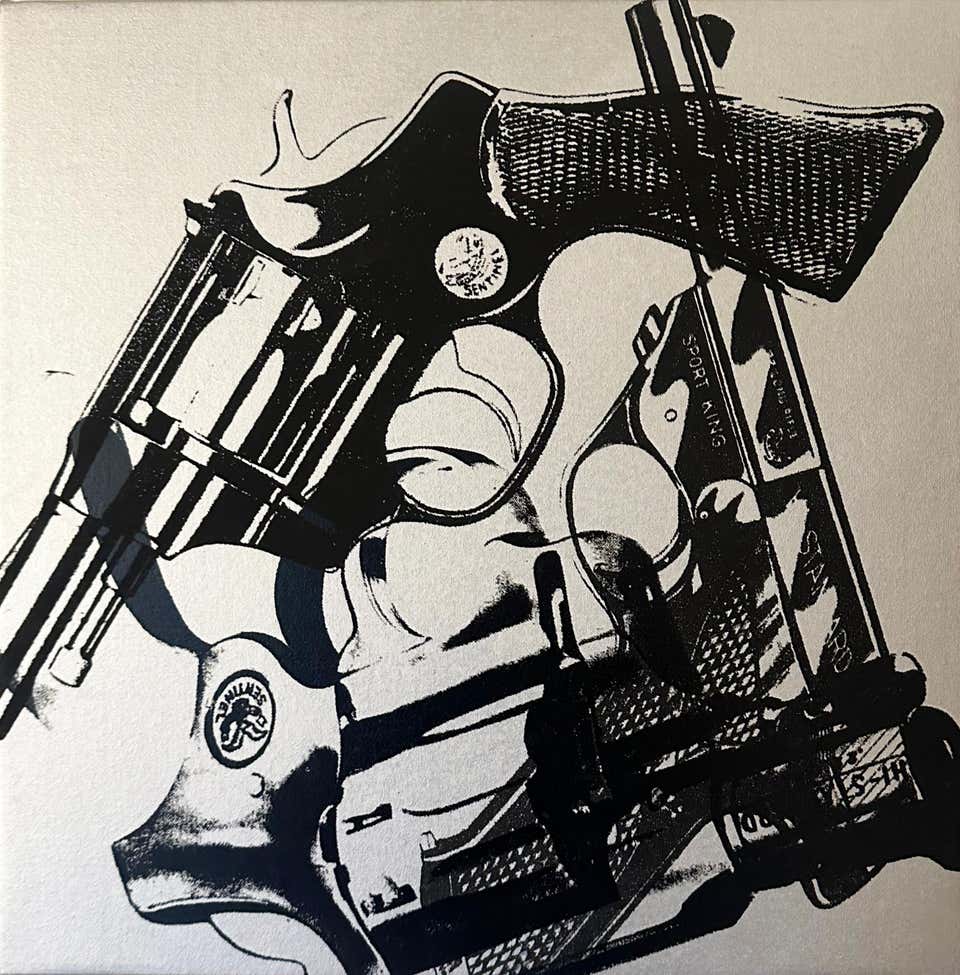
GANGSTER III: The call of the void

GANGSTER III: The call of the void

So intrusive, the call of the void. I am thinking crime, conditioned to think that’s the only way somebody like me can get ahead. I watched too much TV to know it never works out. You can never break bad even if you are Gustavo Fring because a master manipulator like Heisenberg is in the background, pulling strings detonating bombs! Even if you avoid explosions and ignite them verbally like Saul Goodman they ultimately result in life imprisonment because you are sneaky, dishonest, a co-conspirator, a shape-shifter, silver tongue devil, a scumbag criminal lawyer!

The call of the void, so intrusive, destructive. I am thinking crime but I have watched enough Scorsese to know it never works out, even if you’re Henry Hill who aspired to be a gangster all his life. Cadillac’s and double-breasted suits and you are never secured. Living a life of paranoia, death can come from anywhere, a volitile existence, your murderers come with a smile. Once Goodfellas and now you gotta rat on your friends, it’s bye-bye if you don’t – you’re gonna get whacked!

The call of the void, so intrusive but it never works out even if you are Anthony Soprano. Rose from a soldier to a Capo, to the boss! Living the dream life in a mansion with a pool with your childhood sweetheart Carmella and married with two wonderful children. The crown is heavy, it’s difficult to be number 1, you are a constant moving target, other gangsters want your crown, plagued by constant nightmares, you are a mess psychologically, trust issues and once in a while you have to shed blood to maintain the peace or you will get toppled. No room for weakness. You still die in front of your family in the end and the screen turns to black before the end of your favorite song.

The call of the void, so intrusive, I am thinking crime but that never works out even if you avoid the wire and still run the streets with your shotgun like Omar Little, the legendary cocksucker. Mr. Rob drug dealers, it’s all in the game. The tune of his whistle and everyone in the streets scatters like flees. Induces fear and is respected by the most hardened criminals. Rock solid reputation. Still got taken out by a kid, a nobody because he doesn’t fear him nor his reputation – the new ushers out the old.

The call of the void, maybe Marlow, took out Proposition Joe and won his battle with the Barksdales but lost his muscle to jail. When he came out, the world had moved on, the streets didn’t know who he was. Despite his ruthless disposition and taking out all his competition, he didn’t leave a lasting legacy, couldn’t build a self-sustaining reputation – he became another player in the game who was at the helm for a while but fell off.

Call of the void, so intrusive, I am thinking crime like the Godfather but I could never be like Vito Corleone. A reasonable man, practical, patient, fair but ruthless. A master of human nature, a strategist who plans a 100 moves ahead, an immortal who survived five shots. He knew “the black hand” was phony, he settled for less money, he is not a real mafia, he threatened Vito with the police, where’s the code of Omerta? He is taking chances. Vito played the fool to catch him off guard and took him out to begin his ascent to the top. Vito Andolini Corleone, suffered the death of his father, mother and eldest brother to the mafia, the Don. Escaped to America, made a life for himself, rose up in rank, avenged the death of his family by later killing the Don and became the boss of all bosses of the criminal underworld. He died an old man playing with his grandson in his tomato garden but also lost his eldest son in a hail of bullets.

Call of the void, so intrusive, I am thinking crime but that never works out even if you are Tony Montana and think the world is yours. The cocaine gets to your head and you think you are invincible! You kill your best friend Manolo and a rival, Sosa sends assassins and kills your sister Gina. On top of the world because of the cocaine but you die in a hail of bullets in the fountain pool of your mansion – Sosa did tell you not to cross him!

Call of the void, so intrusive, I am thinking crime. I need money, I need to start a family, time is in a hurry and I am not getting any younger.

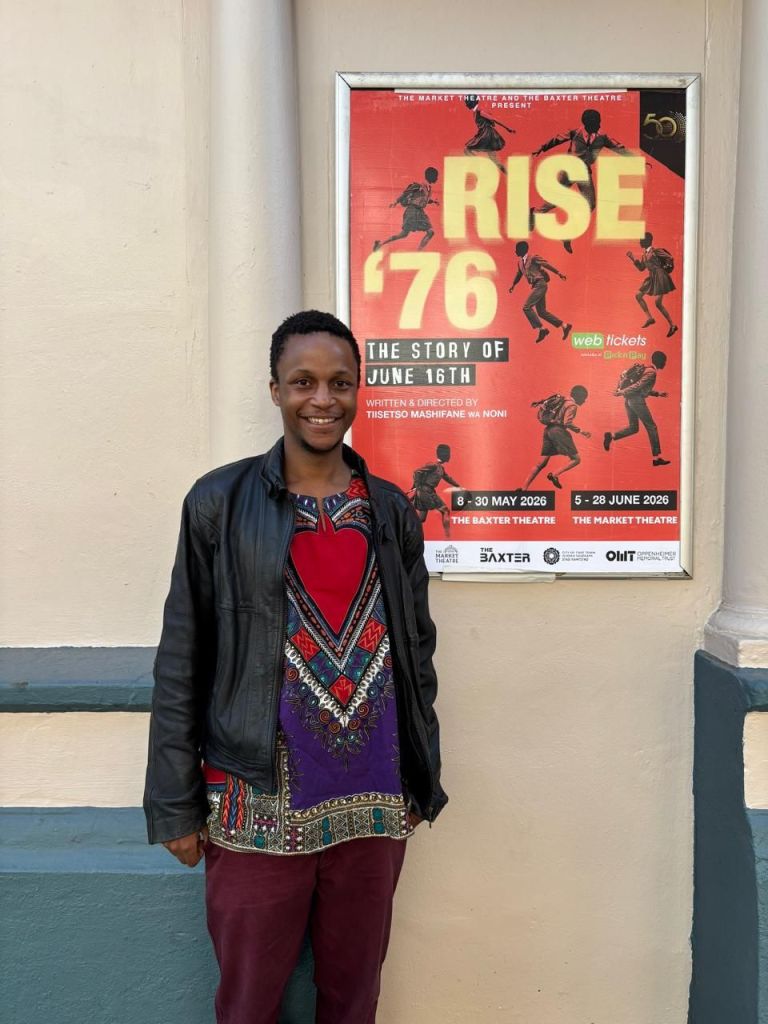
Rise ’76: The Story of June 16th — A Theatre Experience That Refuses To Let You Look Away

There are productions that entertain. There are productions that educate. And then there are productions like Rise ’76: The Story of June 16th, which reach beyond performance and become an act of collective mourning.

Currently staged at the Market Theatre, this devastating and deeply human production reconstructs the horrors of June 16, 1976 — the day school children marched against the forced implementation of Afrikaans as a medium of instruction under the apartheid government’s Bantu Education system. What begins as youthful resistance slowly descends into panic, violence and death. By the end, the audience is emotionally shattered.

Writer and director Tiisetso Mashifani wa Noni approaches the material with extraordinary care and urgency. The production understands that June 16 is not mythology. It is not a chapter in a textbook. It is trauma embedded into the DNA of South Africa. The play captures this with frightening intimacy.

The audience laughs early in the performance. There are moments of warmth, humour, innocence and youthful rebellion. The children dream. They tease one another. They speak with the fire and optimism of people who still believe change is possible. This is what makes the tragedy unbearable. The production deliberately allows the audience to fall in love with these young people before history crushes them.

Then the gunshots arrive.

And everything changes.

The sound design by Jannous Nkululeko Aukema is terrifying in its realism. Gunfire erupts through the theatre with shocking force. The screams are immediate. The panic spreads from stage to audience. In those moments, the production abandons theatrical comfort entirely. The audience does not merely observe violence — they feel trapped inside it.

Children are hunted.

Children are shot while running away.

Children as young as four years old become victims of a state that viewed Black education as a threat.

The production never sensationalises this brutality. Instead, it exposes the machinery of apartheid with brutal honesty. The police are not abstract villains here. They are agents of a violent system protecting oppression through bullets, intimidation and terror.

The cast delivers performances of astonishing discipline and emotional precision.

Alex Sono’s Bafana Buthelezi carries the emotional pulse of the production. There is vulnerability beneath the courage, and the performance beautifully captures the fear hidden inside youthful resistance.

Botlhale Mahlangu’s Alfie Ndlovu is deeply affecting, filled with spirit and innocence. The performance reminds the audience that the uprising was carried by ordinary children who simply wanted dignity.

Sbuja Dywili brings heartbreaking humanity to Melody Moloto, grounding the production emotionally and reminding audiences of the families destroyed by apartheid violence.

Zilungile Mbombo’s Sergeant Joseph “Razor” Tladi is chilling in authority and presence, while Ben Albertyn’s Constable Nicholaas De Villiers embodies the cold machinery of apartheid policing with frightening restraint.

Deon Lotz commands the stage as Lieutenant Colonel Theuns, portraying institutional power with unnerving realism, while Mfaneli Ntumbuka’s Kleynhans adds another layer to the system of intimidation and control surrounding the uprising.

What makes the ensemble exceptional is their ability to inhabit multiple characters seamlessly. The transformations happen in real time. Voices shift. Physicality changes. Energy transforms instantly. One moment a performer embodies humour and tenderness; the next, they become agents of terror or victims of unimaginable suffering. It is elite theatre craft.

The production moves with cinematic urgency, yet it never loses its theatrical soul.

Leopold Senekal’s set design is deceptively simple but emotionally loaded. The stage becomes classroom, township, protest route and battlefield through fluid transitions and carefully constructed spatial tension. The design never distracts from the performers; instead, it amplifies them. Every corner of the stage feels haunted by history.

Franky Steyn’s lighting design deserves enormous praise. Light becomes memory, fear and violence. Sudden shifts plunge scenes into chaos, while softer washes of light preserve fleeting moments of innocence before destruction arrives. During the protest sequences, the lighting traps the audience inside the confusion of the uprising itself. It becomes impossible to emotionally escape.

Noluthando “Texture” Lobese’s costume design roots the production firmly within the period while also preserving the humanity of the characters. The uniforms, civilian clothing and police attire become visual reminders of apartheid’s hierarchy and violence.

Yet perhaps the most devastating element of Rise ’76 is its connection to real people and real death.

No image from June 16 is more iconic than the photograph of Hector Pieterson — the dying thirteen-year-old boy carried by Mbuyisa Makhubo while Hector’s sister, Antoinette Sithole, runs beside them in anguish. The photograph, captured by photojournalist Sam Nzima, became one of the defining images of apartheid brutality and shocked the world.

The production understands the weight of this image.

It understands that Hector Pieterson was not merely a symbol. He was a child.

And it understands that even the man who carried him, Mbuyisa Makhubo, would eventually disappear into exile and tragedy, never fully escaping the trauma of that moment. His fate remains one of the painful unresolved stories of the uprising. Sam Nzima himself faced harassment and restrictions from the apartheid government after taking the photograph that exposed the regime’s cruelty to the world.

The play honours these histories without reducing them to museum pieces.

Instead, Rise ’76 asks urgent questions:

What happens when a government fears educated children?

What happens when language becomes a weapon?

What happens to parents forced to bury their children because those children demanded dignity?

These questions linger long after the final curtain.

That is the true achievement of this production. It does not simply teach history. It resurrects emotional memory.

The audience leaves emotionally exhausted, reflective and deeply moved.

At the Market Theatre — a venue historically intertwined with resistance art during apartheid — this production feels especially powerful. The theatre itself becomes part of the storytelling. Every silence inside the auditorium carries weight. Every gasp from the audience becomes part of the performance.

Rise ’76: The Story of June 16th is not easy theatre.

It is painful theatre.

Necessary theatre.

South African theatre at its absolute best.

This is the kind of production that reminds audiences why live performance matters. No film camera can replicate the tension of sharing physical space with performers recreating one of the darkest days in South African history. No screen can duplicate the collective silence of an audience processing grief together in real time.

The performers do not simply act.

They carry memory.

And they do so magnificently.

Congratulations Tiisetso Mashifane wa Noni and the whole team for a great show and a deserved standing ovation.

Book your tickets here

Interpretation of dreams

Interpretation of dreams

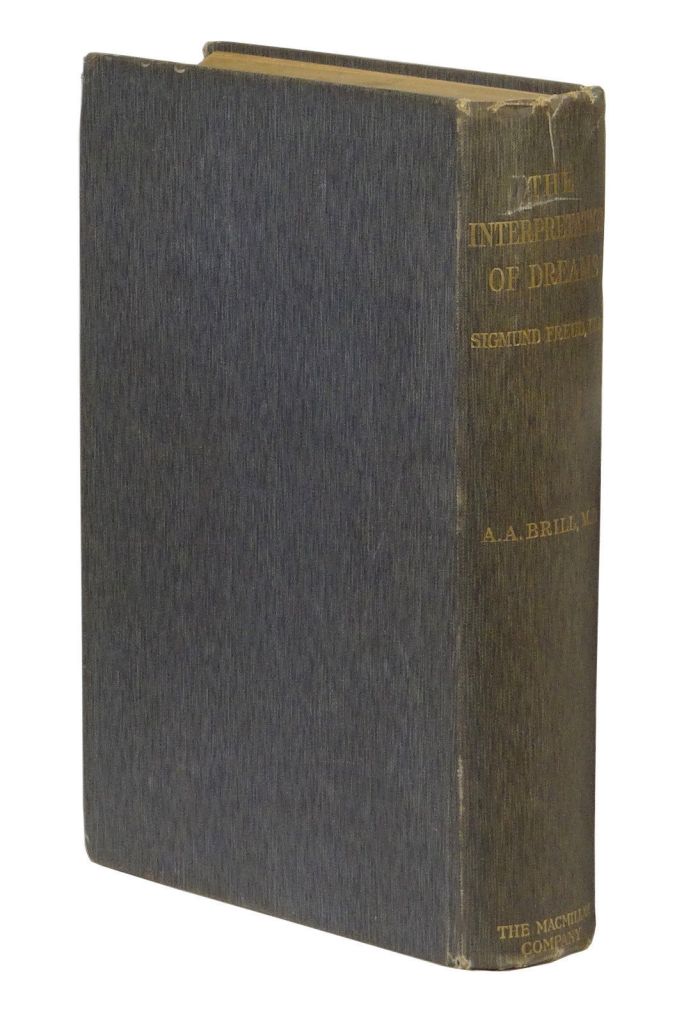
Ever since I started reading “The Interpretation of dreams” by Sigmund Freud, I have a relationship with my dreams. I am understanding myself a bit better. I should keep a dream journal. The dream as wish-fulfillment. The dream I had today was interesting. My interpretation of the dream is one of fatigue. In the dream I was walking long distances, I am with someone, female, identity not clear but we get along. We both walking but we are fatigued. The act of walking long distance is not a sacrifice, we both love it but we are still fatigued. Something has to give, we can’t keep doing this, there is no reason to keep doing this, there is no incentive to keep doing this, love is not enough, we can’t keep walking, we are fatigued but we are still cheerful and happy.

Intuitively I understand the dream, I’ve been feeling so limited. Feeling so boxed in and disillusioned with life and everything. I do feel fatigued, I can’t keep walking the extra mile. I can’t keep putting people over when they turn a blind eye to my needs. I am fatigued, I am tired. Why do I feel so tired? I think I feel undervalued and unappreciated.

My friends recently went to Durban and they left me behind. I didn’t have the money to take the trip but that can’t be the determining factor. They had transport, they had enough. They left me behind. They never would have done that in the past. It’s like there’s a bridge between me and them and I can’t get over. I don’t feel close to anyone anymore. This bridge is frustrating! It’s a metaphor for my life, I can’t get over and make money in my professional life and yet I am still walking. There’s something in between, hindering me from getting to my destination. It induces feelings of unworthiness, I feel stuck, I have feelings of shame, I am isolated, I have no connections. I am tired, fatigued, nothing I do is bringing the desired effects, even my lifelong friends are indifferent towards me. I am cool with not having gone to Durban, I wouldn’t want anyone to harber secret resentments towards me because I went and didn’t pay – that would be so horrible! However, the trip did have an impact on my thoughts and apparent dream.

I do think the dream is addressing my people pleasing tendencies. It’s a big saboteur, it’s draining me and hence the fatigue. I may secretly yearn for validation from others and hence the cheerful disposition from walking long distances despite my fatigue. The dream is both literal and figurative. Oh Freud, what a mess!

Sweeney Todd

Sweeney Todd

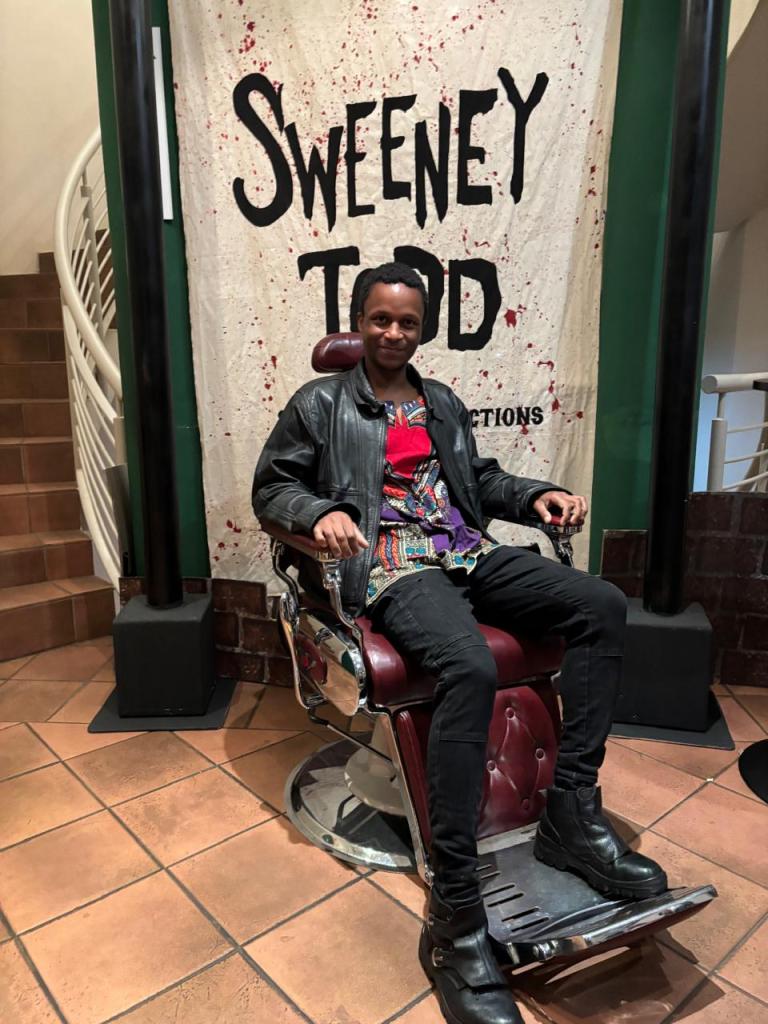
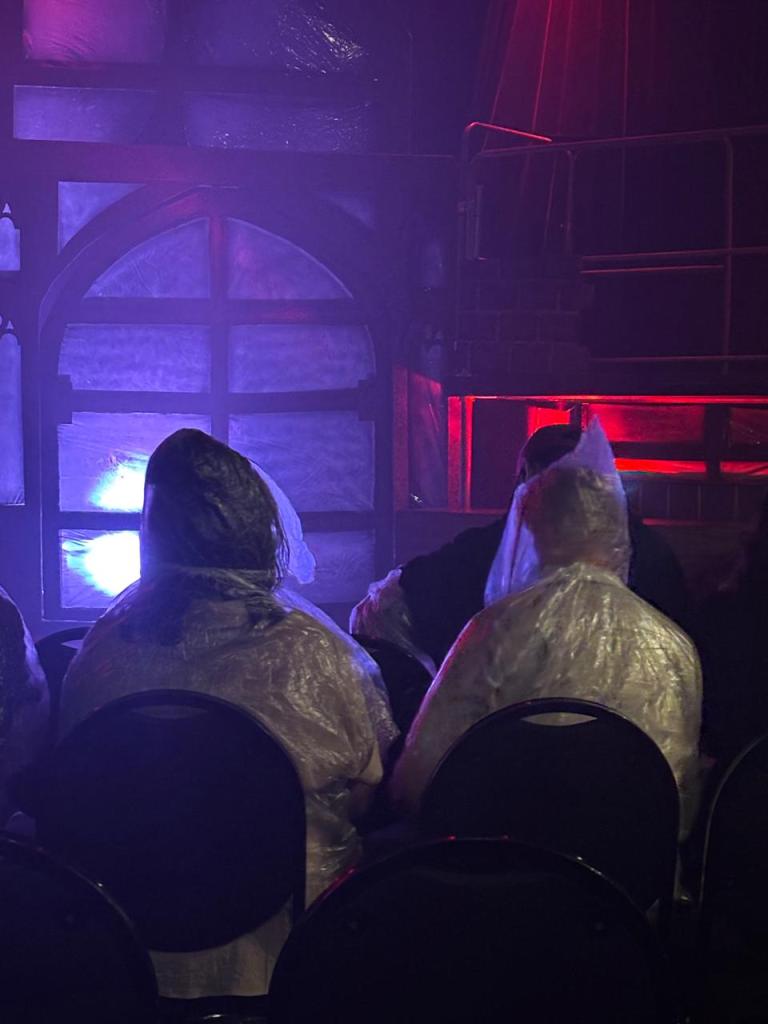
At the Centurion Teater for the murderous, bloody Sweeney Todd. A dark twisted, methodical, sadistic, blood spraying, cannibalistic musical masterpiece by Scenario Productions. The first couple of rows and splashing zones, people are dying, blood will be spilled, put on your plastic body suit provided by the theatre. A lot of people perished, one after another, music in the background, singing dialogue, spotlight on that dreaded seat, a barber in the guise of providing a service slits your throat. Nonchalance, a pleasure to dispose of you.

Sweeney Todd is a barber in Victorian London who murders his customers with a straight razor. He works above Mrs. Lovett’s pie shop, and together they dispose of the bodies by baking them into meat pies sold to unsuspecting customers. His motive is often revenge — usually against a corrupt judge or official who wronged him and destroyed his family. The lighting dark and spooky. It was raining in real life, the theatre was wet, it enhanced the experience, what a day for theatre!

Music Director Luigia Casaleggio held the show, the conductor, her presence was felt.

The performers were amazing, the choruses, the show had a opera influence. They were singing dialogue, dancing and simultaneously acting. The costumes creative and scary. In and out, the performers walked in and out the auditorium, creating a sense of unpredictability. No one knew what to expect, it was a hell of a ride!

The performers:

Brett Kruger – Sweeney Todd
Ashleigh Hilton – Mrs. Lovett
Kyle Cronje – Anthony
Mbali Hlomela – Johanna
Ntsikeng Matooane – Beggar Woman
Tiaane Kirsten-Lubbe – Adolfo Pirelli
Erish Jordaan – Tobias Ragg
Christian Martinez – Judge Turpin
Wilf Mahne – Beadle Bamford

A truly wonderful show with a lot of imagination, enthusiasm and creativity.

Congratulations Tiaan Kirsten-Lubbe and Lian Sachse for a great show and a deserved standing ovation.

📸: SamSays

Snowball

Snowball

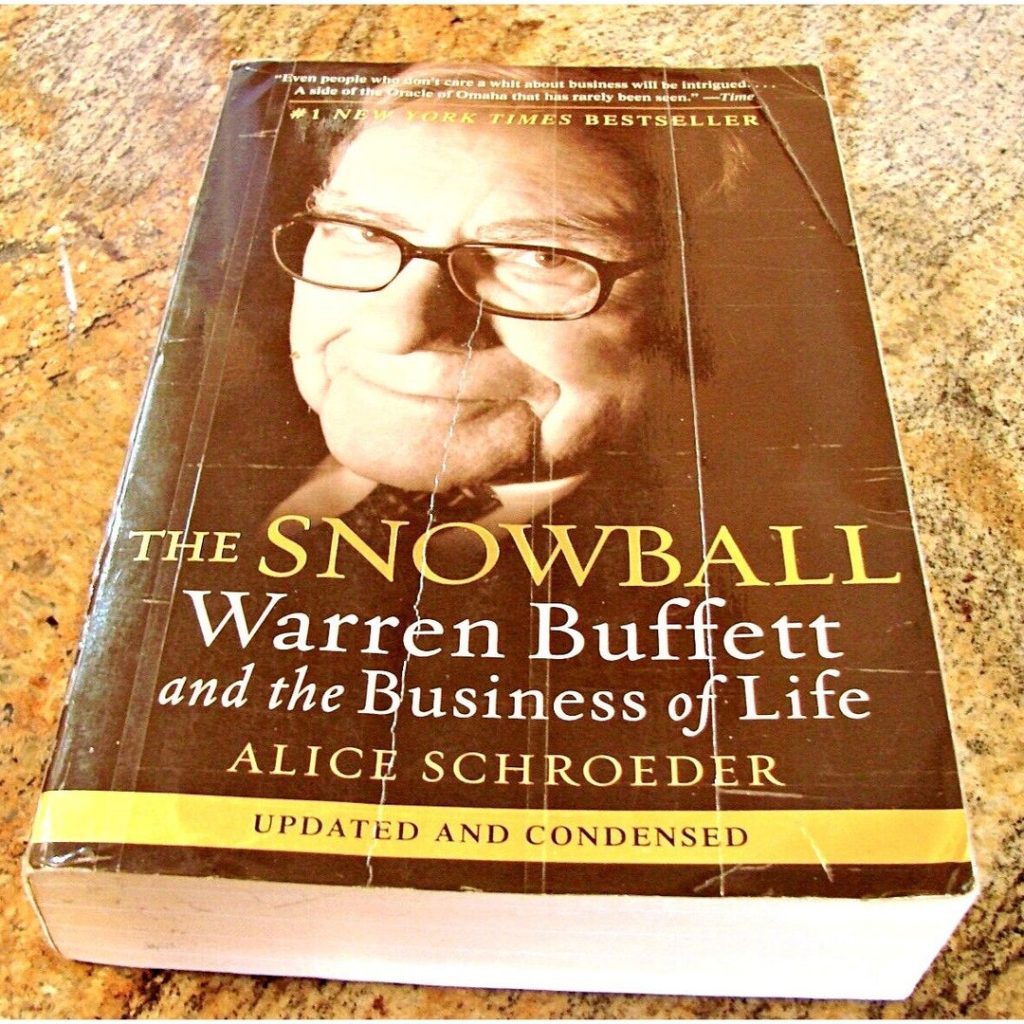
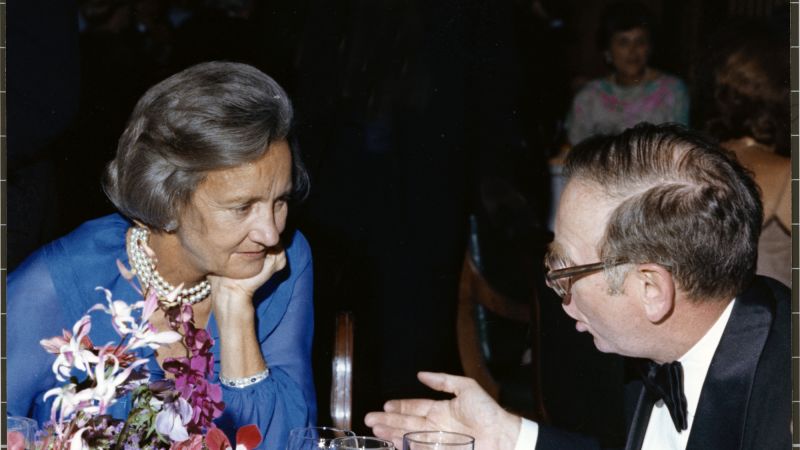
Buffet had Kay and I have Sam, sure I am not Buffet but boy am I lucky! Always dreamed of a Kay Graham when I was reading through the pages of “Snowball”. Kay was great, she was powerful, she had influence and everybody loved her – Buffet was impressionable, eager, bright and destined for greatness. His teachings are right, thank God I idolized him.

Operate with a margin of safety,
have an inner scorecard,
stay within your circle of competence,
read books – any type of books,
boring is good,

you’ll never be rich if you’re normal
and always think long-term.

I am not exactly a millionaire but he was not one till 32. To my credit, I am surrounded by millionaires, I just have to put two and two together and stay on that wavelength and then I’ll get my first million. He had Benjamin Graham, that speeds things up. I am not Buffet, he was good with numbers, rational and an MBA graduate. I was horrible at maths, I lost a lot of money on Forex (pure speculation) and a University dropout. Still, facts are facts, Berkshire Hathaway was a mistake, he was emotional, he screwed the other guy because the other guy was trying to screw him, leading to a bad business decision. Berkshire was still a fading and failing textile business, he got played. Lemons to lemonade, he stripped Berkshire of its assets and kept it, altering its business model and practice.

Buffet had Kay and I have Sam, even the names roll easy on the tongue, I am blessed. Sam introduced me to high society and the best people in the world. I dreamed and fantasized about this when I was reading through the pages of Snowball. I am not Buffet, he had a great wife, two wonderful children and an established home. Yes, they stayed at his parents for a while but they eventually moved out. I just have “antakalipa”. There’s still a lot I have to get right, I am well behind. My Snowball is accumulating speed and mass.

Buffet had Kay and I have Sam, I love Sam like how Buffet loved Kay. I dreamed of this when I was paging through the pages of Snowball. Taught me “with great power comes great responsibility” a simple one, Ben Parker, a quote you take for granted when you are Peter Parker and one you never forget as “Spider-Man”!

As you turn 30, you lose confidence in yourself and ideas. The world even pushes you to the side, your spirit gets sucked out of your body, you become the labels society assigns, you become the accumulation of your past years. I worked hard to be the person that I wanted. I worked hard to be an individual. I chose my path, I walked alone. I never wanted to fit in a construct. I want my fate in my hands. I chose “antakalipa” to be what defines me. I will serve millions of people around the world, it’s my destiny. I’ve been following the teachings of Buffet since my 20’s and now my Snowball is a rolling boulder, gaining traction and momentum, becoming bigger in the process. It took a while, I am a value investor. There will come a time when I’ll be unstoppable. This has always been the plan.

Buffet had Kay and I have Sam, I dreamed about her as I was paging through Snowball. Warren Buffet by far, the biggest influence of my life.