
Under the Shade of a Tree I Sat and Wept
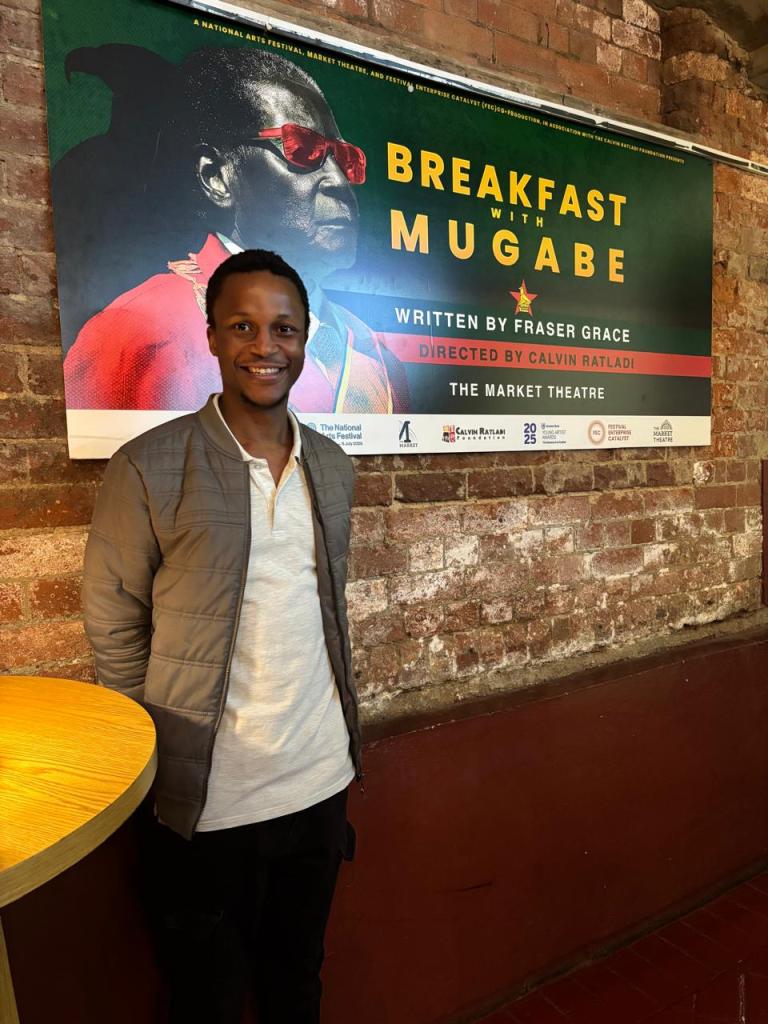
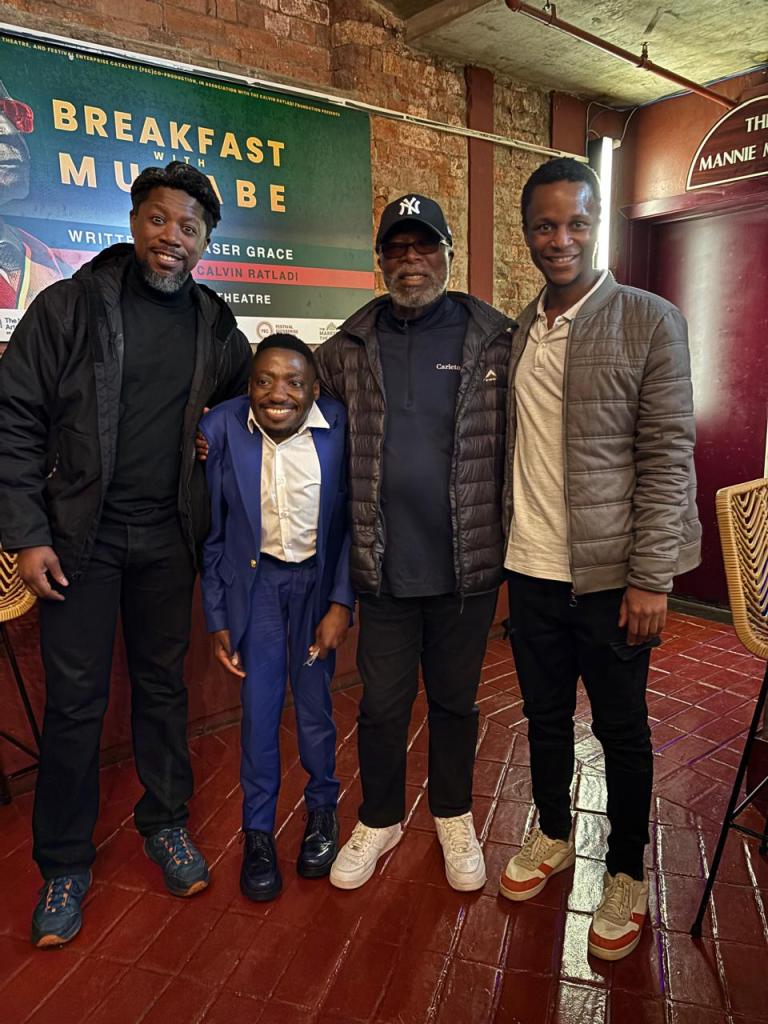
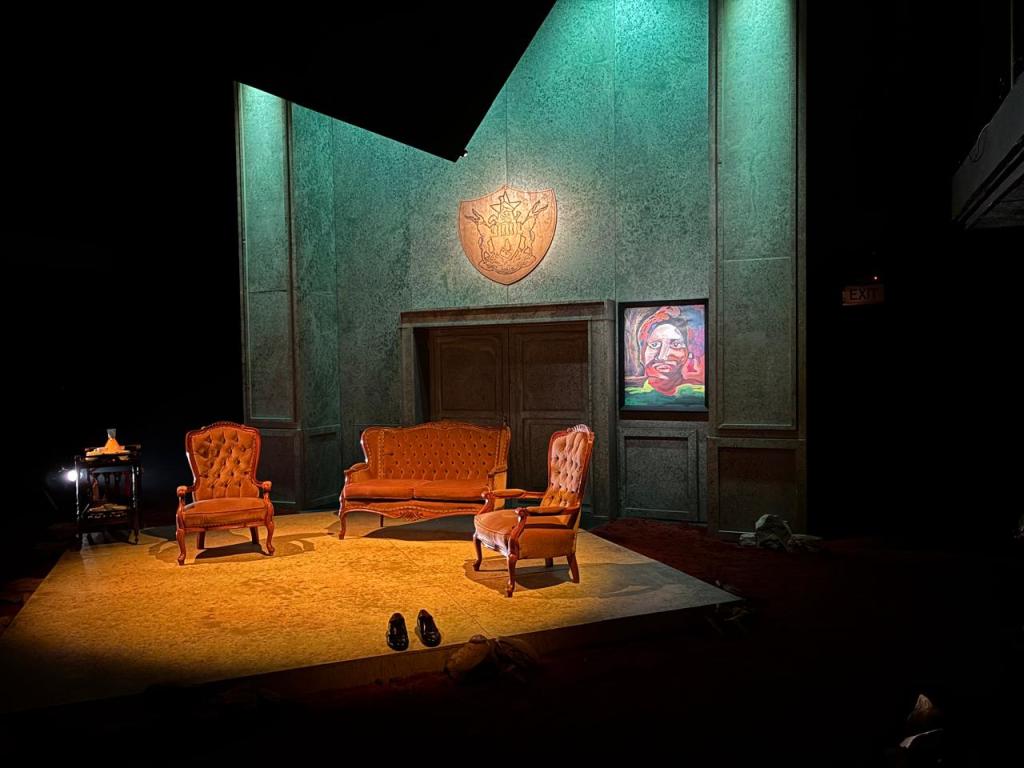
At the Market Theatre for the opening of Under the Shade of a Tree I Sat and Wept, I love the Market Theatre.
For 10 performances only. Get your tickets now!

There are certain spaces that do not merely host performance—they hold memory. The Market Theatre is one such place. You do not simply enter it; you step into a living archive of South Africa’s artistic resistance, a space where stories have always carried the weight of truth. And in Under the Shade of a Tree I Sat and Wept, that truth is not revisited gently—it is ruptured, reassembled, and forced into the present tense.
This is not a conventional play. It is theatre about theatre. A self-aware, shape-shifting work that refuses the safety of illusion. At one moment, you are submerged in the harrowing testimonies reminiscent of the Truth and Reconciliation Commission—stories steeped in brutality, injustice, and the unbearable intimacy of violence. The next, the illusion fractures. The performers step outside their roles. They eat pizza. They laugh. They complain about costumes. The stage becomes a rehearsal room.

And just like that, the audience is disoriented.
This oscillation—between immersion and interruption—is not accidental. It is the architecture of the piece. The breaking of the fourth wall does more than disrupt narrative; it implicates the viewer. Where does performance end and truth begin? What does it mean to represent trauma? And who gets to tell these stories?

The play moves like a psychological pendulum. One moment, it descends into the darkest recesses of apartheid’s violence. A performer recounts torture so viscerally it becomes almost unbearable to witness—the body reduced to a site of cruelty, dignity stripped away in acts that defy comprehension. Another narrative lingers on the grotesque image of a severed hand, preserved not as evidence, but as a macabre symbol of power. These are not distant histories; they are rendered immediate, alive in the bodies and voices on stage.
And then—without warning—the tone shifts.
Laughter enters the room. The heaviness lifts, if only briefly. The performers become themselves again, navigating the absurdities of production—the discomfort of a costume, the casual intimacy of shared food, the rhythm of backstage life. It is disarming. Almost jarring. But it is also deeply human.
Because this is the truth the play understands: trauma does not exist in isolation. It coexists with the mundane. With humor. With survival.
At the heart of the production is a remarkable ensemble, each performer moving seamlessly between character and self, between witness and storyteller. There is a precision to their delivery—a discipline that ensures not a single emotional beat is lost. Yet within that precision lies a looseness, an openness that allows moments of spontaneity and connection to flourish.

Bongile G Lecoge-Zulu emerges as a vital presence, her comedic timing cutting through the density of the material like light through a storm. But her role is not simply to entertain. She acts as a bridge—between audience and performer, between fiction and reality—reminding us, gently but insistently, that what we are watching is constructed, even as it draws from very real histories.
Gontse Ntshegang’s moment of resistance—her dissatisfaction with a plastic costume—becomes more than a fleeting aside. It is a rupture in the fabric of performance, a reminder that even within the act of storytelling, there are tensions, negotiations, and acts of defiance. The performer refuses to disappear entirely into the role. She remains present. Visible.
Visually, the production expands the language of theatre. The integration of live video transforms the stage into a hybrid space—part theatre, part cinema. A camera captures the performers in real time, projecting their faces onto a large screen. Every tremor, every flicker of emotion is magnified. The audience is drawn into an intimacy that feels almost intrusive, as though we are not just watching, but examining.

This interplay between scale—between the physical body on stage and the enlarged image on screen—creates a duality that mirrors the play’s thematic concerns. Reality and representation. Distance and proximity. Memory and performance.
There is a choreography not just of movement, but of emotion. The transitions are fluid, yet unpredictable. The play does not allow the audience to settle into a single mode of engagement. Instead, it demands constant recalibration. You are asked to feel, to think, to question—all at once.
And perhaps that is its greatest achievement.

Under the Shade of a Tree I Sat and Wept does not offer resolution. It does not attempt to neatly package the complexities of forgiveness, reconciliation, or the enduring consequences of apartheid. Instead, it lingers in the discomfort. It asks difficult questions and resists easy answers.
What does it mean to forgive?
What does it mean to remember?
What does it mean to perform pain—again and again—so that it is not forgotten?
In the end, the play becomes more than a narrative. It becomes a ritual of witnessing. A space where past and present collide, where performers and audience share in the act of remembering.
And in that shared space, something extraordinary happens.
Theatre transcends performance.
It becomes truth.
Performers
Gontse Ntshegang
Ilire Vinca
Kensiwe Tshabalala
Arben Bajraktaraj
Amernis Nokshiqi
Les Made
Bongile Gorata Lecoge-Zulu
Written by Jeton Neziraj
Dramaturg: Greg Homann

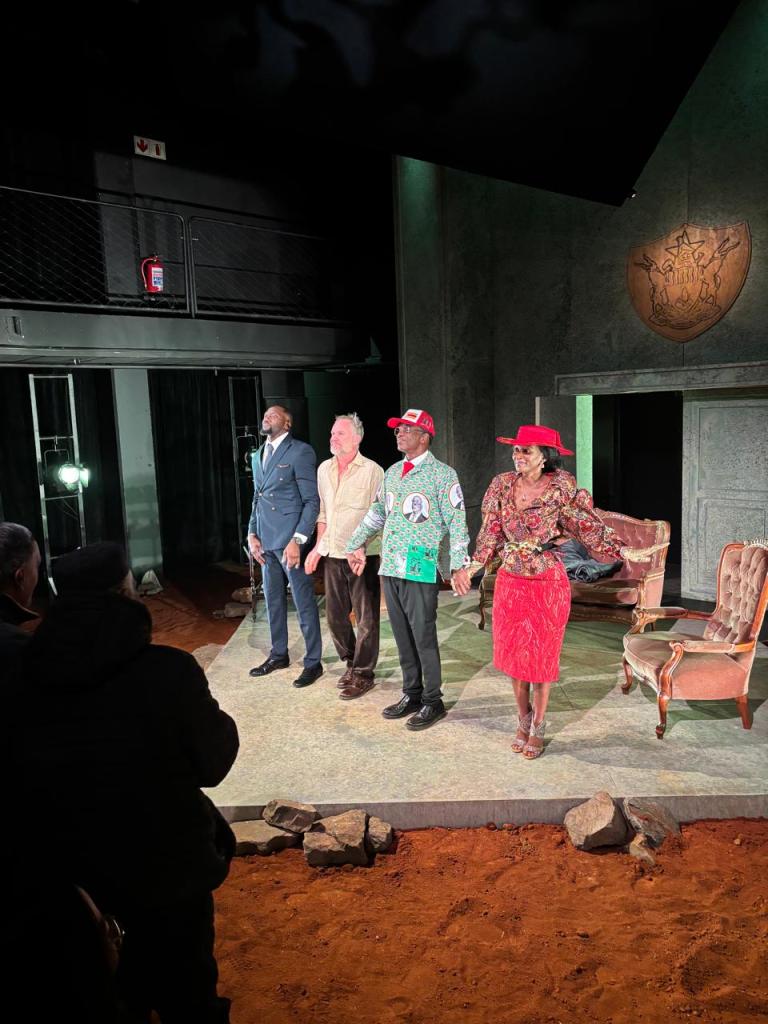
Congratulations Blerta Neziraj and the whole team for a great show and a deserved standing ovation.
 antakalipa