Breakfast with Mugabe

Breakfast with Mugabe

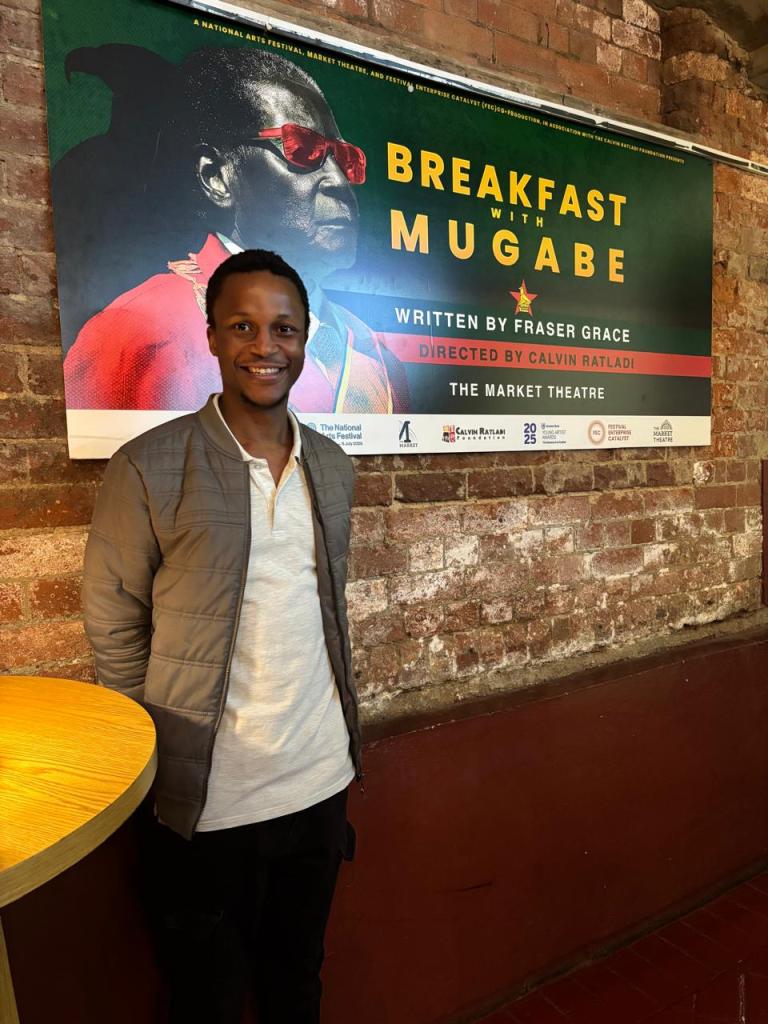
At the Market Theatre for the opening of “Breakfast with Mugabe, Standard Bank had an influence, drinks, soup, bread and general snacks on the house. Posed for pictures with distinguished people, met the director Calvin Ratladi.
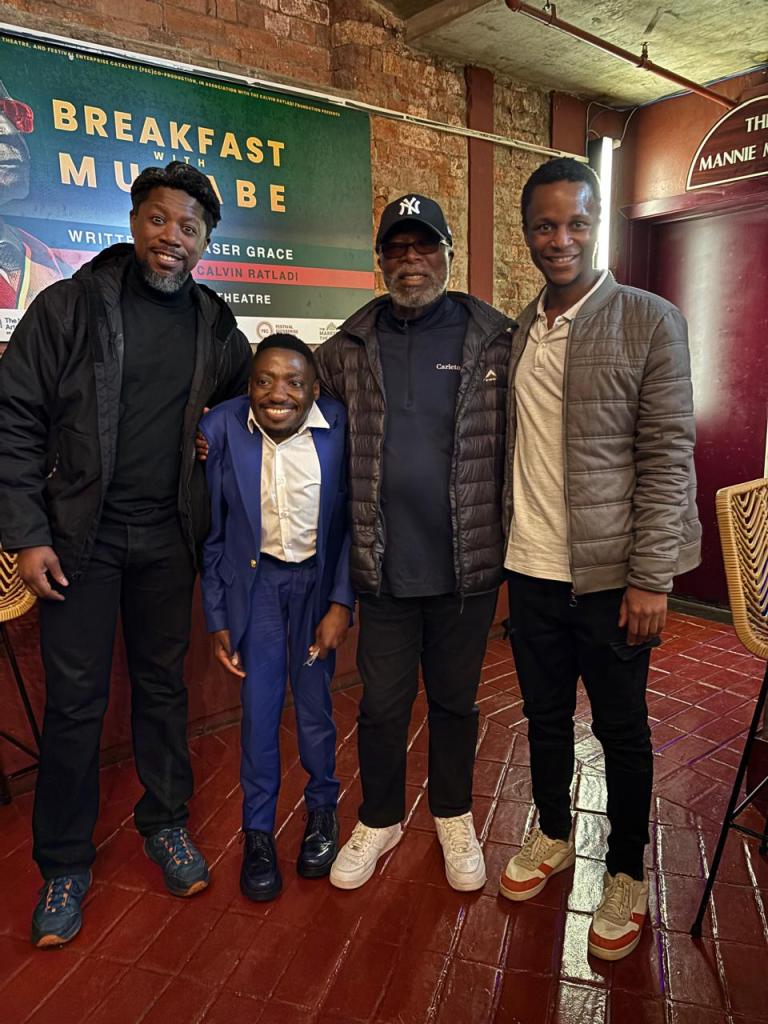
Written by Fraser Grace, ‘Breakfast with Mugabe’ stars Themba Ndaba portraying Mugabe and Gontse Ntshegang as his wife, Grace. Craig Jackson plays Mugabe’s psychiatrist, Dr Peric, while Zimbabwean actor Farai Chigudu takes on the role of Mugabe’s bodyguard. The play is about Zimbabwean president Robert Mugabe’s fictional imagining of conversations with white psychiatrist Dr Peric. Initially, Mugabe is avoidant, he misses appointments and comes late. They go deep delving into Mugabe’s psyche, the struggle is unearthed, bombings comes to the surface and love of country is elevated. The characters speak in Shona for realism, the play is in English. Exploitation happens, the white farmer loses his farm. The play explores grief, healing, faith, nationalism and legacy.
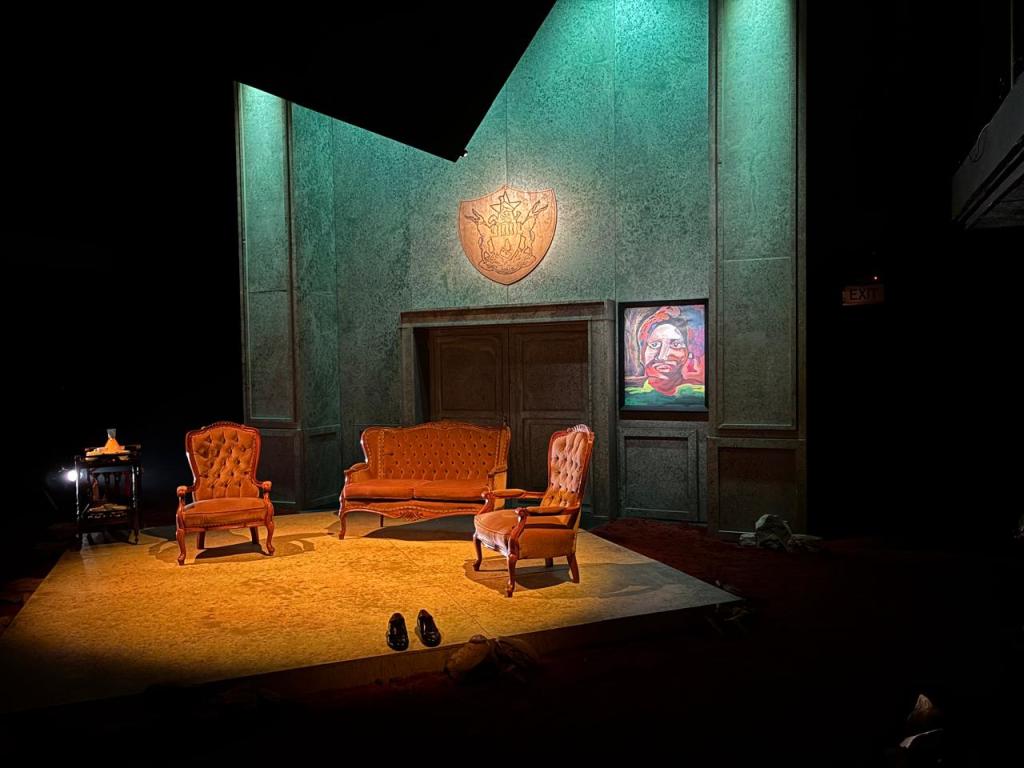
The set is in Zimbabwe’s head of state, coat of arms on the wall and a portrait of a painting on the other side of the wall. Elevated slightly by a stage in the middle is a trio of chairs and a table for juice. On the ground is soil, it features at the start and the end of the play. Themba Ndaba is brilliant as Robert Mugabe, he embodies his mannerisms, the restless energy, panting, speech and demeanor. I loved Gontse Ntshegang, she is so beautiful and amazing, she stole the show as Grace. She is after your farm white man. Craig Jackson as Dr Peric is a psychiatrist whose about learn what it means to be a white farmer in Zimbabwe, he learns the hard way, he loses. Farai Chigudu as the bodyguard beats up the white psychiatrist.
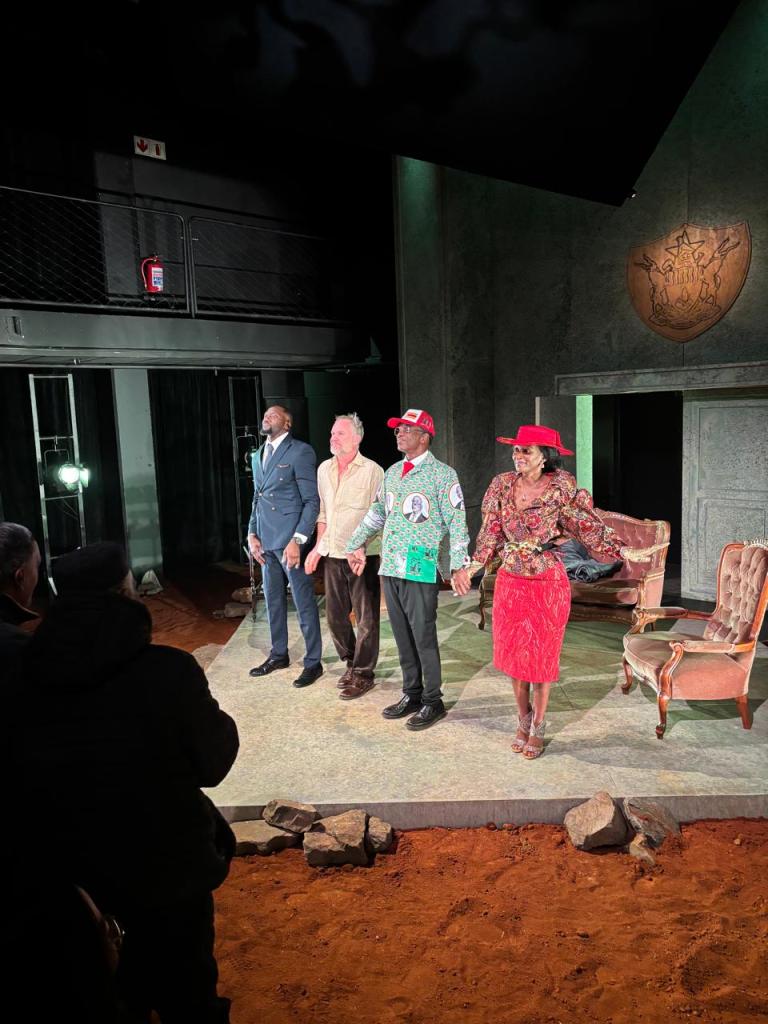
Thought-provoking piece of theatre that delves into the intricacies of human nature. I know I missed so much, it’s not something you watch once. You need multiple viewings to scratch the surface. It can completely go over your head, it needs meditation and contemplation. This is undoubtedly a masterpiece.

Congratulations Calvin Ratladi and the whole team for a great show and a deserved standing ovation.

📷: SamSays
Expelled

Expelled

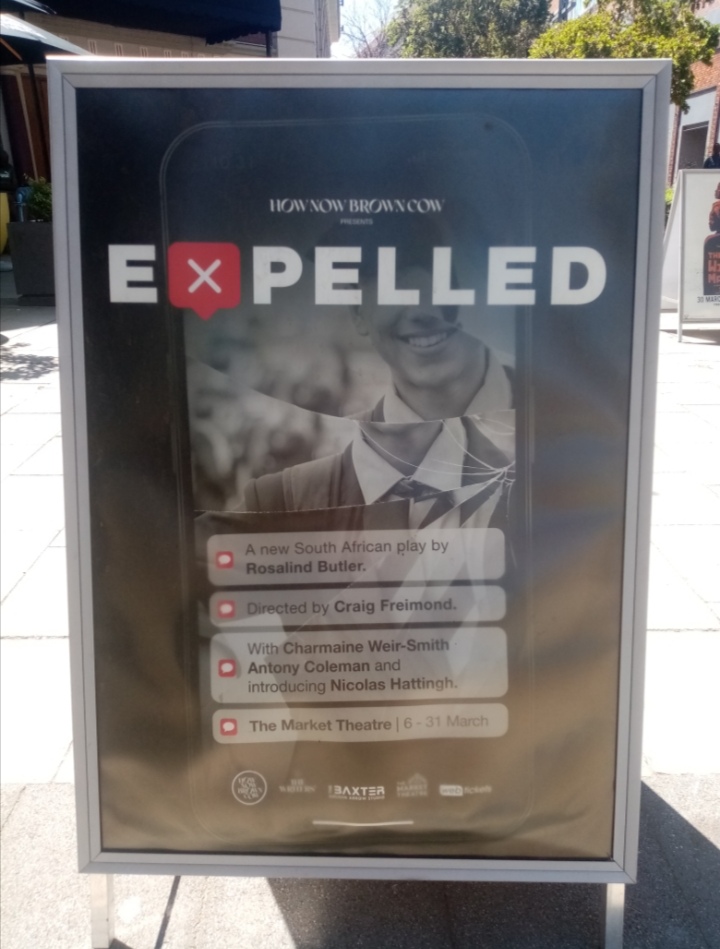
Great show, wonderful story grounded in reality. Charmaine Weir-Smith is my new favorite actress, I’ve started following her on Instagram! Her performance was awesome, she killed it! I saw my mother in her. Crazy how social media can be both a blessing and a curse. On the one hand you get to see pictures of your crush, on the other hand it can induce depression with the incessant comparing. Let’s not forget how a viral campaign can make or break you. It certainly destroyed this family, we have the idiot, insensitive son to thank for this misfortune. It was a stupid joke, why would they broadcast it to the world like that? It was easy to care for the characters, I think a family dynamic enforces that. The show was funny and the pacing was perfect, awesome writing and masterful acting down to the microexpressions. It was a performance show and the cast performed! I am also guilty of using Facebook as a form of escapism, it’s easier to live through the lives of others especially when your life is filled with boredom. Rape is never an easy topic, a lot of cringe moments, I was left frustrated and disappointed with the idiot son. I shared in the father’s disappointment. He deserved the expulsion and to lose his beautiful girlfriend, he gets no sympathy out of me. The marital problems of the husband and wife has me contemplating about marriage, is it viable? Is it worth it? Are all marriages like that or is it just a running gag at this point? The lighting of the show was awesome, the lights moved the show, the lighting told the story. I was watching but I didn’t feel like a bystander, I was immersed in their world, I could relate with the characters, I understood their conundrum and like them I didn’t have the answers. I love that there is no Hollywood-fairytale conclusion because life isn’t like that, the human condition is difficult and we improvise along the way, no one has the answers and we are all fated to die. No one will remember us in the grander scheme of things because time forgets. Ending the show with the sons fuck-up was a nice touch and we also saw the notorious viral video, true boys will be boys but that was the worst video I’ve ever seen in my life, deserving in the expulsion of all those who where involved. Yes, harmless fun, boys playing around, it’s a joke, it’s funny, no one was raped but the expulsion is justified, they tainted the schools image and potentially the reputation. I salute and applaud the whole team. That was a classic show, the best. I loved the social commentary, it’s fun to observe, condemn and laugh at ourselves on the stage.

Sophiatown

Sophiatown

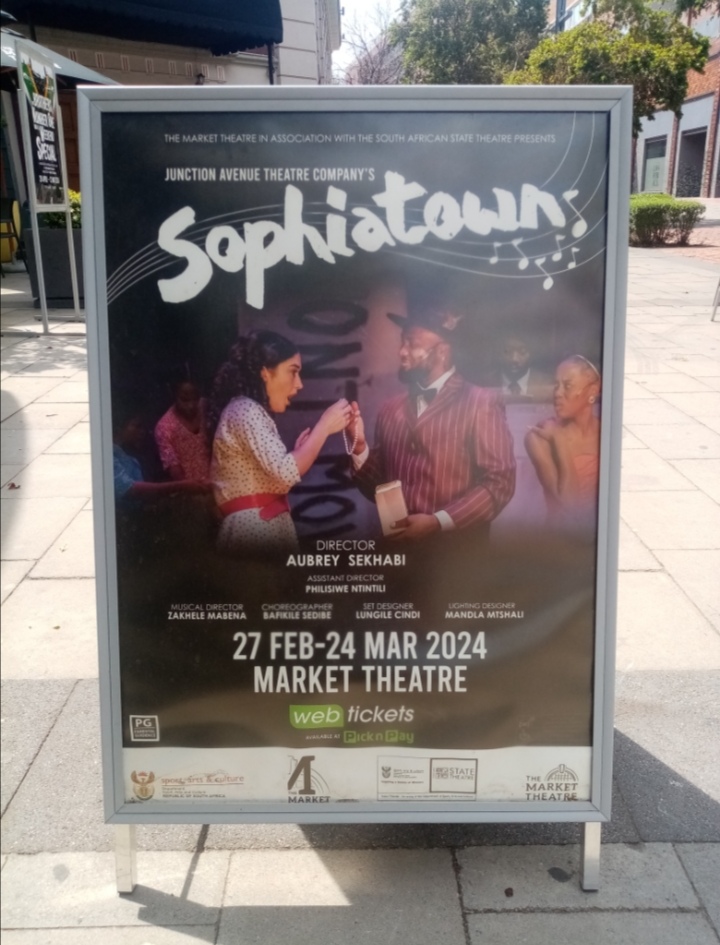
Wonderful story, great sets and the best Jazz music, I recognized the coal stove, worn out door and cohabitation associated with being from the township. A stadium of people can coexist and live together in a 4 room house and that’s the case in this story. Maybe not a stadium but family, extended relatives, girlfriend and close friend. Jewish girl moves in and is welcomed to the family. I love the family dynamic, makes the characters relatable as you can see yourself in their image, it forces you to care for the characters and stay engaged with the story, the conversations are hearty, free flowing and feel natural, dialogue funny, witty, serious, heartfelt and emotional. The show had everything, it was supremely entertaining. There’s a lot of range, textures and layers to the acting. For the most part the show is comedic but it does get threatening and dramatic. I cared for the characters, I saw my sister, mother, father and uncle. The gangster was humanized in a way I had not seen since “The Sopranos”, we got to see what the protagonist is usually like with his family, that made him a bit likeable despite the fact that he is a bad person with questionable morality. Like on “The Sopranos”, his family are enablers of the lifestyle. The mother welcomes a life of crime since his son gives him money. The gangster’s girlfriend, Princess is textbook Carmella Soprano with the lavish lifestyle and like Carmella, she is manipulated and bought with jewelry. She stays in the relationship despite the physical and emotional abuse. She is labeled “A princess of the slums” and as such, she has to take all the abuse, she has no other place to go, she has no other options, she’s living a good life, she’s in, she’s in! For most of the show, it feels like a sitcom, the live Jazz band controls the tempo and creates the feel, the 1954 Sophiatown jazz feel, love the costumes, the double breasted suits, cane’s and hats, it is gentlemanly and gives intellectual vibes. The actors on the stage were amazing, they were convincing, they were in sync, they had chemistry, they had a lot of enthusiasm and were animated and lively. They looked like they were having a lot of fun, they connected deeply with their characters. My favorite character is Lulu, the school girl, she’s funny and I appreciate her perspective. I enjoyed the gangsters performance, he had the crowd at the palm of his hand, he is violent, a bully, exhibits preditory behavior, manipulative and an overall bad person. Oh well, what do you expect from a gangster? Yes he is a family man but a gangster nonetheless. Great cheographed moves with wonderful melodic and harmonic singing, the band are amazing throughout, they are hidden for most part of show by the set (Shacks/Informal settlements) but they are revealed to the audience when Sophiatown is bulldozed to the ground. The depiction of the township is so accurate with the loud dogs and music, it made chuckle. In the end, everybody moves out or to be precise is forced out! Even Princess snaps out the trance she was in and figures she deserves better. Segregation and apartheid prevails and the white Jewish girl moves to Yeoville, ending the chance at romance with her black writer intellectual, the gangsters righthandman Charlie, is forced to live in pipes under a bridge because he is colored and can’t move to Meadowlands. One day gets knifed to death courtesy of a fight he was involved in. The rest of the family gets relocated to Meadowlands. Their movers are unsympathetic, insensitive Dutch men who are on a schedule and don’t negotiate with anyone, they just bring everything down! Having identified with the core characters for more than 2 hours, you feel their pain and helplessness at the situation. In the end they all lost. Amazing story with authentic characters played by actors who executed optimally.

The Fall

The Fall

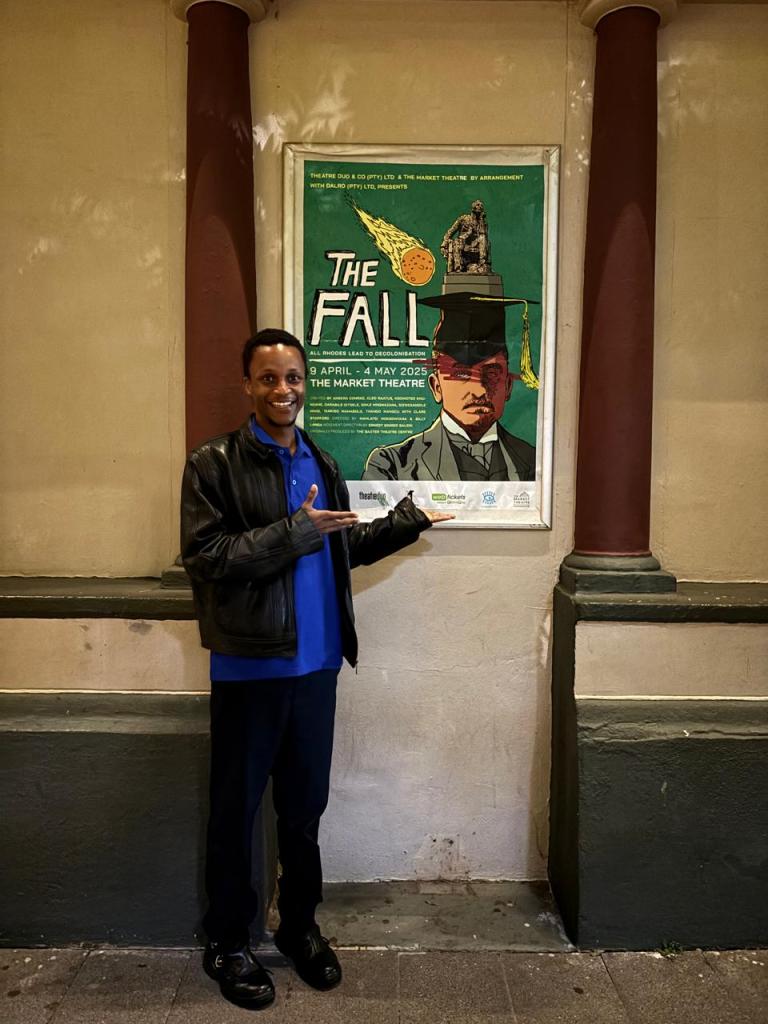
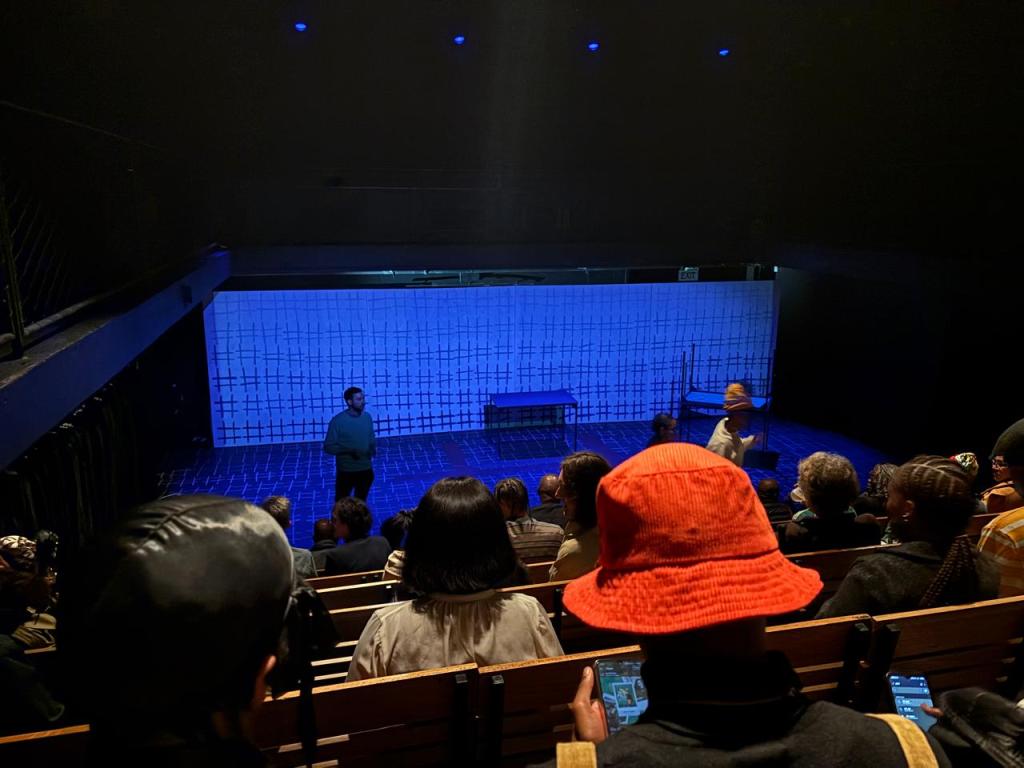
I was at the Market Theatre for the opening of “The Fall”. The place was filled to the brim and gushing onto the floor. So much so that the auditorium couldn’t accommodate everybody with seats, some people sat on the steps. The venue was exuding radiant energy and it was contagious. Excitement was in the air and everyone was beaming. I also met Bongiwe Potelwa, Yay! Thank you for the invite Bongi.

Set in 2015 at the University of Cape Town, South Africa. This piece of protest theatre explores issues of race, decolonization, social inequality, upbringing, the #rhodesmustfall movement and the #feesmustfall movement. It follows 7 students with different perspectives, backgrounds and ideals, united by one cause bringing down the statue of Cecil Rhodes. The statue is a symbol of colonization and it doesn’t reflect the current times and ideals of an African University. Instead it divides and perpetuates racism among the students and the staff. It is a symbol of oppression, privilege and the white man’s dominion. It is like a persistent dark cloud hanging over them. The students converge and discuss the possibility of bringing it down. One student suggests taking it down with a chisel and hammer, while another contemplates a truck. Ultimately, the statue is taken down with the help of a helicopter but problems still persist. It is announced that tertiary fees will increase by 12%. This enrages the students of UCT, it’s not like they could afford the fees before the increase. A lot of students are from economically disadvantaged backgrounds. They rely on government aids and loans to continue with their education. NSFAS is not always the answer, sometimes they don’t approve applications and when they do you have to prove to them that you are poor. Of course you are poor, that’s why you are trying to build a better life for yourself and your family but the government are making it so hard. The students get together and discuss their right to free education. This results in a protest and the #feesmustfall movement is born. Stellenbosch University students join and it spreads like a wildfire resulting in a nationwide shut-down of all universities in the country.

The show tells the story of the two movements beautifully. It also explores feminism, masculinity, racism and inequality. It’s easy to relate with the characters, they are real and the conversations between them are naturalistic. Like conversations with your friends, they are free, open, funny and silly. They are not hindered by language, instead they mash it up, communicating in a way that feels authentic to the characters. African languages are integrated because the characters are South African. You can see yourself in their image and hence relate and emphasize with them and their struggles. The actors on the stage are brilliant and captivating, it is a performers paradise. They fully inhabited the characters worlds. It was convincing, it felt as though they were telling their own personal stories. From voice intonation, usage of the stage, monologues, singing, protests – it is a masterclass.

I loved everything about the show, shout out to the cast:

Tankiso Mamabolo
Sihle Shona
Sizwesandile Mnisi
Tshepo Matlala
Mosehlana Mamaregane
Kevin Narain
Leche Tangee

Congratulations Mahlatsi Mokgonyana, Billy Langa and the whole team for a superb show and a deserved standing ovation.

Pieces of me

Pieces of me

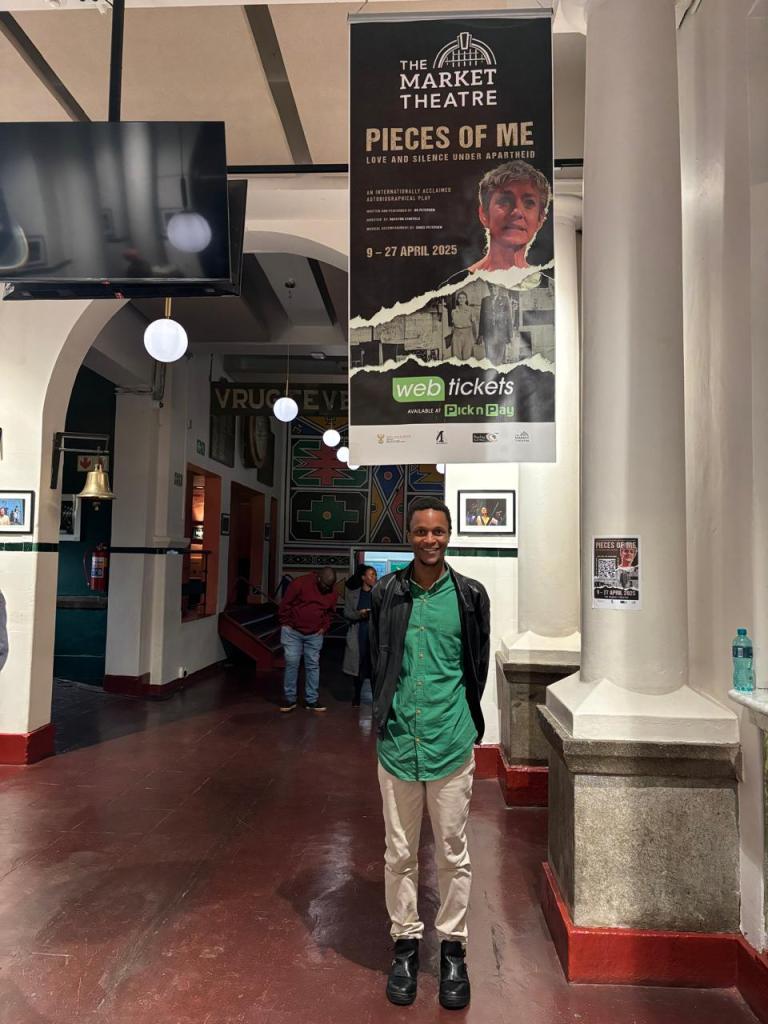
I was at the Market Theatre for the opening of “Pieces of me” by Bo Petersen. A poignant play about family, belonging, race and identity. Set in the era of apartheid, the story world is plagued by inequality, segregation and racism. A time of the bompass, when you had to carry your identification documents at all times to gain access to parts of the country. This law severely limited the movements of black South Africans and was viciously enforced by the police with violence and jail time being norm for perpetrators who didn’t have their identification documents at hand. A time of Prohibition of mixed marriages act, an act that made it illegal for a white person to marry any other race, the immortality act, an act that barred sexual relations between whites and non-whites, transgressors could face up to 7 years in prison and the infamous Group Areas act that designated certain areas for certain races among other stringent, harsh and unfair acts.

Pieces of me explores Bo’s life, about how her father classified as “colored” marries her mother classified as “white” and the emotional toll of having to live in secrecy because of the laws imposed on them. After falling in love and having having 5 children together, her father passes off as white, a lie if discovered could send him to prison for 10 years and destroy the family.

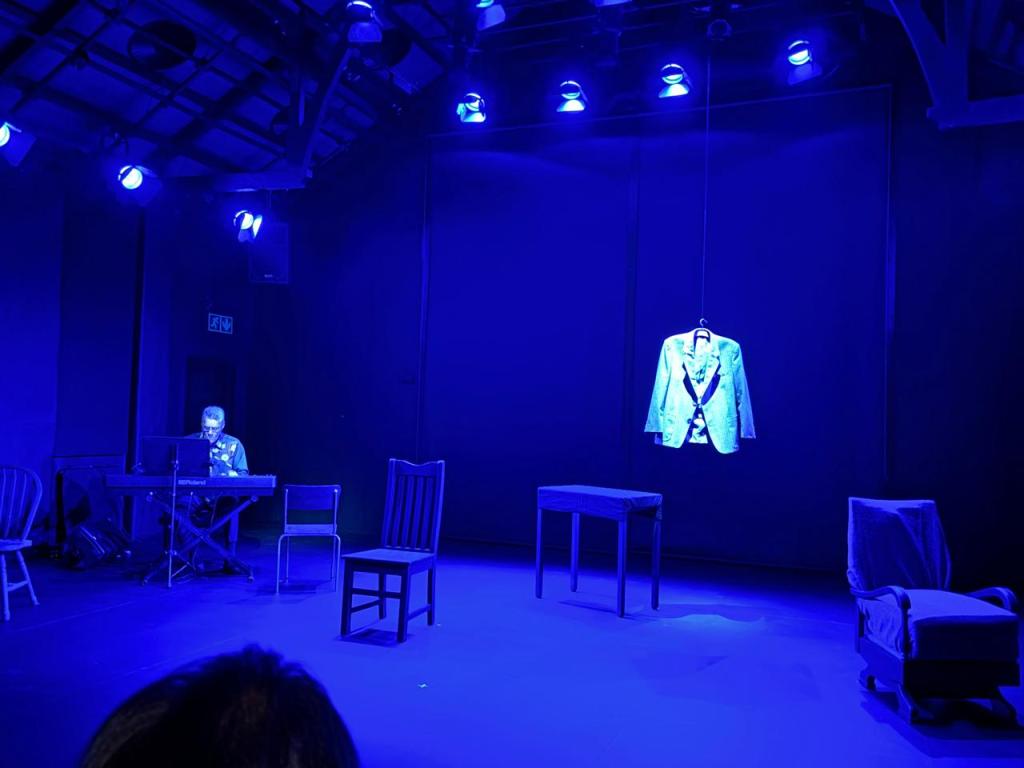
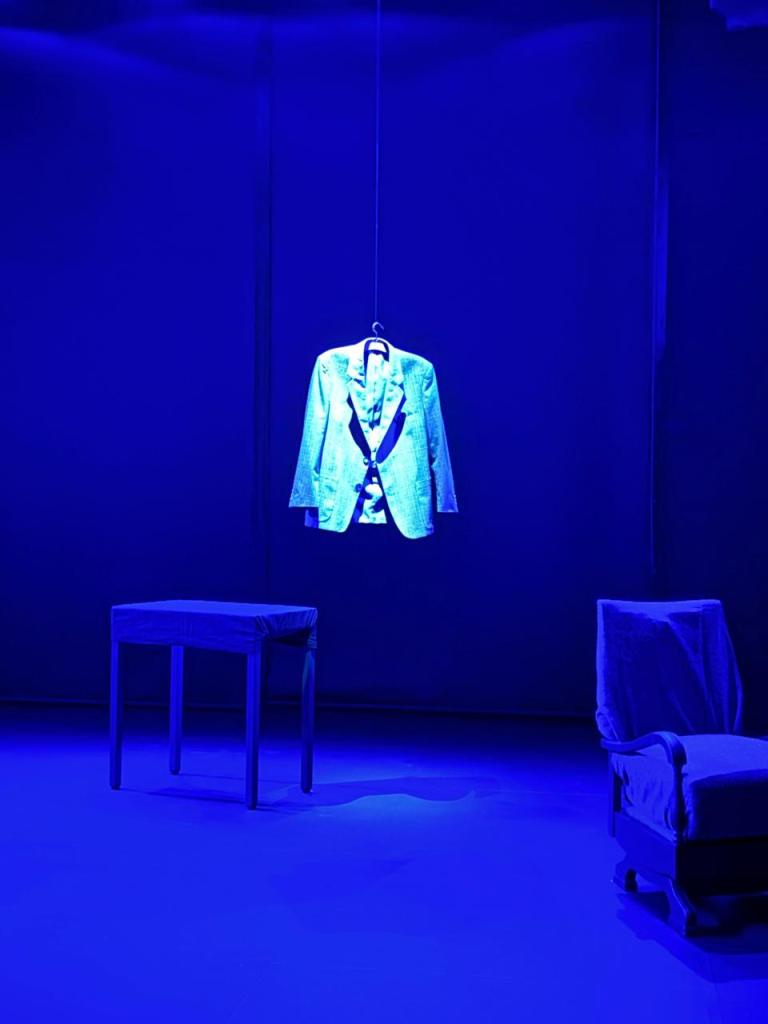
Bo Petersen tells the story from different perspectives, her father’s, aunts and grandmother, breaking the fourth wall at times to talk to the audience to make them feel what she felt. The message is powerful and emotive. The acting unbelievable! She also enacts the roles of her aunt, father and grandmother. She is a great storyteller and inhabits all the stage. She is expressive with her body, language and overall demeanor. The set although minimalistic is effective. The hanging suit serves as a homage to her father, it has a presence, a spirit of its own and Bo interacts with it. The lighting nuanced and intimate. Christopher Petersen plays the keyboard and he sets the tone for the play, working alongside Bo to curate the story throughout.

Powerful story.
Powerful performer.

Congratulations Royston Stoffels for a great show and a deserved standing ovation.

The cry of Winnie Mandela

The cry of Winnie Mandela

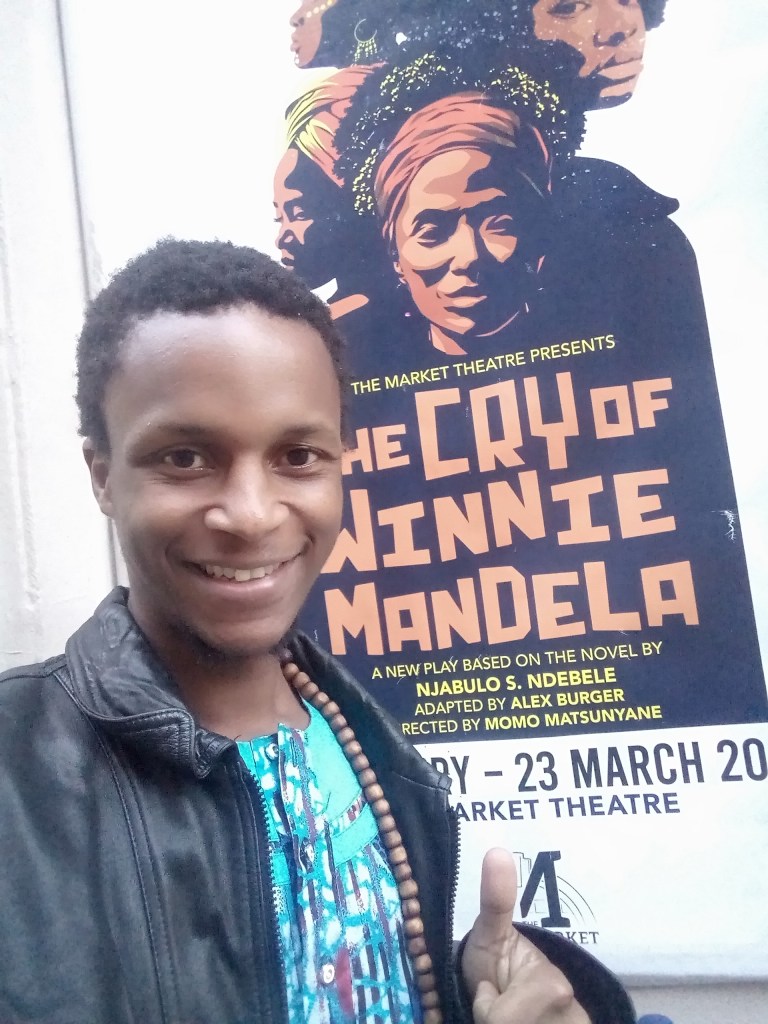
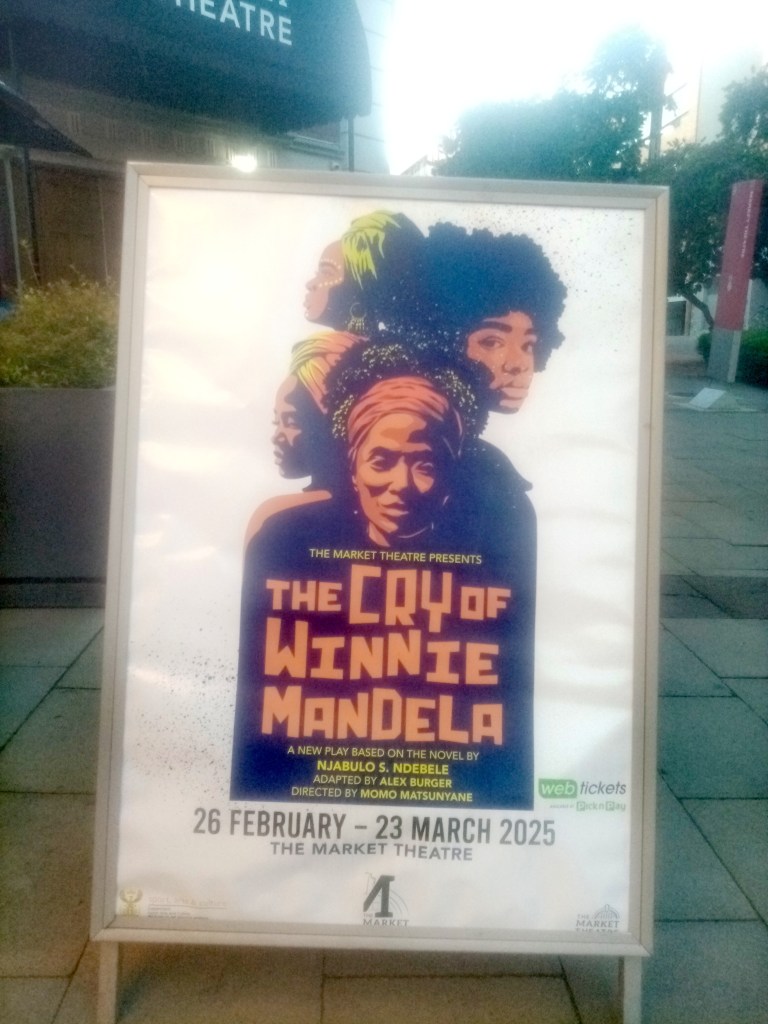
At the Market Theatre to watch “The cry of Winnie Mandela”. If you had the opportunity and honor of asking the mother of nation a couple of questions, what would they be? Stompie? TRC? Mandela FC? Her 400+ days in prison? Why her union with Nelson didn’t last and what could she have done better if anything?

The show starts off with a writer thinking out loud, watching a news bulletin about the murder of Stompie. It is alleged that the Mandela FC team kidnapped and murdered him. There’s uproar and chaos considering Mandela FC is Winnies team. “She changed, she’s not the same person. She used to be warm, empathetic and compassionate, but now I don’t recognize her” – these are some of the sentiments expressed from the screen from commentators. The writer is in a room, he is thoughtful, he wants to write Winnies story from her vantage point. Then four african women appear from his imagination. They are real women, full of personality and quirks. They are humorous, they give the show color, range and dimension. The four women share their stories with the crowd about how their husband’s left and they are still waiting. The stories are personal and emotive, they test their resilience, resolve and character. The crippling angst of loneliness, one woman explores Can Thembas “The Suit” set in Sophiatown about a woman who commits adultery. She too flirts with the idea of committing adultery. One of the women is easy prey for a young man who targets her because she is isolated and alone, they engage in casual intercourse but it stops when the rumors in the townships start circulating. One of the ladies man leaves her for a white woman after she was his backbone, supporting him and his dreams. The women call out the double standards, would he wait for her if she left? The ideas of patience, commitment and resilience are put through a microscope. The ladies want to know how Winnie was able to do it. They play a game which results in Winnie Mandela magically appearing. The ladies are awestruck and commence showering her with questions. Questions about her and Nelson, the TRC, her days in captivity and her secrets to resilience. She answers them with a lot of personality. The last image of the play is off a quote about her being happy with everything and how she would never change anything.

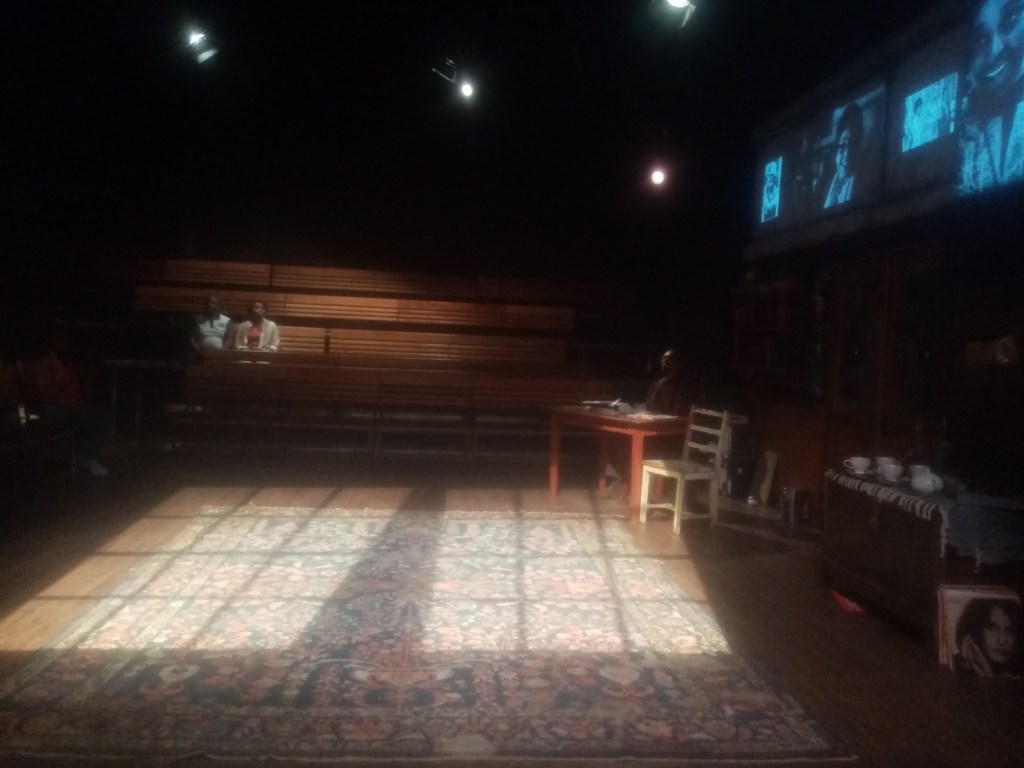
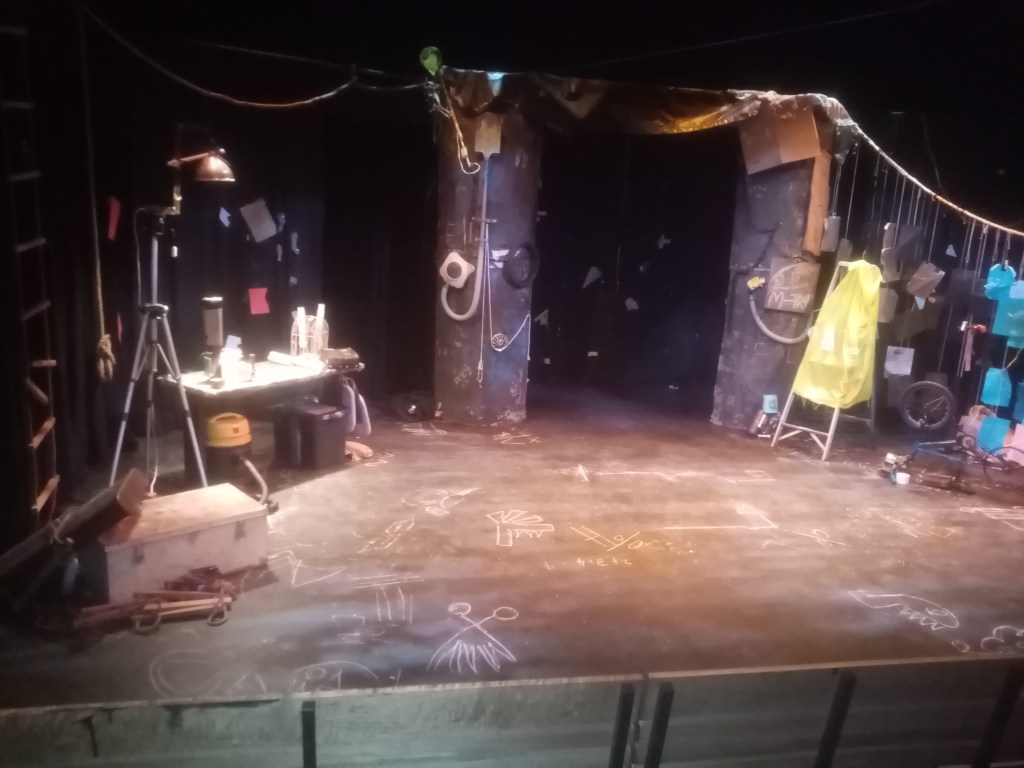
The show is simply wonderful. The performers are real, familiar and relatable. It was easy to connect with the characters because they made themselves vulnerable so early on. The interactions with each other on the stage felt natural. You knew the characters on the stage, they felt alive. Language was not a barrier, words from other languages was borrowed for expression and authenticity. It was not language for the sake of form but language for expression and the story world. When the performers performed, their faces lit up. They fiercely delivered their monologues and sang with a lot of passion and love. The lighting was cool, I saw one detail that blew me away. On the floor you could see the reflection of a window. The show is simply irresistible!

Les Nkosi plays Prof. Ndebele (writer) , Rami Chuene plays Mannete, Ayanda Sibisi plays Delisiwe, Pulane Rampoana plays Mamello, Siyasanga Papu plays Marara and Thembisa Mdoda-Nxumalo plays Winnie Mandela.

Congratulations Momo Mansunyane and the whole team for a great show and a deserved standing ovation.

The King of Broken Things

The King of Broken Things

Sticks and stones can break bones but words alone can’t break you. I agree with the lead, that’s a false assertion. Words have the ability to cripple your soul, they matter, it’s how we create our reality. Positive words are better and lighter than the negative ones. Negative words are heavy and weigh you down. I loved the show, it’s powerful, philosophical and sheds a light on the human condition. We are all broken and that’s okay because we can be fixed and made better. Broken things have personality and scars tell a story, that’s how you know you have lived. Kintsugi, a Japanese custom that mounts together broken things with gold to show their character and resilience is central to the play’s message and tone. Broken things can be more valuable than those that don’t have a blemish, that’s the idea of art, renewal and rebirth. You don’t throw away something because it’s broken, you fix it and make it truly yours, you renew it and give it personality. That’s what the lead did when he changed his broken flask into a vase, he took the broken insides of the flask and stuck them outside, the end result is beautiful as the flask is changed into a vase that reflects like a mirror. Of course collecting broken things makes you a hoarder and there’s something psychological about being a hoarder. You can’t let go, you think you can fix, control and restore things back to the way they were or better, you trapped in a loop, you don’t want to grow up. We see this from the lead, he hasn’t been right since his father left, his mother too. He has this yearning to fix it, restore things to how they were because deep down he’s broken. This brokenness manifests as a person being a hoarder of broken things. That’s how artists are born, Kintsugi, and it’s this brokenness that makes them invaluable and beautiful because they capture the world in a way that we can feel. Life is a feeling process and broken things have felt. We are all broken, we think we can fix and control life when in actual fact the Universe is indifferent to us and our whims, but we do it anyways because it’s life and we do have a degree of control, so we create memories, moments, art, because that is what the human condition is all about. It’s easy to throw away things because it rids you off the responsibility but you fail to appreciate the beauty of that thing, everything has soul, beauty and it is in the way that your frame your words that will dictate what you see.

The show touched me, I loved it! I also learned about Japanese philosophy, Kintsugi, will stay with me beyond today, I will take it with me all my life. Amazing performer Cara Roberts is, so childlike, sweet and innocent. The cape, the flying, inquisitiveness, very realistic and believable. Loved the acting, simply put unbelievable! The facial expressions, mannerisms, how she delivered her words, how she made use of the stage, it was a complete performance. She was captivating, she had the crowds attention the whole time, we all cared what she had to say, she commanded the stage, she had real energy, she brought life and meaning to those words, enthusiasm beamed from out of her, she was amazing. A big credit to the writer and director of the show Micheal Taylor-Broderick, perfection is my humble opinion. The lighting was perfect, best suited for an intimate crowd. That was a great show, powerful, that last scene with the robot and the sleeping boy was the best ending ever! Another great one Sam, thank you. Congratulations to the whole team and a deserved standing ovation.

antakalipa – The King of Broken Things